
When You Must Retest
Some situations make retesting non-negotiable. These are not optional checkups, they are the scenarios where skipping a retest leaves you without current information.
After radon mitigation is installed
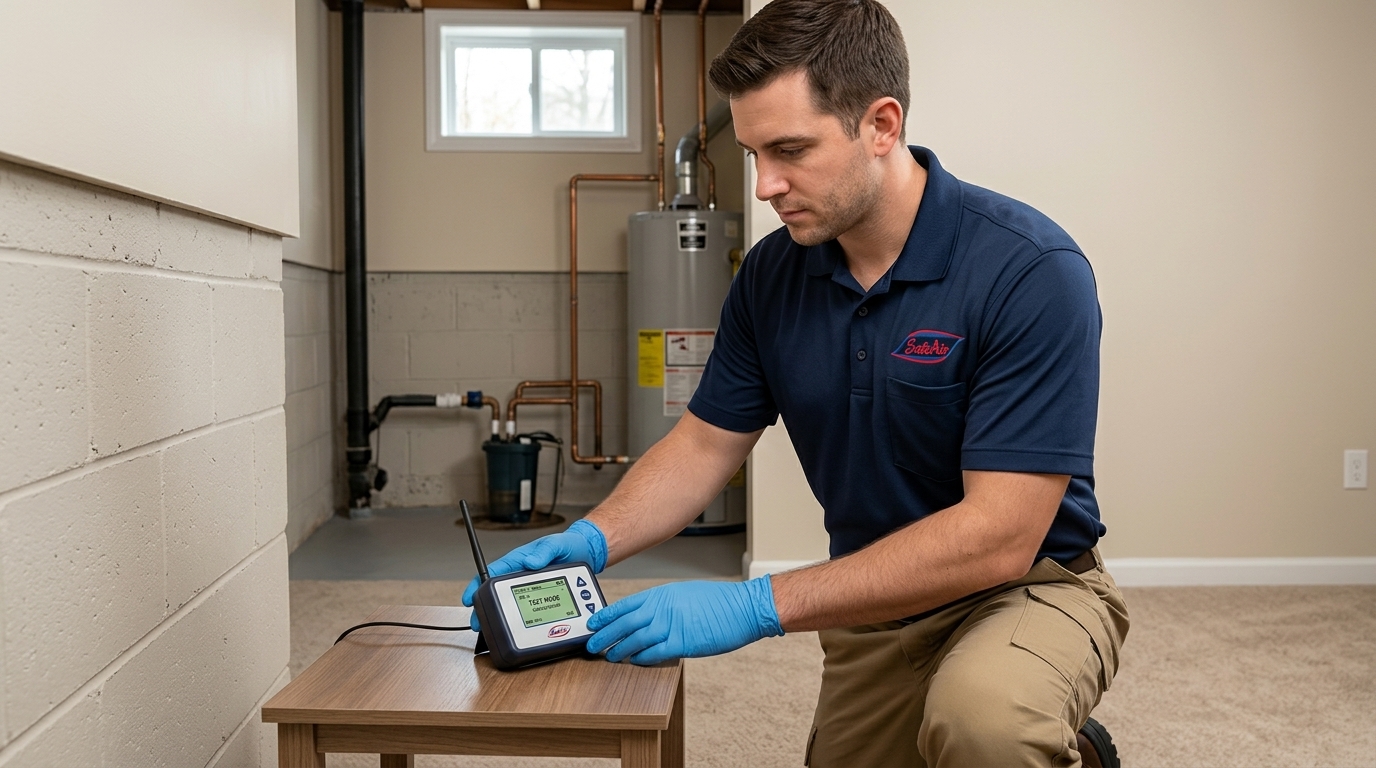
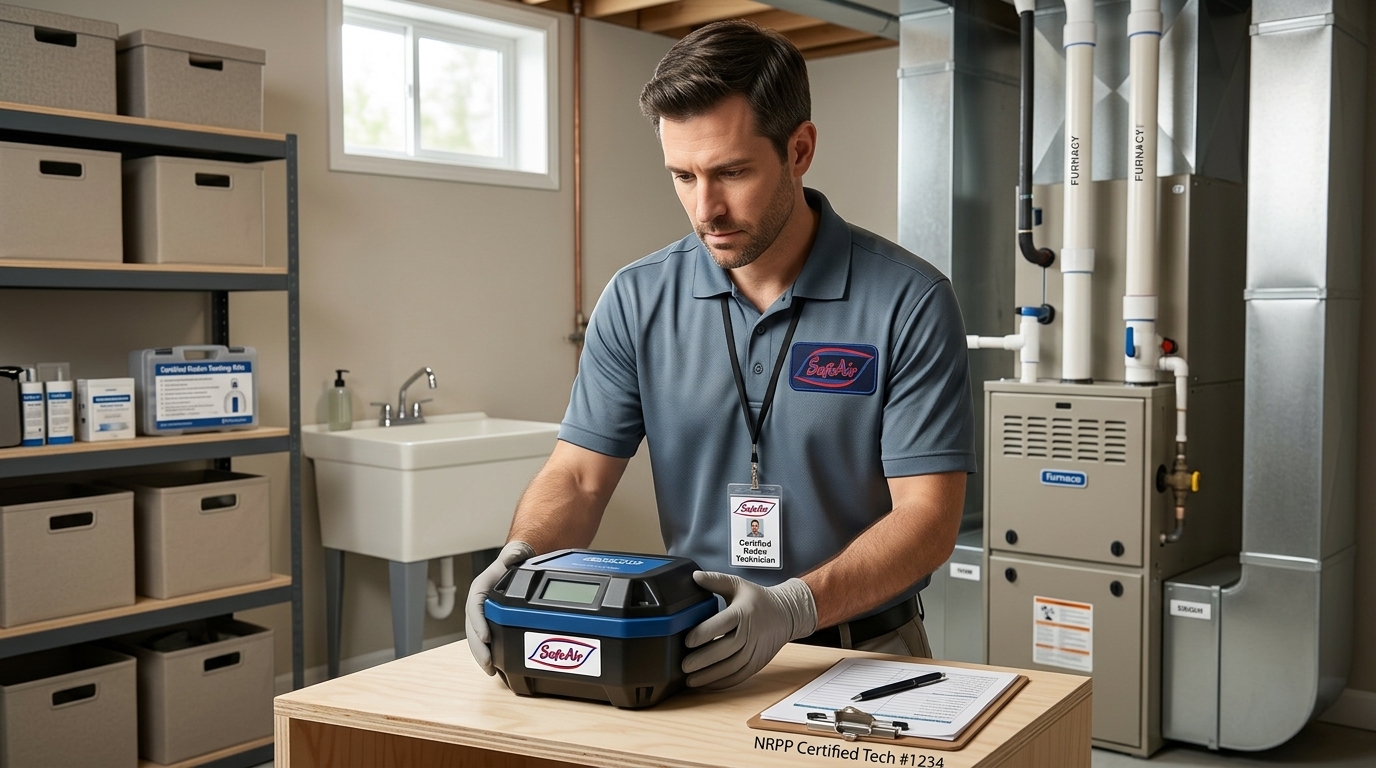
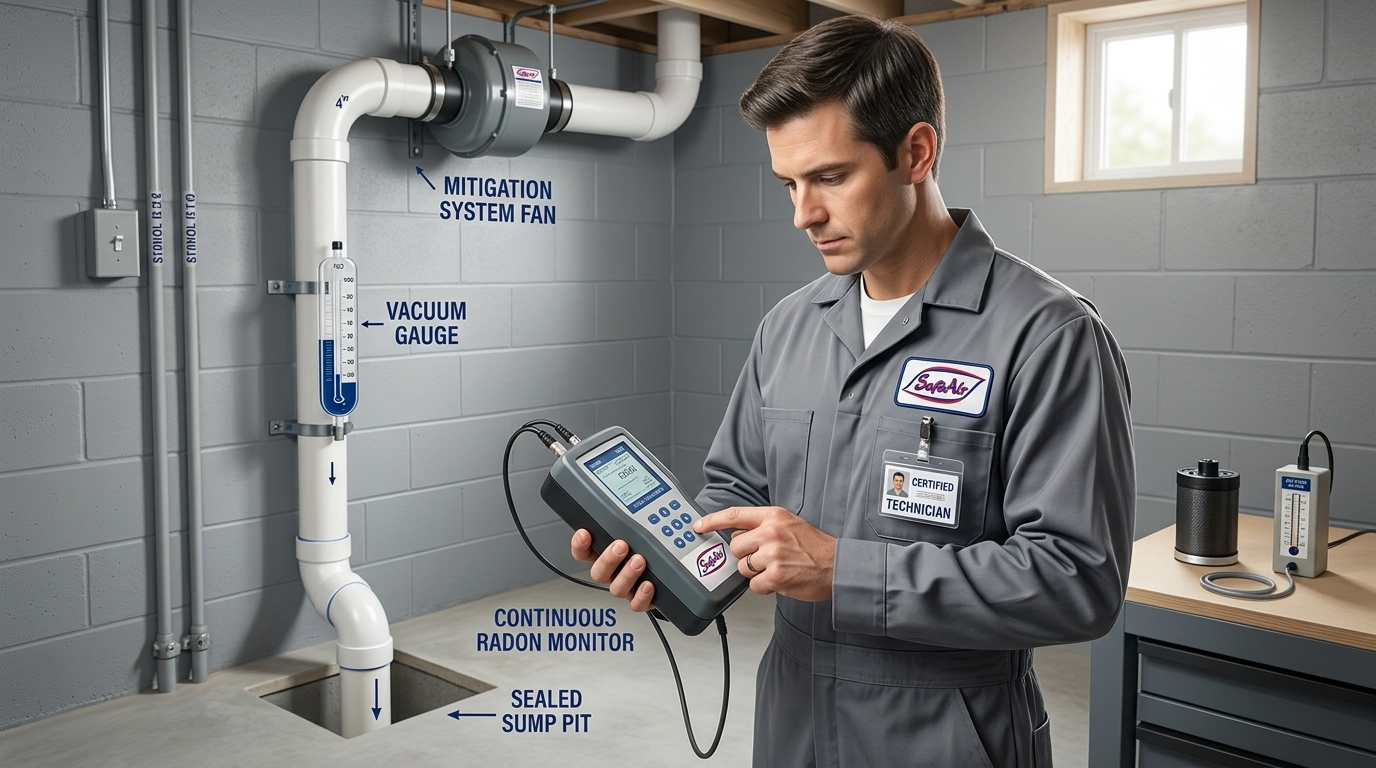
The EPA recommends retesting 24 hours after a mitigation system is installed and has stabilized at operating levels. A mitigation system that is not working correctly is an $800 to $2,500 investment that did not solve the problem. The only way to confirm the system is performing is to measure the result with a post-mitigation test.
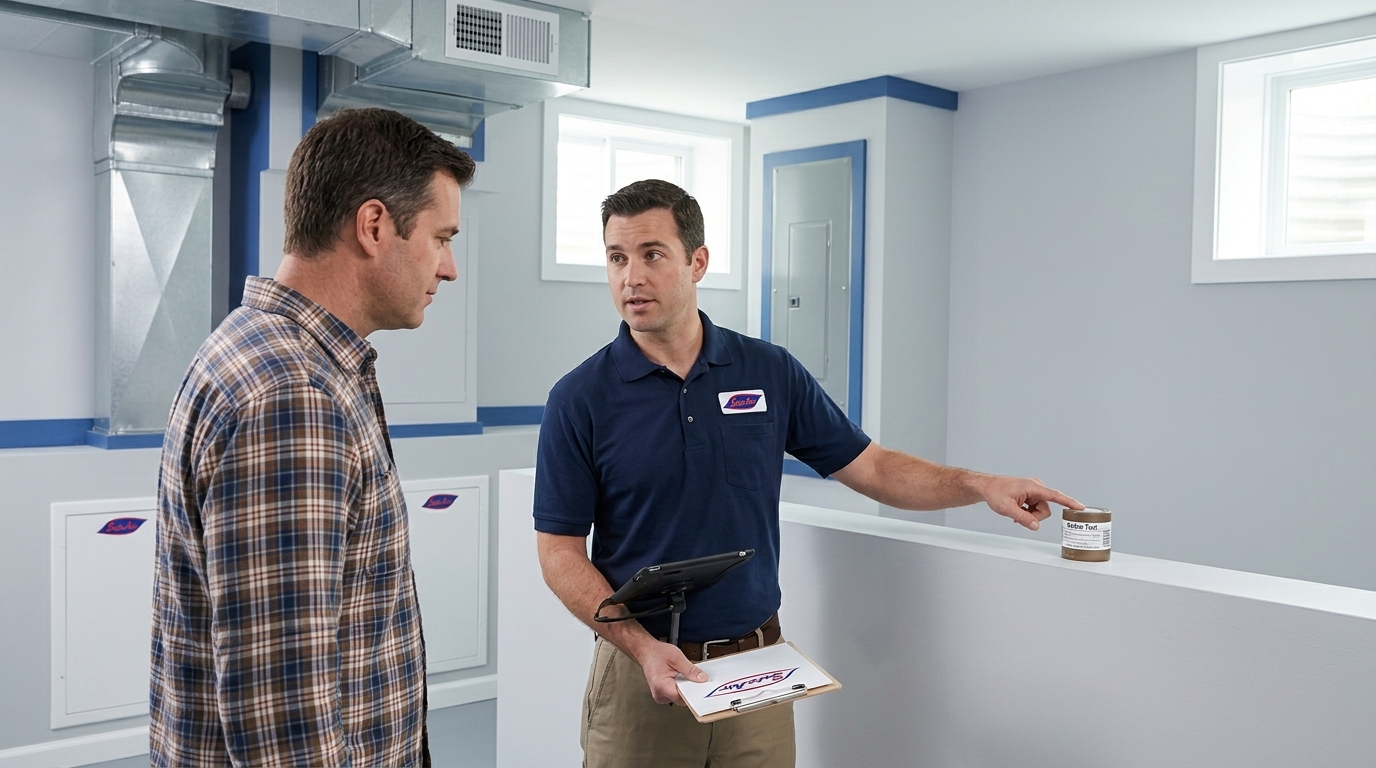
Use an independent tester for this step, one with no relationship to the company that installed the system. SafeAir’s post-mitigation verification service provides exactly that: an unbiased result you can trust.
After the mitigation fan is replaced
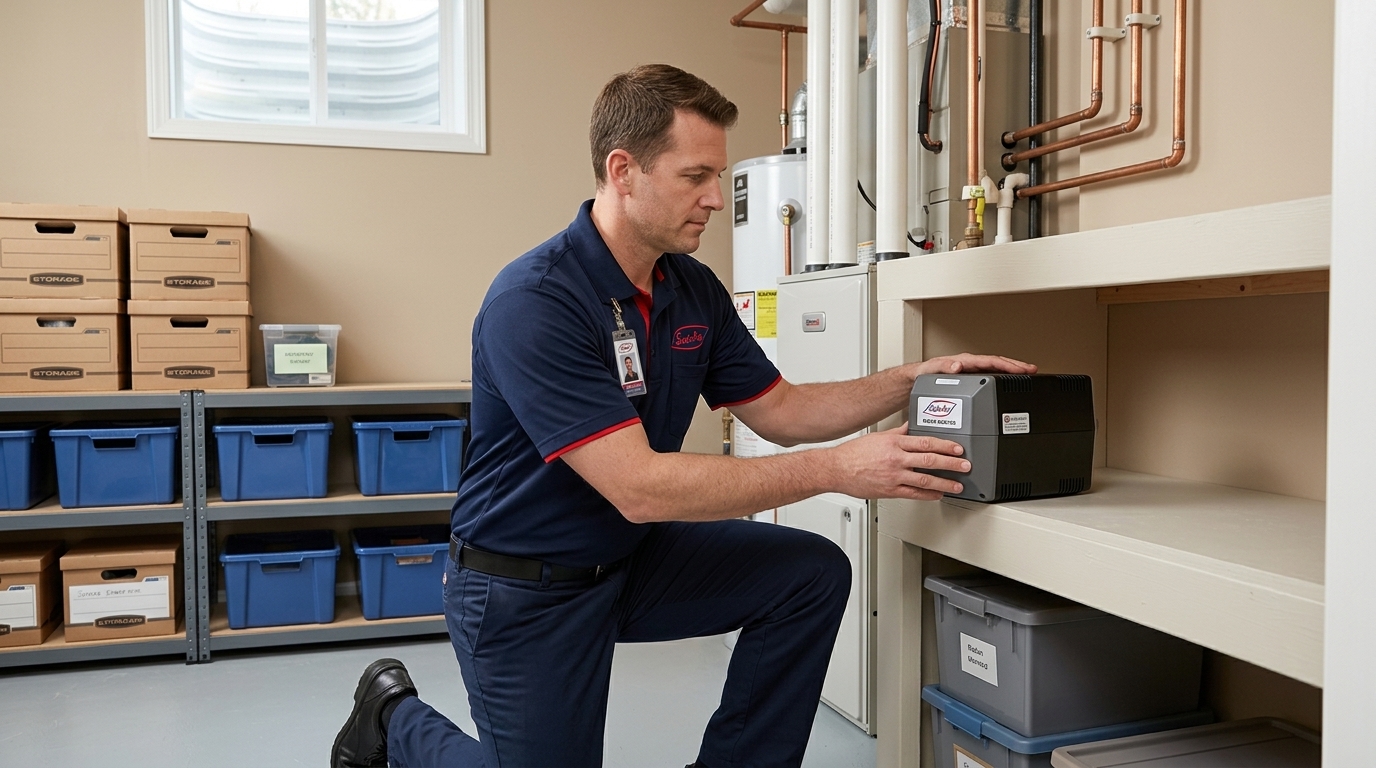
A fan replacement is functionally a new installation. The system draws radon using negative pressure, and a new fan changes that pressure dynamic. Treat a fan replacement the same as a fresh install and retest 24 hours after the new fan is running.
When buying a home, even if the seller has prior test results
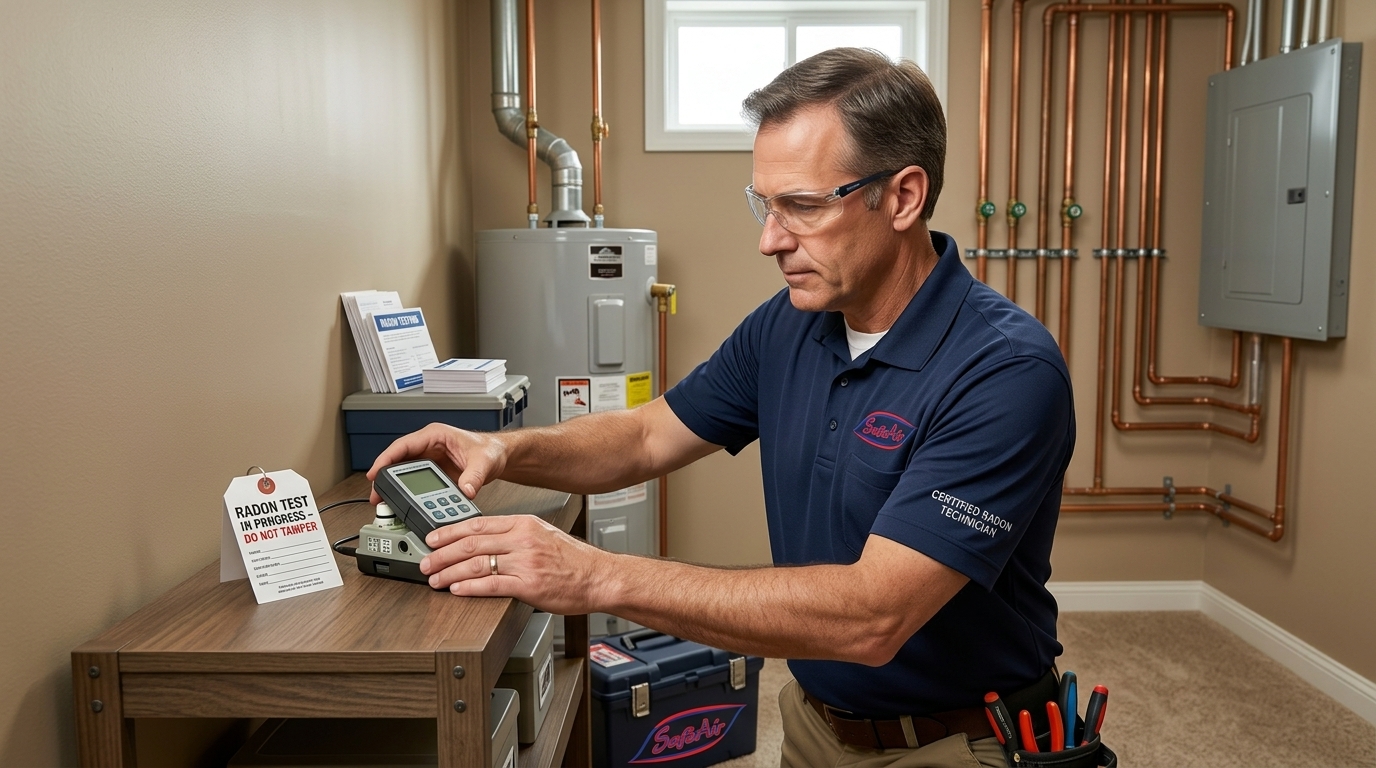
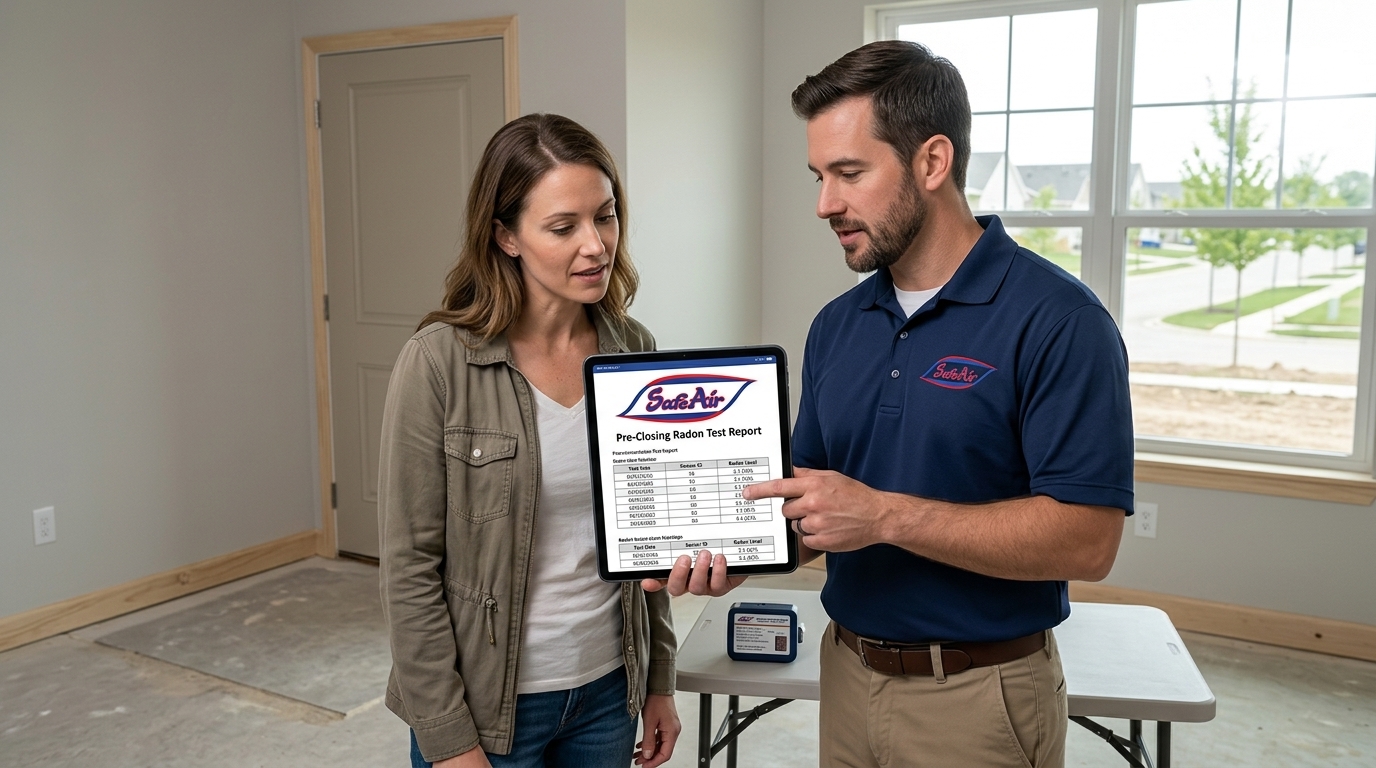
Seller-provided test results are not reliable for the buyer. The test may have been conducted under different closed-house conditions, different HVAC settings, or a different season. It may also have been placed by someone with a financial interest in a specific outcome. Every buyer should have an independent, certified test placed by their own inspector or testing company.
When the EPA Recommends Retesting
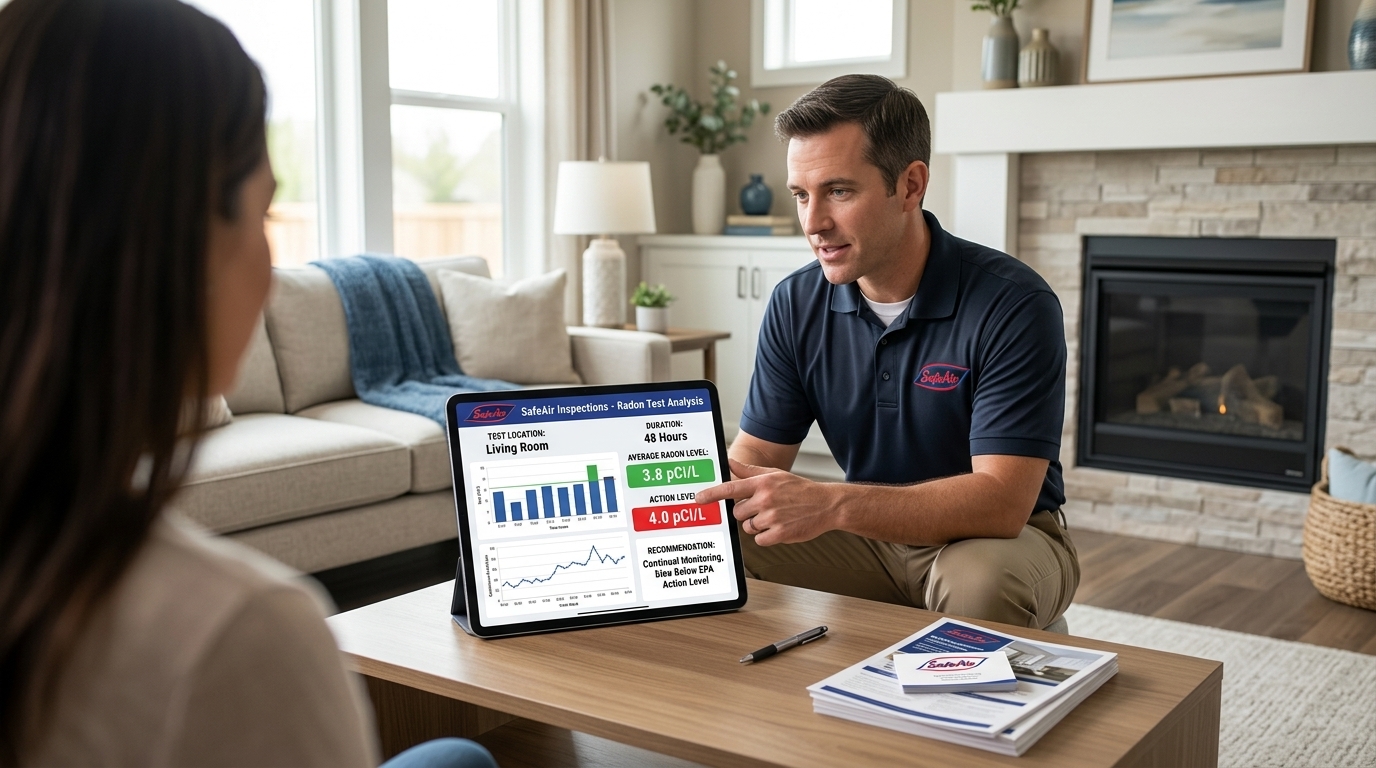
These scenarios fall under EPA guidance rather than legal requirements. That said, the EPA’s Citizens Guide to Radon is grounded in decades of research, and these recommendations exist for good reason.
Every 2 years
The EPA recommends retesting every 2 years in two situations:
- Homes with a mitigation system in place (to confirm the system is still performing)
- Homes that previously tested below the action level (because radon levels can change over time)
A two-year cycle is a reasonable interval to catch any meaningful shift before it becomes a long-term exposure problem. For a full breakdown of testing frequency, see our guide on how often to test for radon.
After major renovation
Any work that opens, disturbs, or changes the lower structure of a home can affect radon entry pathways. Specific work that warrants retesting includes:
- Foundation or basement slab work (new cracks, penetrations, or a sump installation)
- Crawlspace changes (encapsulation, new venting, soil disturbance)
- HVAC system changes (new equipment, major ductwork modifications, whole-house ventilation additions)
- Basement finishing or conversion to a living area
After structural changes to the home
Adding a basement, converting a crawlspace to a living area, or adding a sump pump all alter the relationship between your home and the soil beneath it. Each of these changes can create new entry points or change the pressure differential that drives radon into the structure. Retest after any of these changes are complete and settled.
Other Situations That Warrant a Retest
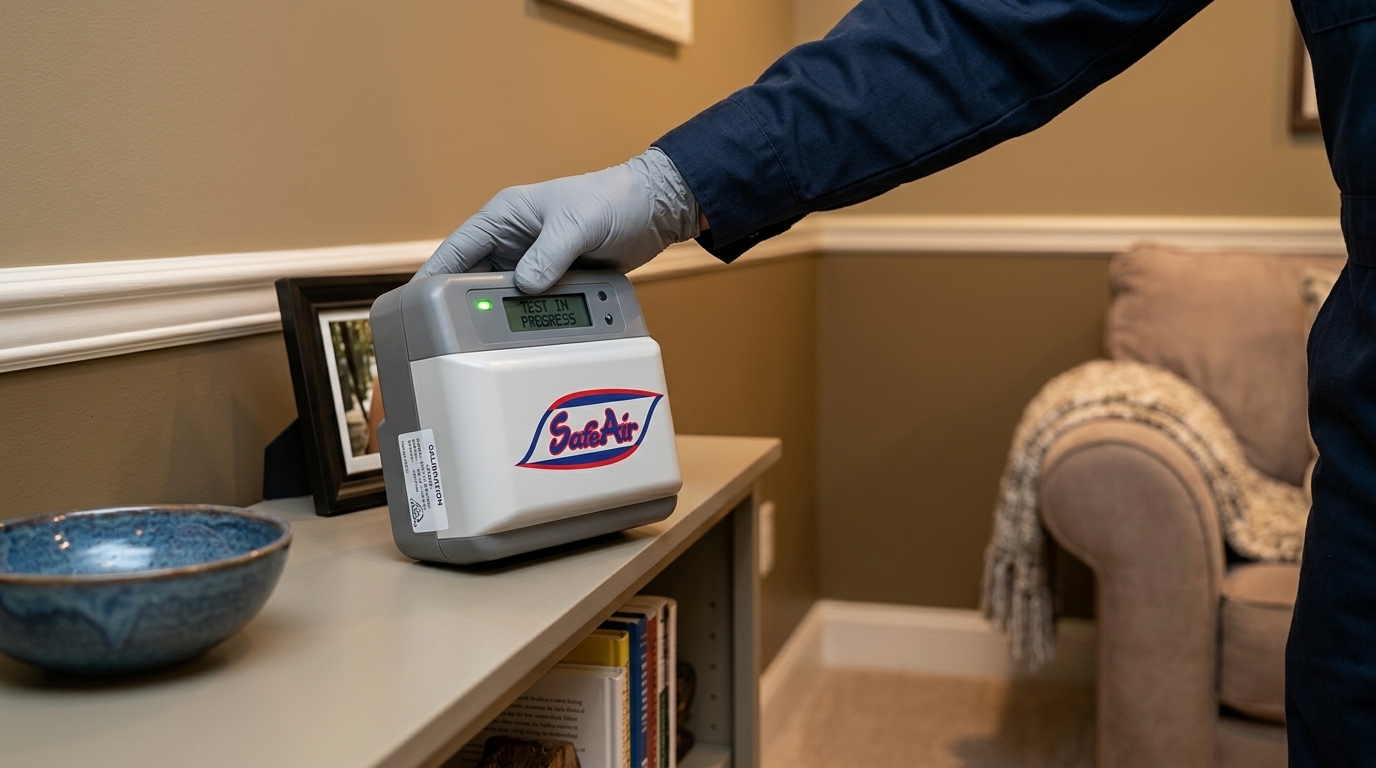
These situations are not as clear-cut as the ones above, but they are still valid reasons to schedule a new test.
You are a new homeowner with existing test results
A prior test result reflects a specific time, specific conditions, and someone else’s testing protocol. As the new owner, you have no way to verify any of those variables. Testing again gives you your own baseline, one that you placed, under conditions you control, at a time you chose.
The home was vacant or the HVAC was off for an extended period
If the home sat empty during a renovation, a seasonal vacancy, or a rental gap, the normal pressure and airflow patterns inside the structure changed. A retest after returning to normal occupancy gives you an accurate reading under the conditions you are actually living in.
Your only existing result came from a DIY kit
DIY test kits can produce valid results when used correctly. However, a result from a certified professional is the one that holds up if you ever sell, refinance, or need documentation for insurance or legal purposes. If your only radon result is from a kit you placed yourself, consider getting a certified professional test as a second data point.
You have noticed significant variation between rooms or floors
If you have added living space to a lower floor, or if different areas of your home have felt inconsistent, a multi-point professional test gives a more accurate picture than a single-placement result.