Radon levels in a home are not constant. They fluctuate, sometimes significantly, based on season, weather patterns, and how the HVAC system is operating. A result from July is not the same as a result from January in the same home. If you received a test result and wonder whether the timing affected it, or if you are trying to decide when to schedule, this is what you need to know. Here is what drives the fluctuation and whether it changes anything about when or how you should test.
The Stack Effect, Why Radon Is Usually Higher in Winter
Radon levels are typically higher in winter due to the stack effect: warm interior air rises and escapes, creating negative pressure that draws soil gas (including radon) through the foundation. Homes are also more tightly closed in winter, reducing dilution from outdoor air.
Here is how it works. In cold weather, warm air inside a home rises and escapes through upper levels, attic penetrations, and gaps around roof structures. To replace the air that escapes upward, the home draws in air from below, including from the soil beneath the foundation. This process is called the stack effect, sometimes called the chimney effect.
That upward air movement creates a pressure difference: the inside of the home sits at lower pressure relative to the soil beneath it. Negative pressure pulls soil gas upward through foundation cracks, slab penetrations, utility openings, and crawlspace vents. Radon, a naturally occurring gas produced by uranium decay in the soil, gets carried along with that soil gas.
The result is that radon concentrations in a home tend to rise during winter months. Two things are happening at once: the stack effect is strongest when the temperature difference between indoors and outdoors is greatest, and homes are more tightly closed, which limits the dilution that would come from outdoor air moving through the house.
Summer in Georgia adds a wrinkle. In northern states, the summer pattern is straightforward: windows open, more ventilation, radon dilutes, and concentrations drop. In Georgia, homes are sealed tight from spring through early fall with the air conditioning running. The seasonal radon story here is more complicated than a simple winter-high, summer-low pattern.
How HVAC Systems Affect Radon Levels
HVAC systems affect the pressure balance inside a home. Depending on how the system is configured, they can increase or decrease radon concentrations significantly. This is one of the least-understood factors in radon testing, and it matters.
Return air imbalances. If a home’s ductwork pulls more return air than it supplies to living areas, the HVAC system creates negative pressure inside the home. That negative pressure pulls soil gas in through foundation openings, including radon. A supply and return system that is well-balanced maintains neutral pressure relative to the outside, which minimizes radon entry driven by HVAC-related pressure differences.
Homes with older, poorly designed, or modified ductwork often have significant pressure imbalances that are not visible to the homeowner. If your system has been replaced, extended, or significantly adjusted, the pressure dynamics may have changed since your last radon test.
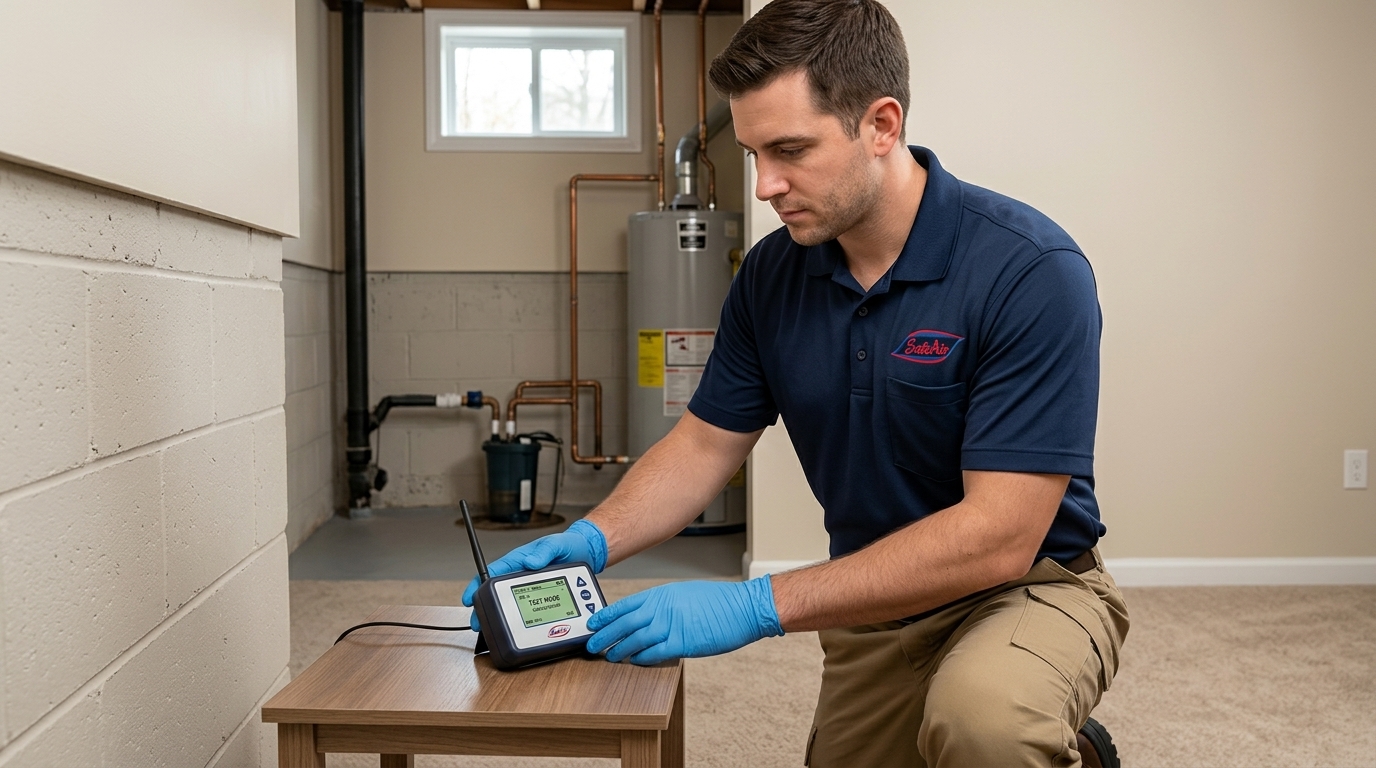
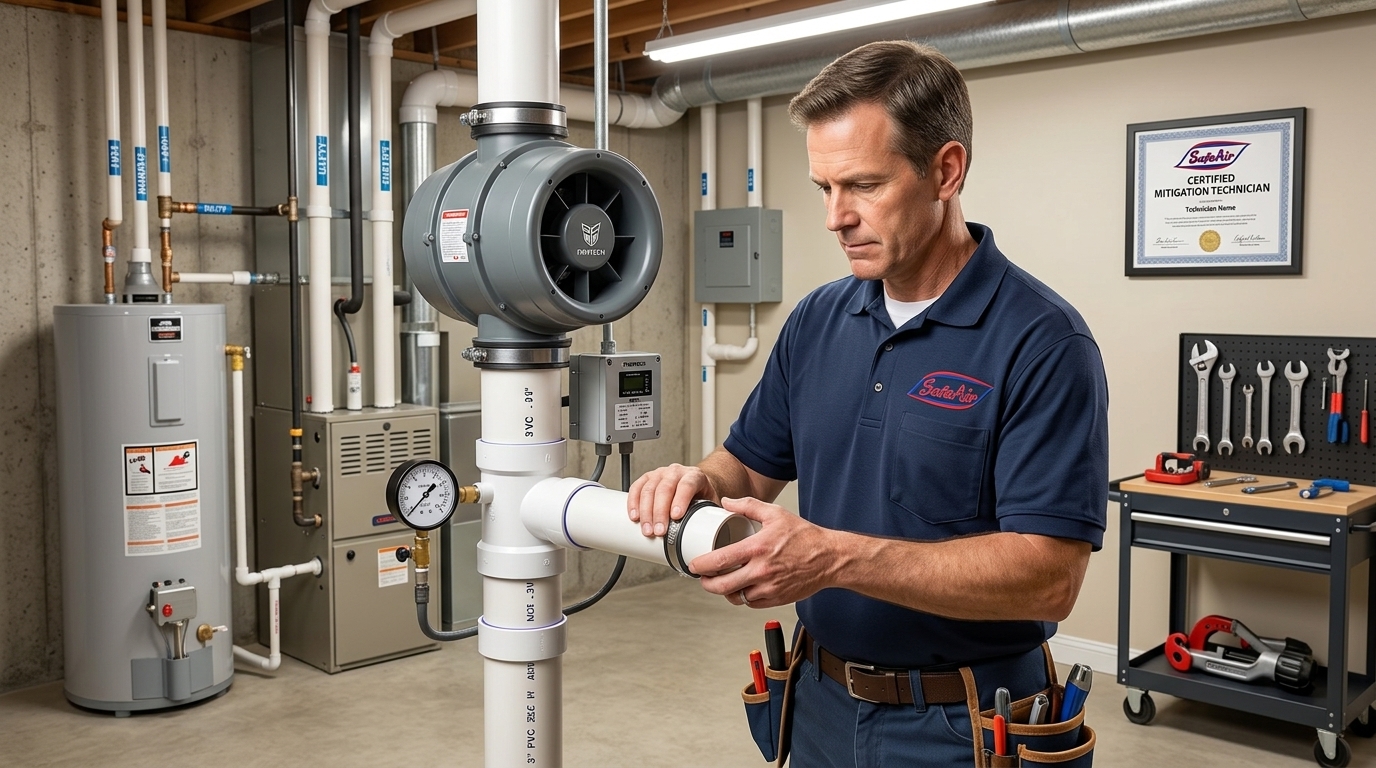
Whole-house fans and attic fans. These create strong negative pressure inside the home by pulling air from every opening, including openings in the foundation and floor. Running a whole-house fan is one of the most effective ways to increase indoor radon concentration quickly. This is exactly why whole-house fans must not be operated during a radon test. The test protocol requires them to remain off for the duration of closed-house conditions.
Air sealing and newer construction. Modern homes built to current energy efficiency codes are often more tightly air-sealed than older construction. Tighter homes have less natural air exchange with the outdoors. Less air exchange means the radon entering the home is diluted less by outdoor air. A tight, well-sealed home is not necessarily a higher-radon home, but the relationship between air sealing and indoor radon concentration is real and worth understanding.
Practical takeaway: if your HVAC system has been modified, replaced, or significantly adjusted since your last radon test, retesting is a good idea. HVAC changes affect indoor pressure balance and can change your radon level.
Georgia’s Climate, Why It Is Not a Simple Seasonal Story
In northern states, the seasonal radon pattern is relatively predictable. Windows close in winter, radon concentrations rise. Windows open in summer, radon drops. Georgia’s climate does not follow that pattern cleanly.
Georgia’s cooling season runs roughly from late spring through early fall, longer than most of the country. During those months, homes are sealed with the air conditioning running full time. The indoor air exchange conditions during Georgia’s long cooling season are similar to winter conditions in colder climates: tight, mechanically conditioned, with limited outdoor air coming in. The result is that summer radon concentrations in a Georgia home may not be as low as you would expect compared to a home in a northern state.
Georgia’s actual winter months are relatively mild. The temperature differential that drives the stack effect is present, but it is generally less extreme than in the upper Midwest or Northeast. The stack effect still operates, but its relative intensity varies with how cold the weather actually gets.
Spring and fall are Georgia’s most temperate seasons. Residents open windows, run less HVAC, and allow more natural ventilation through the home. These are typically the periods when indoor radon concentrations are at their lowest in Georgia homes.
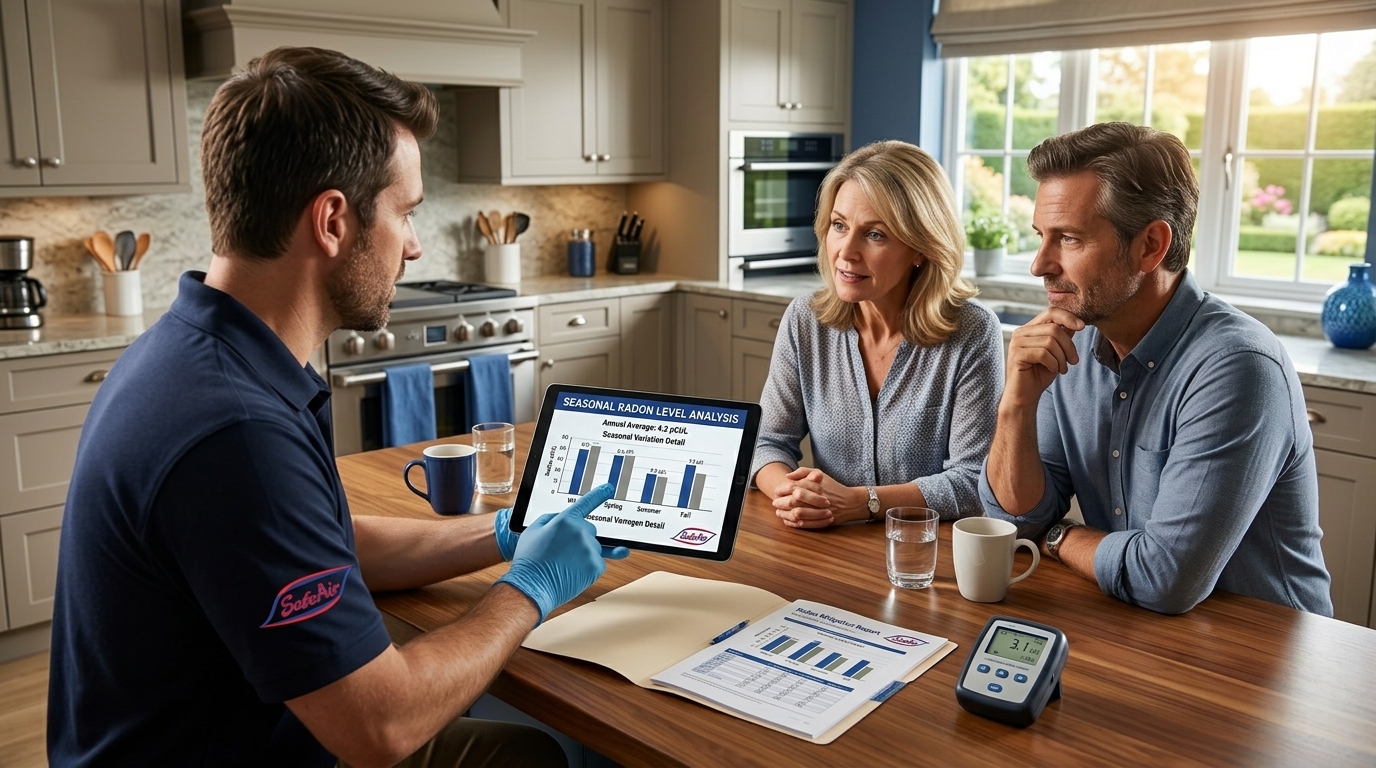
The bottom line: any season in Georgia can produce a valid radon test result. The certified test protocol controls for most of the seasonal variation by requiring consistent closed-house conditions before and during the test.
When Is the Best Time to Test for Radon in Georgia?
The best time to test for radon in Georgia is whenever closed-house conditions can be maintained for 12 hours before testing. If you want a conservative reading, fall and winter, when homes are most tightly sealed, tend to produce the highest radon concentrations. Any certified test under normal occupancy conditions is valid.
A few scenarios worth distinguishing:
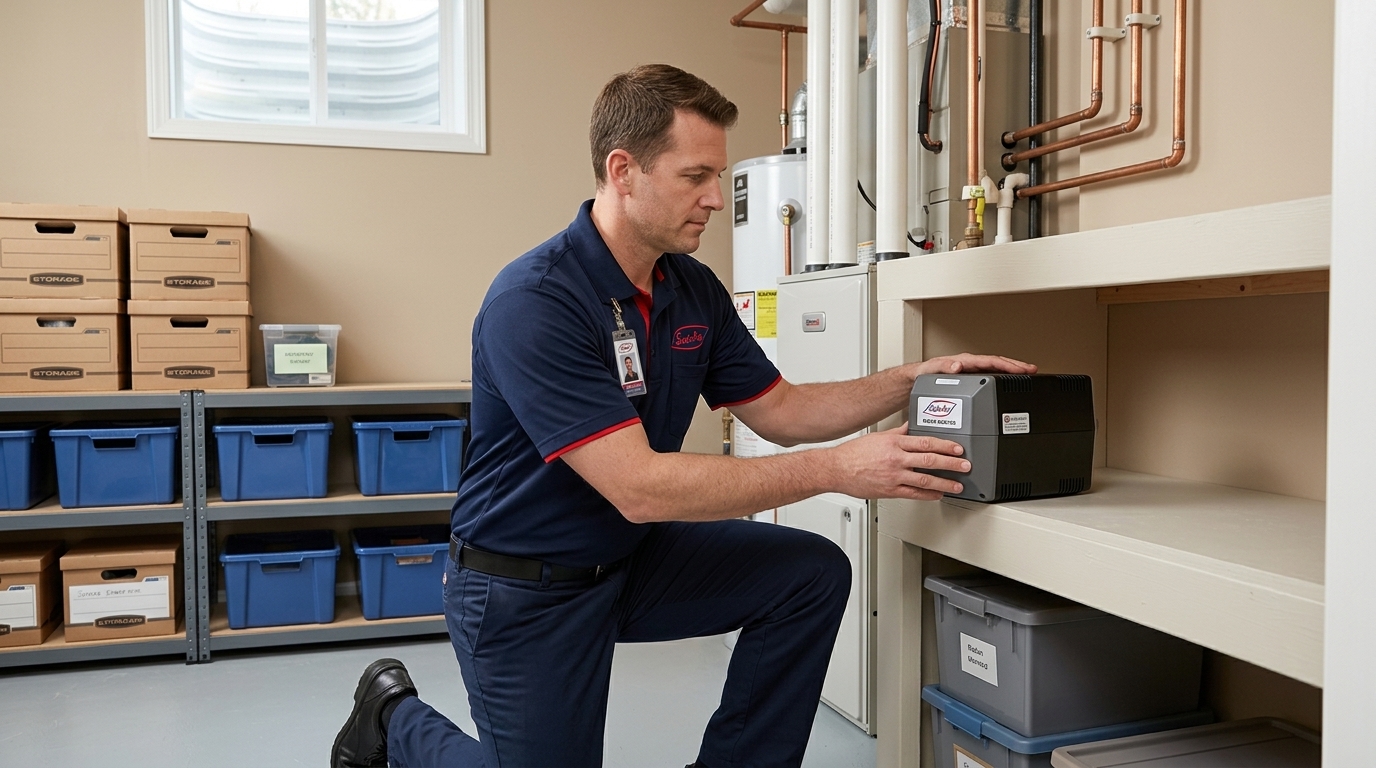
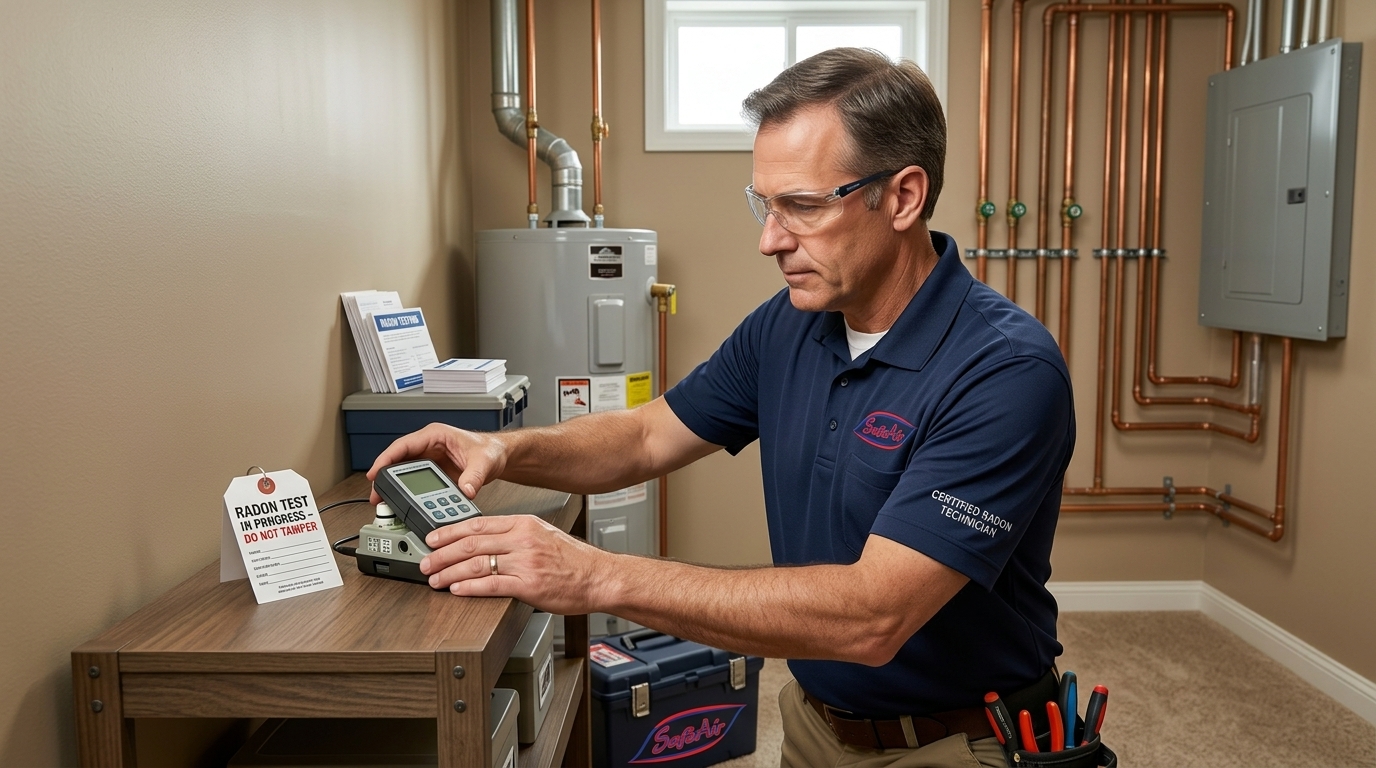
If you want a representative baseline. Test during any season when you are living in the home under normal conditions. The EPA’s approved short-term test protocol requires 12 hours of closed-house conditions before the test begins. When those conditions are met, the result is valid regardless of the month.
If you want a conservative reading. Test during fall or winter. Homes are more tightly sealed, the stack effect is operating, and HVAC is running under heating conditions. A result that comes in below the EPA action level of 4.0 pCi/L during winter conditions is strong evidence that the home is within acceptable range year-round. Learn more about how the test works and what the timeline looks like.
If you are testing for a real estate transaction. Test when the inspection window allows. Do not delay in search of a better season. The protocol controls for most variability, and the result is what matters for the transaction. For more on how to test for radon at home, including what to expect, see our full guide.
What to avoid regardless of season. Do not test during an extended vacancy, an active renovation, or any period when the home’s ventilation patterns are unusual. These conditions produce results that are not representative of normal occupancy.
Does My Test Result Reflect My Home’s Year-Round Radon Level?
This is a fair question, and the honest answer is: partly, but not completely.
A short-term radon test (typically 48 to 96 hours) reflects the conditions during that specific test period. It is not a permanent year-round average. What the protocol controls for is comparability: when every test is conducted under the same closed-house conditions, results from different homes and different seasons are comparable on a consistent basis.
If you tested in summer and the result concerns you, a fall or winter test in the same home under identical protocol conditions gives you a second data point. You can also find more detail on when retesting makes sense.
If you want a result that averages across a longer period, a long-term test running 90 days or more captures multiple weeks in the same season and averages out short-term fluctuations. It takes significantly longer but produces a more stable result.
For most homeowners, a short-term test conducted properly under closed-house conditions gives you a reliable and actionable number. If the result comes in well below the action level, seasonal fluctuation is unlikely to push it above 4.0 pCi/L under normal living conditions. For broader context on indoor air quality factors in Georgia homes, including how radon fits alongside other concerns, see our homeowner guide.
Frequently Asked Questions
Is radon worse in winter or summer?
Radon concentrations are typically higher in winter for two reasons: the stack effect creates negative pressure that draws soil gas through the foundation, and tighter home sealing reduces natural ventilation from outdoor air. In Georgia’s long cooling season, summer results can also be elevated because homes stay sealed with the air conditioning running. The difference between seasons in a given home varies. A certified test conducted under proper closed-house conditions produces a valid result year-round. The EPA Citizens Guide to Radon covers this topic in additional depth.
Should I retest for radon if my first test was done in summer?
A summer test conducted under proper closed-house conditions is valid. A fall or winter test in the same home may show a somewhat higher concentration due to the stack effect and tighter sealing. For most homeowners, a summer result below 4.0 pCi/L is sufficient. Seasonal fluctuation is unlikely to push a well-below-threshold result above the action level. Retesting seasonally is not necessary unless conditions in the home have changed, such as HVAC replacement, major air sealing work, or a basement renovation.
Test When You’re Ready, The Protocol Does the Rest
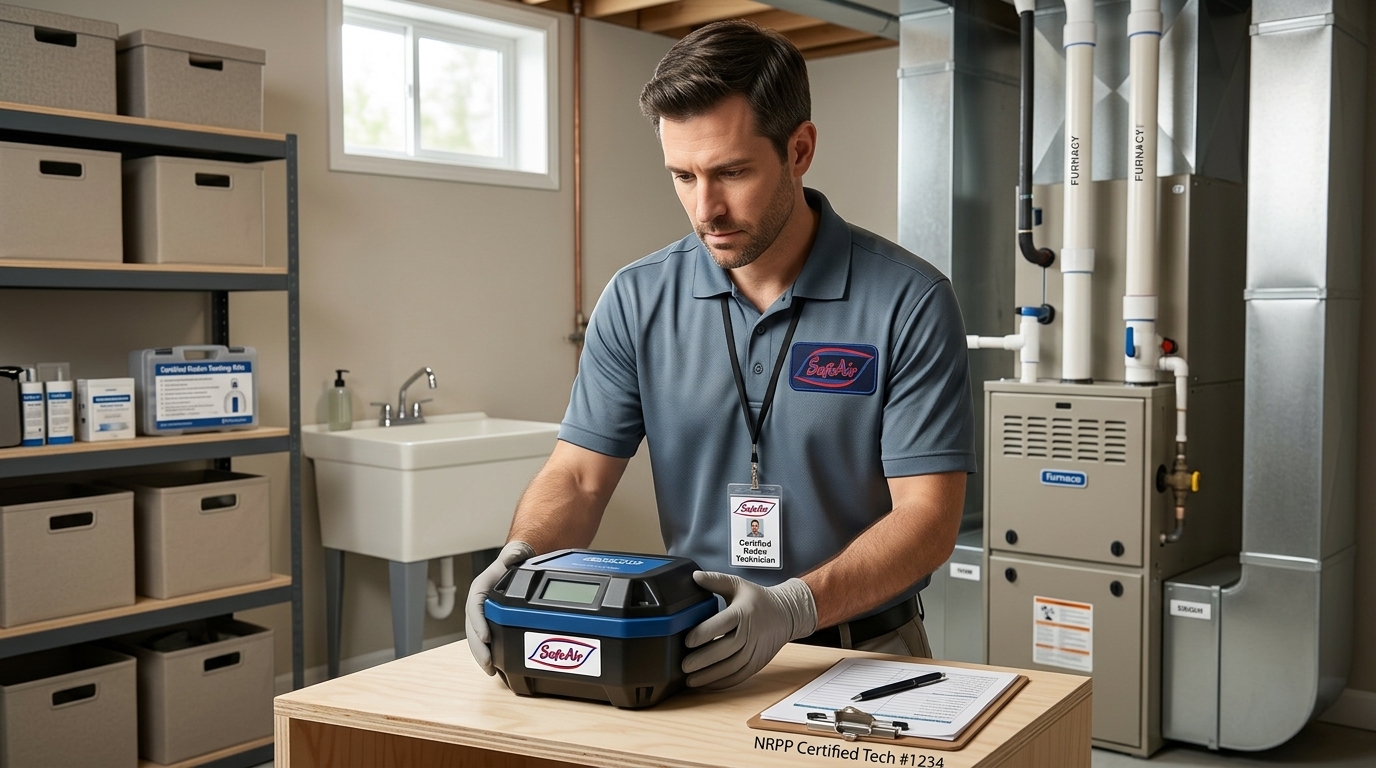
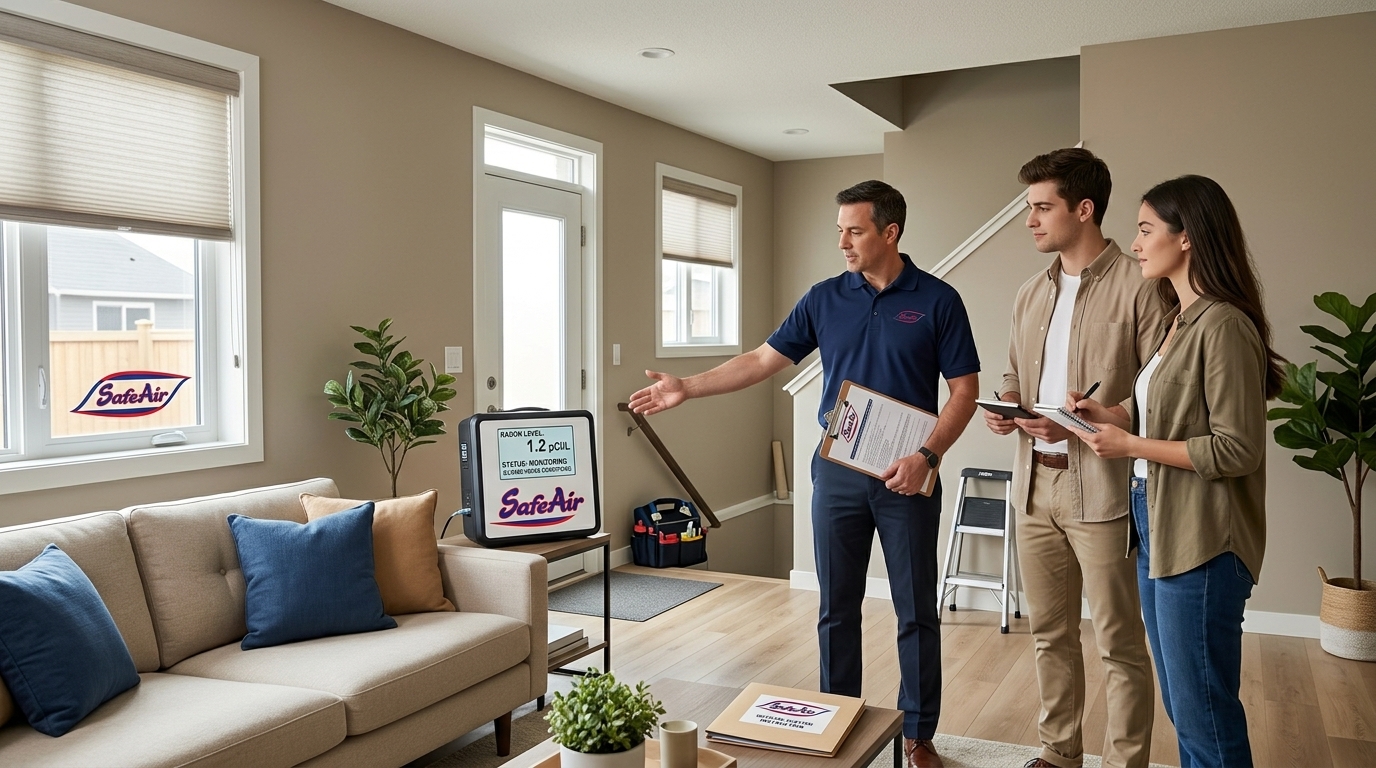
SafeAir’s certified radon test is conducted under EPA-approved closed-house conditions. You do not need to time the season perfectly. When you’re ready, we schedule it.
Schedule Your Inspection
Same-day scheduling available. Results in 48-72 hours.
Written by Jeremy Shelton | ACAC CIEC, ACAC CMC, IICRC