
Hall County’s Radon Risk: The Blue Ridge Foothills Connection
Gainesville is the Hall County seat and sits at the gateway to the North Georgia mountains. The Blue Ridge geological province begins here. That is not just a scenic fact, it is a meaningful detail about radon risk.
The crystalline rock and granite formations characteristic of the Blue Ridge foothills contain naturally elevated concentrations of uranium. Uranium decays through a chain of elements and produces radon gas. Radon migrates upward through the soil and enters homes through cracks, gaps, and penetrations in the foundation.
Hall County’s radon risk reflects this geology directly. The county sits in an elevated radon zone, consistent with the pattern seen across North Georgia’s high-risk counties. The EPA radon zone map identifies elevated risk areas based on geology, soil type, and measurement data, Hall County falls within that elevated tier.
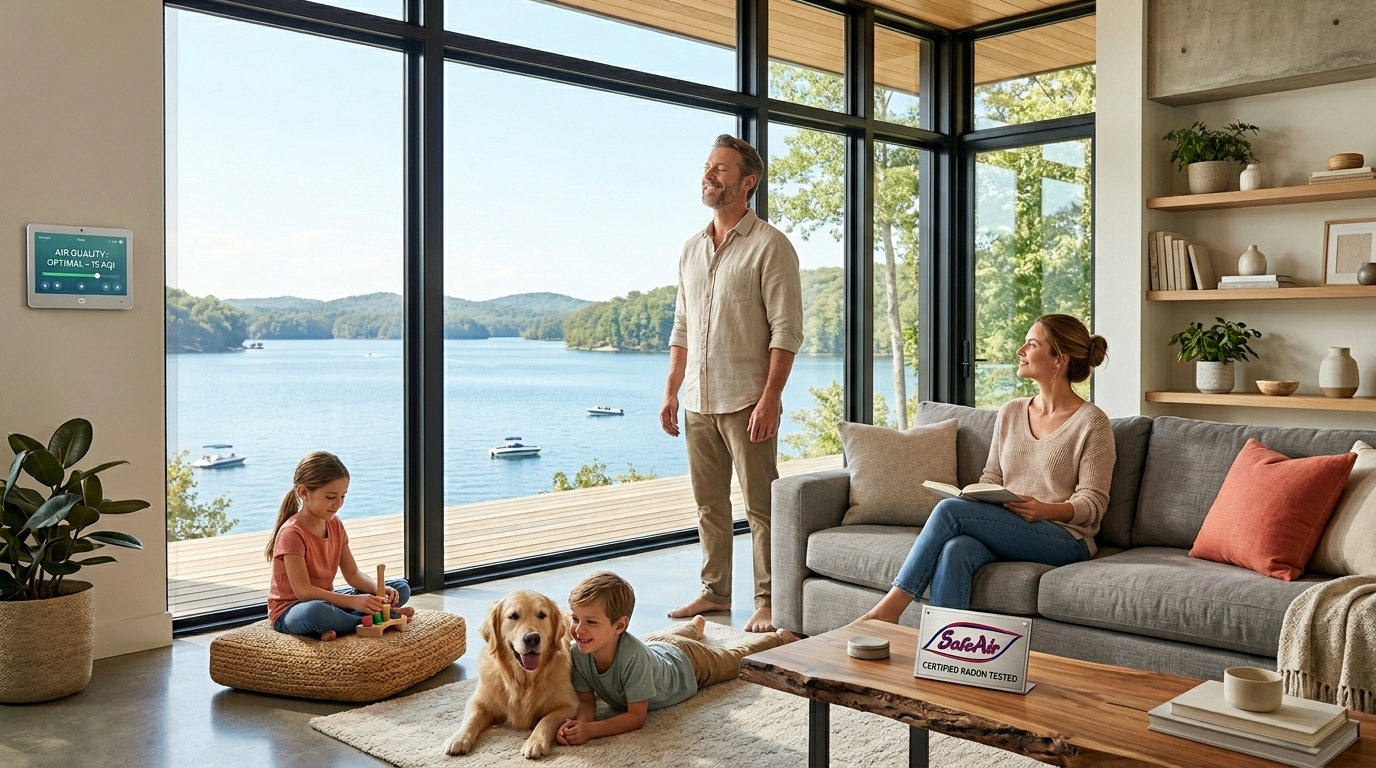
What this means for Lake Lanier properties specifically: the homes along the Lanier corridor sit on terrain that is geologically similar to the elevated-risk counties to the north and west. The lake itself does not affect radon risk in either direction. The rock and soil beneath the foundation does. That variable is the same whether the home overlooks the water or sits on a cul-de-sac in a subdivision three miles away.
Lake Property Buyers: Why Radon Testing Gets Skipped
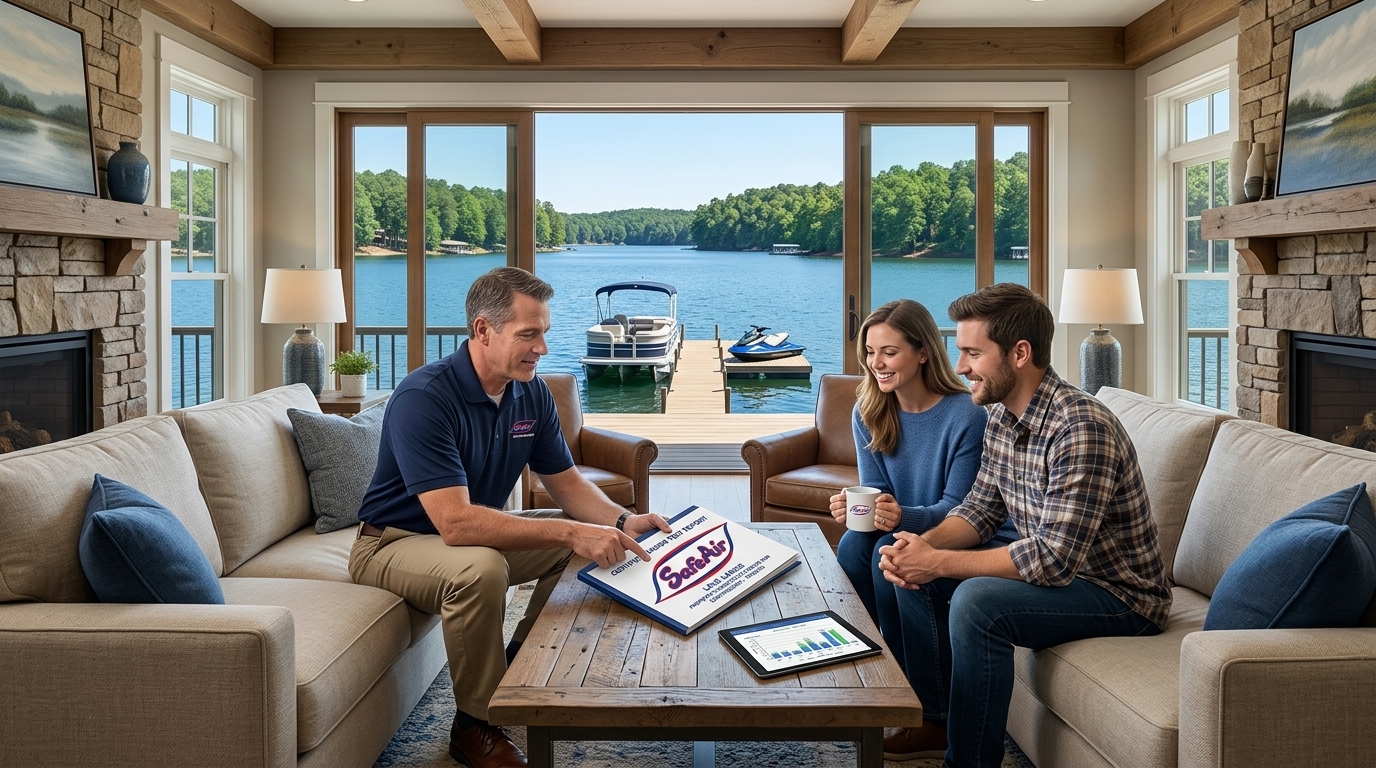
Lake property buyers are focused on features that make the property distinctive. Water frontage, dock condition, lot topography, well water quality, septic system capacity, these are the things that differentiate one lake property from another. Radon testing can get treated as an afterthought, or as something relevant to suburban houses rather than lake cottages.
That assumption is worth examining. The home’s foundation sits on the same soil and rock as any other home in Hall County. There is no protective effect from proximity to water. A home on the Lanier shoreline carries the same soil-driven radon exposure potential as a home on a subdivided lot in Gainesville.
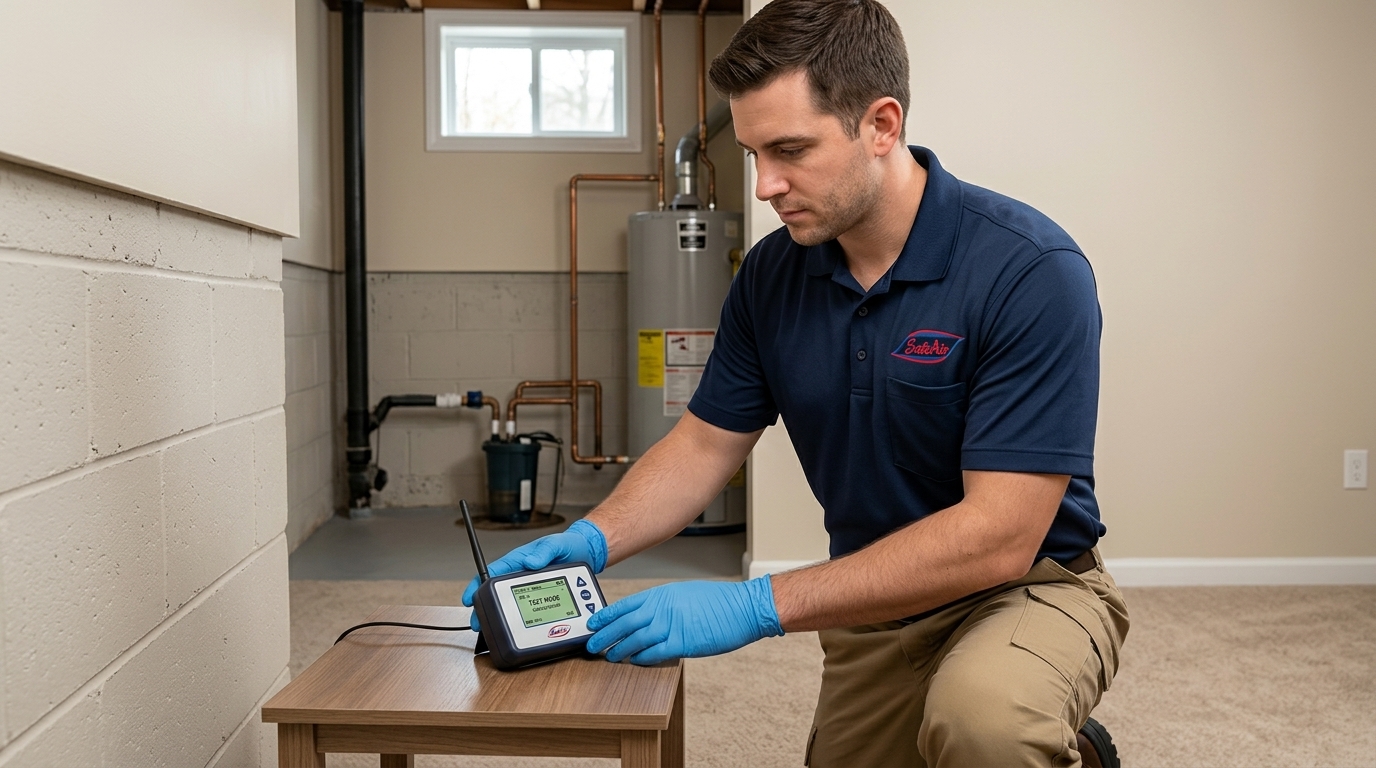
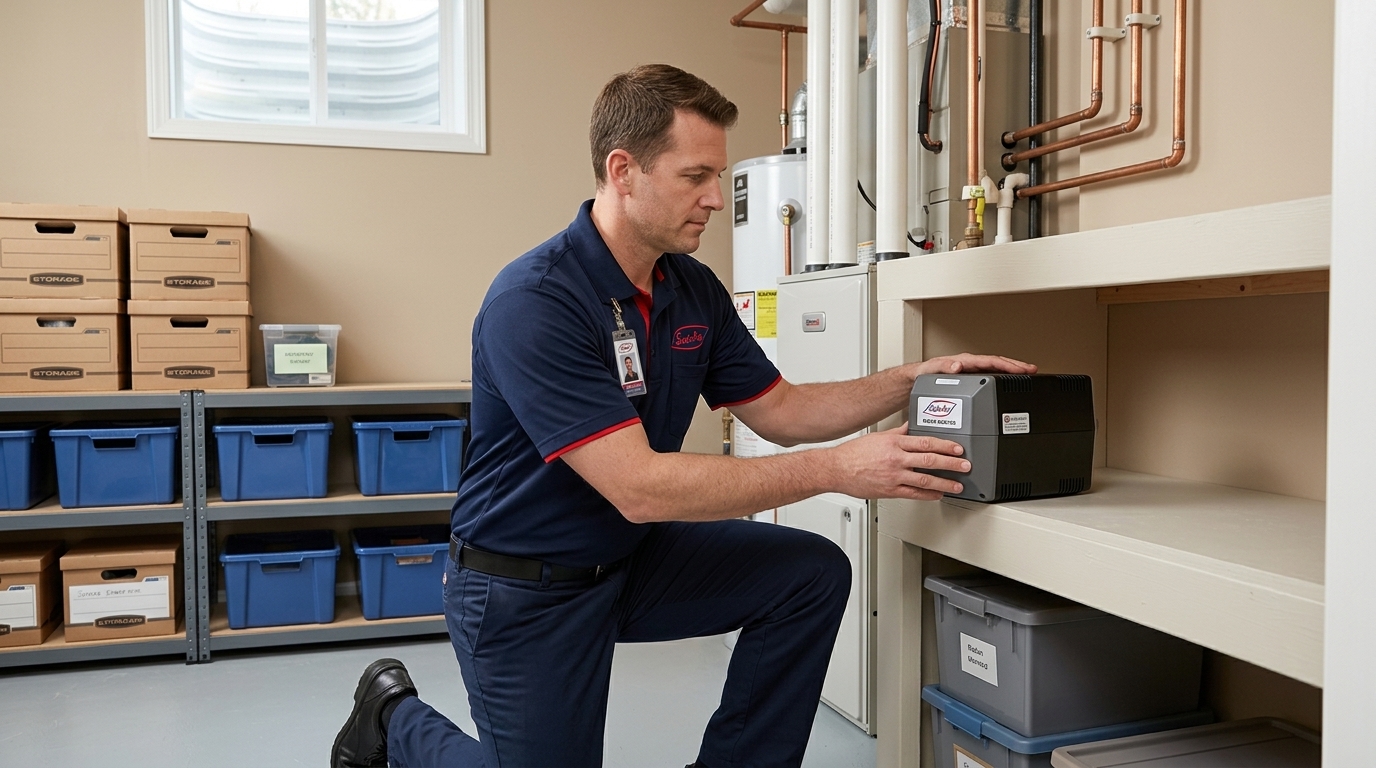
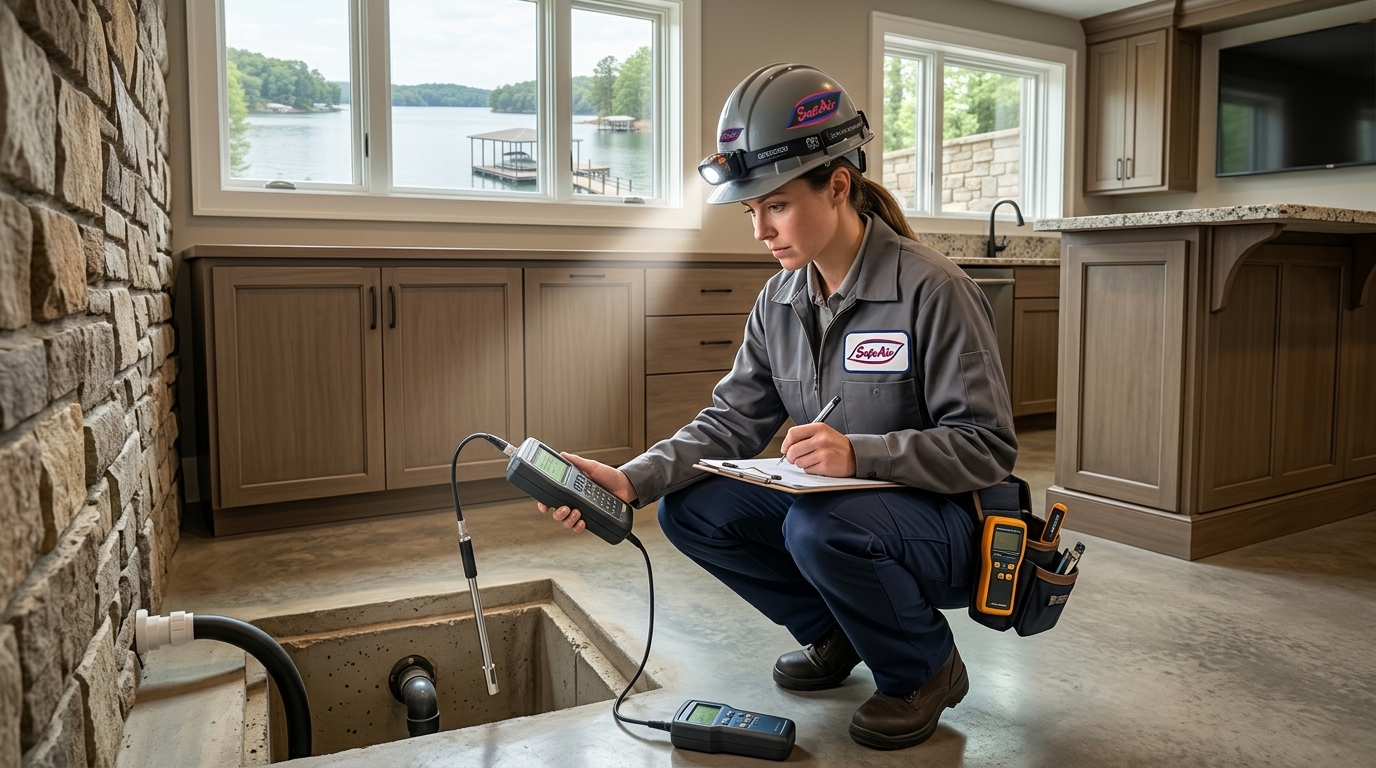
Lake properties also tend to have below-grade or lower-level spaces that are particularly relevant for radon. Lake-level rooms, basement storage areas, walk-out lower levels, and below-grade entertaining spaces are common in homes built to take advantage of sloped terrain near the water. Radon concentrations are typically highest in these lower areas of a home. These spaces deserve testing, not less attention.
For vacation homes and second properties: radon exposure accumulates over time. If a home is used regularly across many years, long-term exposure is a real consideration. A one-time certified test provides a definitive answer and removes any uncertainty about the home’s radon level. That is true whether the property is a primary residence or a seasonal lake retreat.
Primary Residences in the Gainesville and Suwanee Corridor
The corridor running from Gainesville south through Buford, Sugar Hill, and Suwanee along GA-400 and US-129 is one of North Georgia’s most active residential markets. The area has seen steady population growth over the past decade, with buyers relocating from metro Atlanta and from outside Georgia.
Long-time homeowners in Gainesville and Hall County should take note: many older homes in this area have never been tested for radon. These homes predate radon testing awareness and were built without radon-resistant construction features. A home that has been occupied for twenty or thirty years without a test is a home with an open question about indoor air quality.
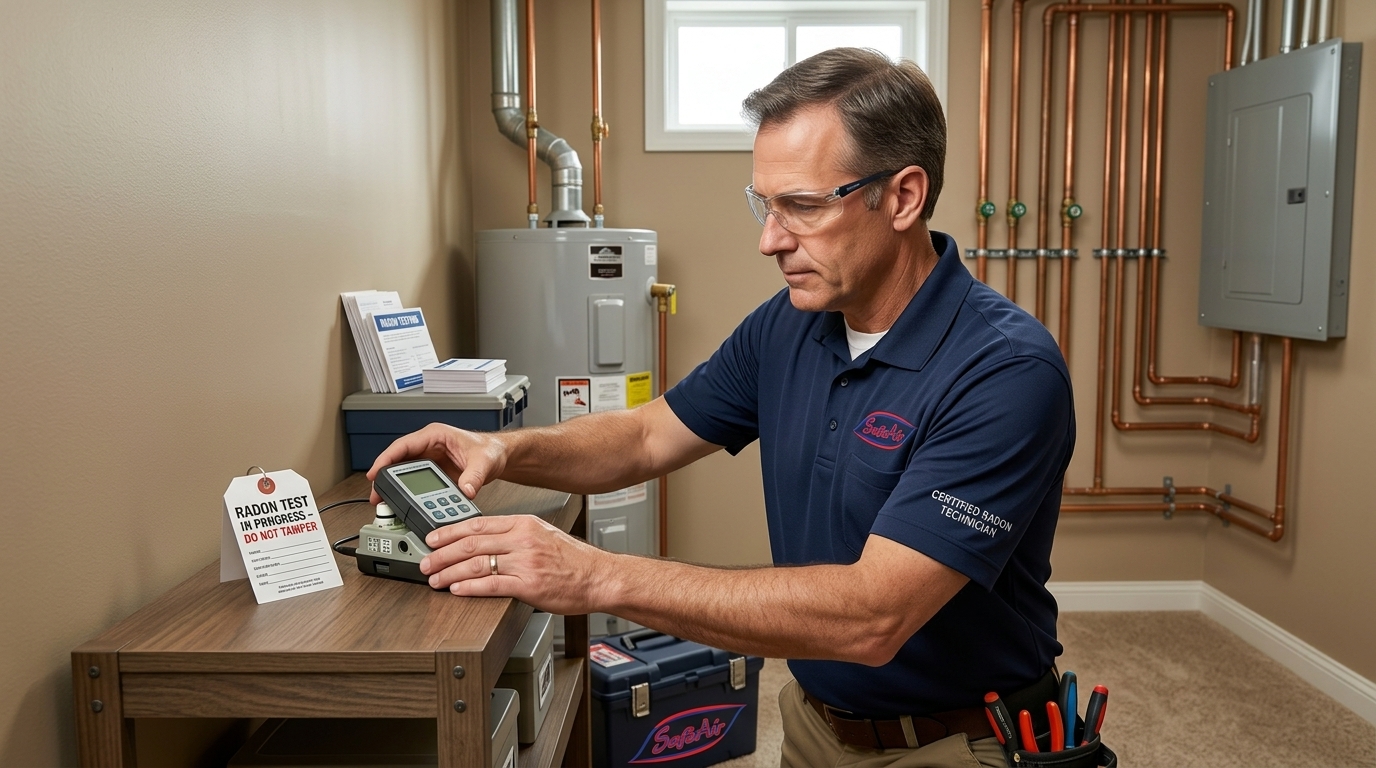
New construction in the area does not resolve that question automatically. The same foothills geology applies to a newly built home in Gainesville or Sugar Hill as to an older home on the same street. A new build may include some passive radon-resistant features, but those features do not guarantee low radon levels. Testing remains the only way to verify a specific home’s radon concentration.
Real estate agents active in the Lanier corridor are seeing radon testing requests increase as buyer awareness grows. Learn more about radon in Georgia homes and the testing process buyers and agents rely on. Independent certified testing is what agents need to fulfill their clients’ requests accurately and without conflicts of interest.