
ACAC COUNCIL-CERTIFIED · IICRC CERTIFIED · INDEPENDENT RADON TESTING SINCE 2009
MON–FRI 8AM–5PM
SafeAir
✆ Call (678) 460-6953 Request an Inspection
★★★★★ 5.0 · 156 reviews · ACAC & IICRC

Indoor Air Quality in Your Georgia Home: What to Test and Why Radon Comes First

Jeremy Shelton bought a house and within months had sinus congestion, chronic headaches, and fatigue his doctor couldn’t explain. He eventually found the cause in his crawlspace. He moved out. The symptoms cleared. He spent the next two decades making sure that doesn’t happen to someone else without them knowing why.

The thing that changed for Jeremy wasn’t what he found in the crawlspace. It was what he learned: the air inside a home can be significantly different from the air outside, and you can’t smell or see most of what makes it different.

This guide covers the main categories of indoor air quality concern in a Georgia home. It explains what each category involves, what Georgia’s climate adds to the picture, and why radon is the one test every Georgia homeowner should start with before anything else.

What “Indoor Air Quality” Actually Covers

Indoor air quality is a broad term. It gets used to describe everything from smoky kitchen air to HVAC mold to radon gas. For a Georgia homeowner trying to decide where to focus, it helps to sort the categories clearly.

Radon

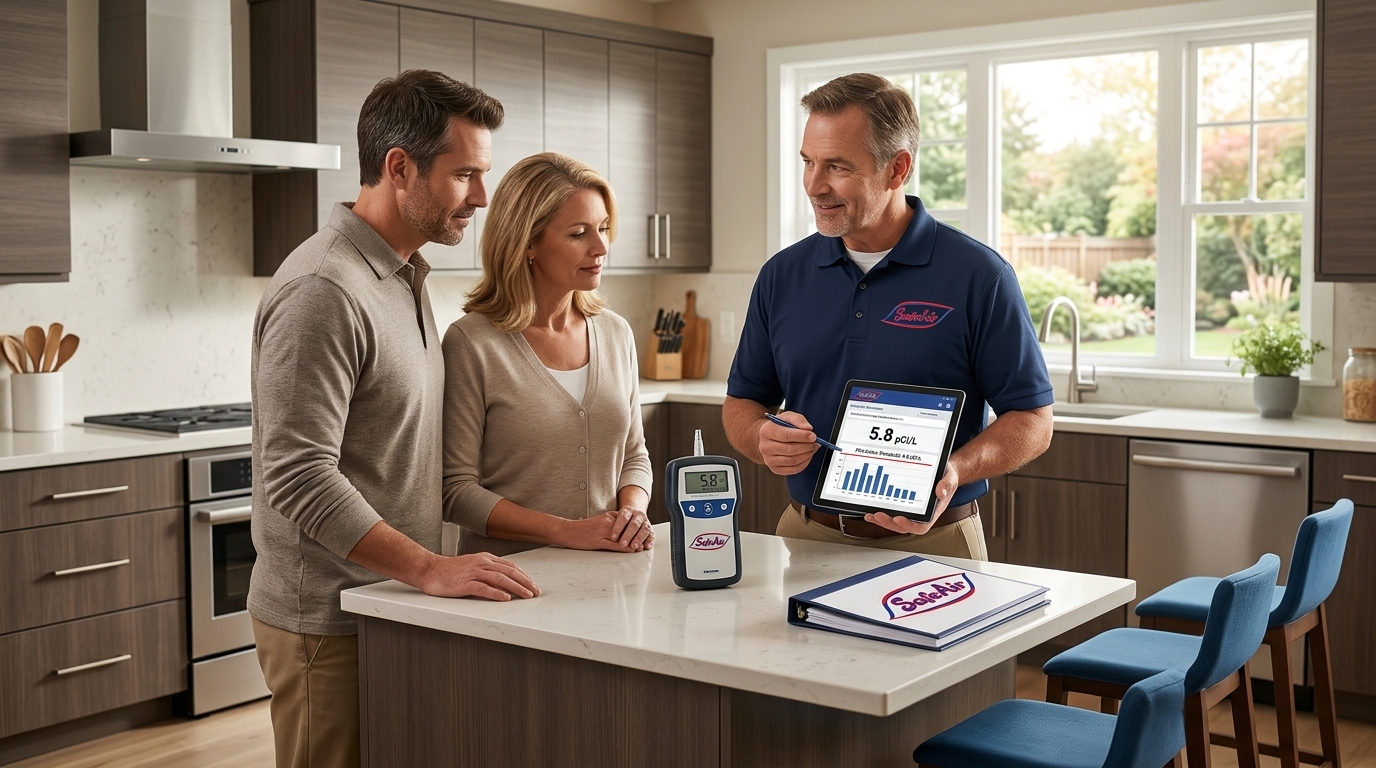
Radon is a radioactive gas produced by the natural decay of uranium in soil and rock. It enters homes through cracks and openings in the foundation. It is colorless, odorless, and tasteless. According to the U.S. Environmental Protection Agency radon is the second leading cause of lung cancer in the United States, responsible for approximately 21,000 deaths per year. The EPA has established a clear action threshold: 4.0 picocuries per liter (pCi/L) of air. There is a definitive test for it. There is a proven fix for it. This is where you start.

Carbon Monoxide (CO)

Carbon monoxide is produced by combustion appliances: gas furnaces, water heaters, gas stoves, and vehicles in attached garages. CO detectors are required in Georgia homes and provide passive, continuous protection. Unlike radon, CO causes acute poisoning, with symptoms that appear quickly and are traceable to the source. Georgia law mandates detectors. This is the acute IAQ risk, and passive protection is already the standard.

Volatile Organic Compounds (VOCs)

VOCs are gases released from building materials, paints, adhesives, cleaning products, solvents, and new furnishings. They can cause eye, nose, and throat irritation and, with long-term exposure to certain compounds, more serious health effects. VOC concentrations are typically highest in newly renovated or newly constructed spaces. The primary control is ventilation: open windows, run exhaust fans, and allow new materials to off-gas before extended occupancy.

Particulate Matter

Particulate matter includes dust, pet dander, pollen, and combustion particles. It is managed primarily through air filtration (HVAC filters, standalone air purifiers) and source control. Particulates are a more immediate concern for people with allergies, asthma, or respiratory conditions. The Centers for Disease Control and Prevention notes that improving indoor air quality reduces health risks across all household members, though exposure thresholds vary by pollutant type.

Humidity

Georgia’s climate makes humidity a significant indoor air quality factor. High indoor humidity above 60% relative humidity supports mold growth, dust mite populations, and accelerated off-gassing of some VOCs. Low humidity causes respiratory irritation and dry mucous membranes. Both HVAC management and crawlspace condition directly affect indoor humidity levels in a Georgia home.

Biological Pollutants

Biological pollutants include mold spores, bacteria, and pest debris. They are associated with water intrusion, HVAC system contamination, and crawlspace conditions. In Georgia’s climate, crawlspaces are the most common entry point for biological contamination into the living space.
Why Radon Is the Priority Test in a Georgia Home

Each of the categories above deserves attention. But they are not equal in terms of where a homeowner should start.

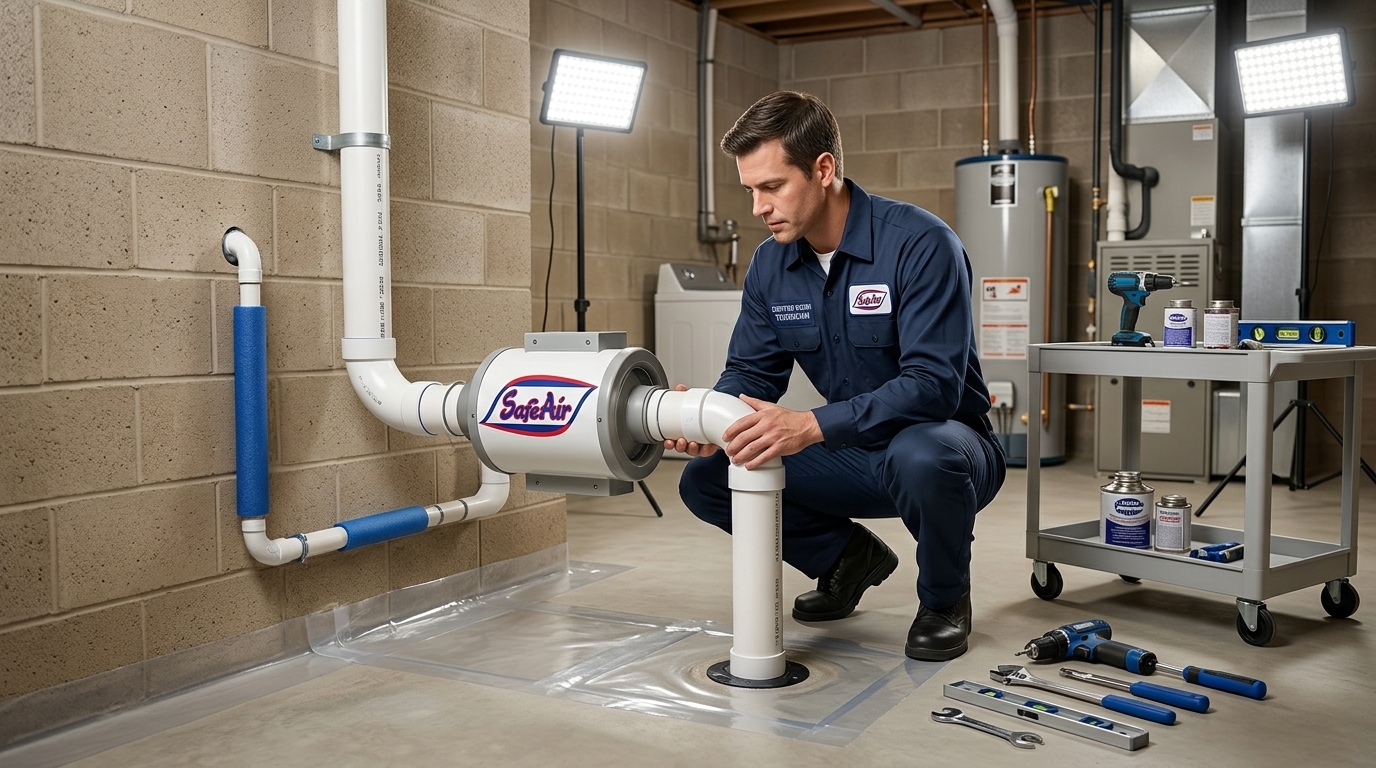
Radon has characteristics that no other indoor air quality concern shares. It has a single, definitive measurement unit (pCi/L). It has a federal action threshold (4.0 pCi/L, established by the EPA). It has a proven, effective remediation method: sub-slab depressurization, which draws radon from beneath the foundation and exhausts it outside before it enters the living space. It can be tested in 48 to 96 hours with results delivered the same week. And it has been documented as the second-leading cause of lung cancer in the United States by both the EPA and the American Cancer Society with no visible or sensory warning of its presence.

The World Health Organization estimates that radon is responsible for between 3% and 14% of all lung cancers globally, depending on average national radon levels and smoking prevalence. In the United States, the EPA places the annual death toll at approximately 21,000 people.

Carbon monoxide is a real threat, but CO detectors provide continuous passive protection. Radon protection requires deliberate action: a certified test. VOCs and particulates are addressed through building practices, ventilation, and filtration. There is no equivalent to “4.0 pCi/L” for most of those categories. There is no analogous decision point.

Radon is the invisible threat where testing gives a homeowner a definitive number and a clear decision: below 4.0, retest in two years; at or above 4.0, mitigate. That clarity is why it comes first.

Georgia context: North Georgia’s geology places Cherokee, Cobb, Bartow, Floyd, and Paulding counties in EPA Zone 1, indicating the highest predicted average indoor radon levels. But the entire state warrants at least one certified test. Radon levels are home-specific, not county-averaged. Two houses built the same year on the same street can produce completely different results. More on the geology and county risk patterns in Georgia here.

How Georgia’s Climate Affects Indoor Air Quality

Georgia’s climate creates IAQ conditions that differ from what homeowners in drier or colder states experience. Understanding those differences matters when deciding where to focus time and money.

Humidity and moisture

Georgia summers are long and humid. Indoor relative humidity in unconditioned or poorly conditioned spaces regularly exceeds 60% from May through September. Above 60% RH, the conditions for mold growth and dust mite proliferation are favorable. The EPA has consistently identified humidity control as one of the highest-value IAQ interventions available to homeowners in humid climates.

Georgia crawlspaces are the single most common source of excess indoor humidity in the state. Ground moisture evaporates into the crawlspace, raises relative humidity, and creates conditions where biological growth establishes itself over time. That air then moves into the living space through the stack effect: as warm air rises and exits the home at the top, it draws replacement air from below, pulling crawlspace air directly into the living area.

Crawlspace encapsulation, which seals the crawlspace floor and walls and connects the space to the conditioned HVAC system, is the standard Georgia solution for controlling ground moisture. It lowers the humidity load on the main living area and reduces the conditions that support biological growth.

HVAC systems

Georgia’s HVAC season is one of the longest in the country. Cooling season typically begins in April and extends through October. Heating runs from November through March. Georgia homes run their HVAC systems for most of the year, which means system condition has an outsized impact on indoor air quality compared to homes in temperate climates.

HVAC systems that haven’t been professionally maintained can accumulate biological growth on coils, in drain pans, and in ductwork. Once contaminated, the system distributes those particles throughout the home with every cycle. Filter maintenance, annual coil cleaning, and periodic duct inspection are standard IAQ maintenance steps for Georgia homeowners given the extended operating season. A system last serviced two or three years ago has been distributing whatever is growing inside it through an entire sequence of Georgia summers.

Radon and HVAC interaction

HVAC systems affect radon concentrations in ways most homeowners don’t expect. A well-sealed, tightly built home with a large HVAC system can create negative indoor pressure relative to the soil beneath the foundation. Negative pressure draws soil gas, including radon, into the home through any foundation opening: cracks in slabs, gaps around utility penetrations, and crawlspace openings.

Georgia’s mild winters mean homes are not always as tightly sealed as they would be in northern climates. But during cooling season, a well-sealed home running a high-capacity air conditioning system can create exactly that negative pressure condition. This is one reason radon levels can shift seasonally.

Radon levels tend to be higher in winter, when homes are closed, and lower in spring and fall when windows are occasionally open. A certified indoor test conducted during normal occupancy, with windows closed and HVAC running on its standard schedule, captures the most representative reading for the home as it is actually lived in.
What Jeremy Looks For in a Georgia Home

Jeremy Shelton has tested hundreds of Georgia homes across every housing type: 1940s bungalows in Decatur, new construction in Cherokee County, crawlspace homes in Cobb County, and high-rise condos in Midtown Atlanta.

What he finds varies dramatically, even within the same neighborhood. Two homes built in the same year on the same street can produce completely different radon results. Soil pathways beneath each foundation are unique. Stack effect pressure differentials vary by construction type and HVAC configuration. What doesn’t vary: homeowners who have tested know their number. Homeowners who haven’t are operating on an assumption with no factual basis.

Beyond radon, the IAQ concerns Jeremy sees most consistently in Georgia homes fall into three categories.

Crawlspace moisture issues. The crawlspace is the most common source of biological IAQ problems in Georgia homes. Ground moisture evaporates upward, raises crawlspace humidity, and creates conditions for biological growth that can persist for years without any obvious sign from inside the home. Jeremy’s specific expertise includes crawlspace inspection and moisture assessment, conducted separately from radon testing through SafeAir Certified Mold Inspection

HVAC systems past service life. Georgia’s long HVAC season accelerates wear. Systems over 15 years old are common in the housing stock Jeremy tests. An aging system that hasn’t been maintained becomes a contamination distribution point rather than a clean air delivery system. Jeremy flags HVAC condition in nearly every older home he assesses.

Tightly sealed homes without corresponding ventilation. Energy efficiency improvements are valuable. But homes that have been air-sealed for energy performance without adding mechanical ventilation can trap VOCs, humidity, and soil gases, including radon, at higher concentrations than before the work was done. The tighter the building envelope, the more important deliberate ventilation and radon testing become.

Jeremy holds the following certifications: ACAC Certified Indoor Environmental Consultant (CIEC), ACAC Certified Microbial Consultant (CMC), and IICRC certifications. He founded SafeAir in 2009 and has been providing certified radon testing and indoor air quality assessments across the Atlanta metro and North Georgia ever since. More about his background and the scope of SafeAir’s work is available on the SafeAir about page. For a full list of what SafeAir offers, see the services page.

Building a Baseline for Your Home’s Air Quality

For a homeowner who wants to know what’s actually happening with the air in their home, the path forward is sequential, not simultaneous.

Start with radon testing.

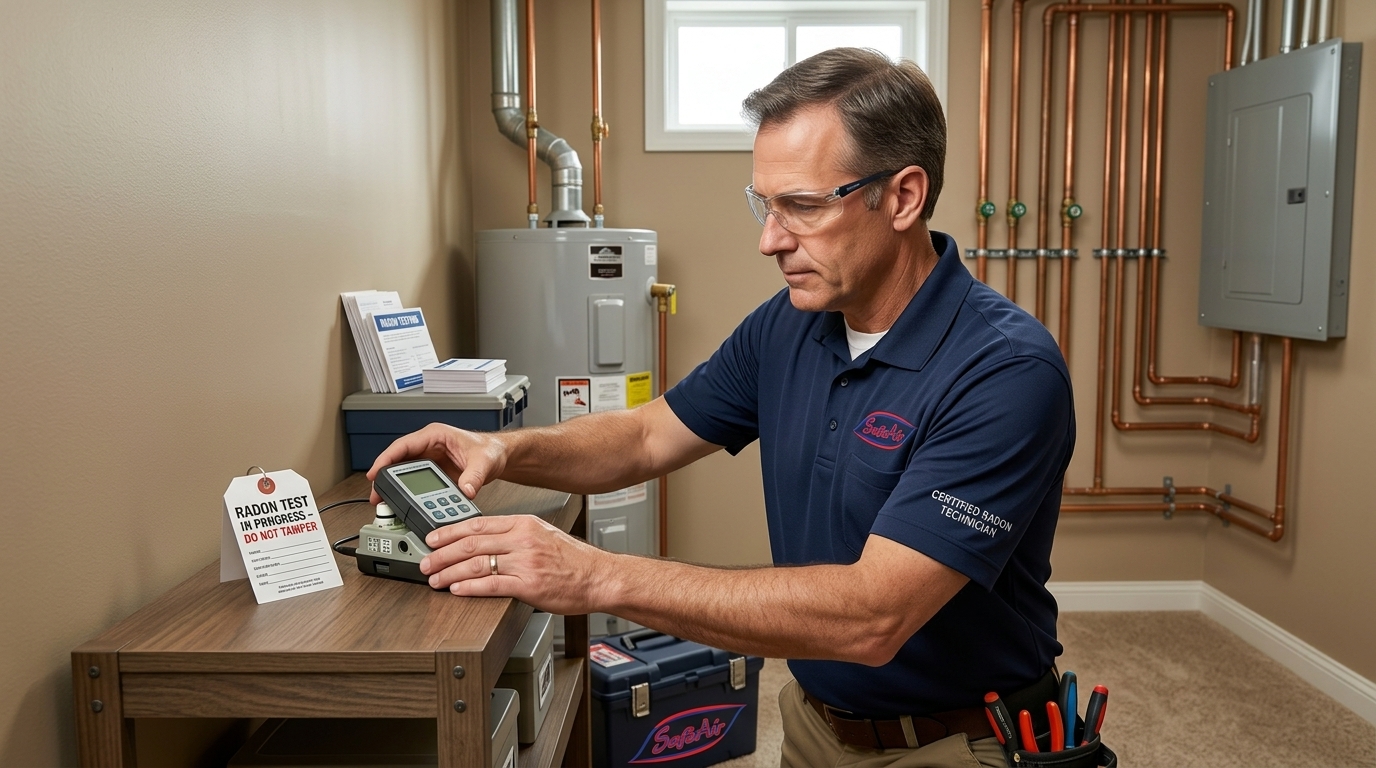
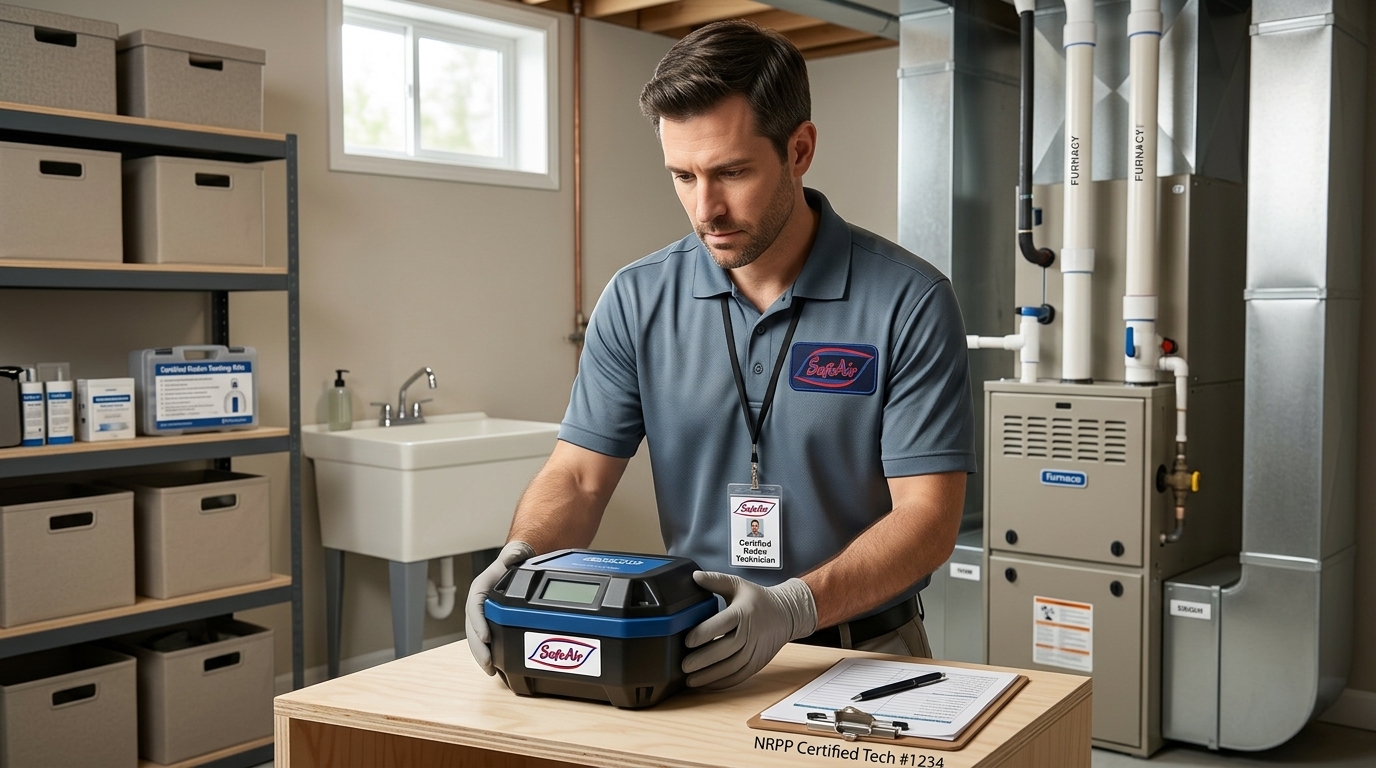
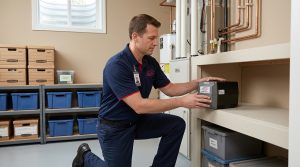
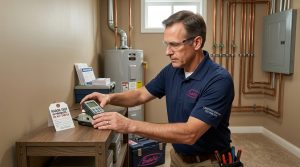
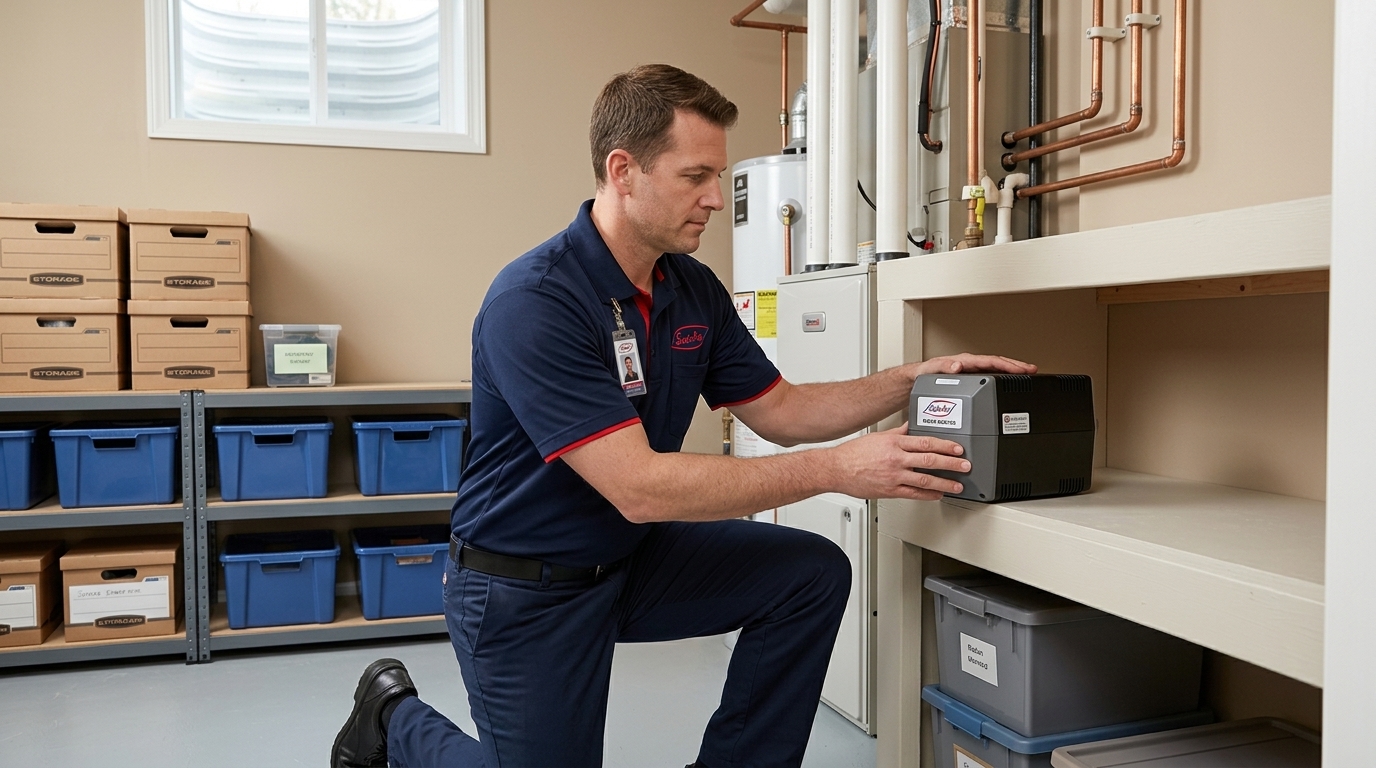
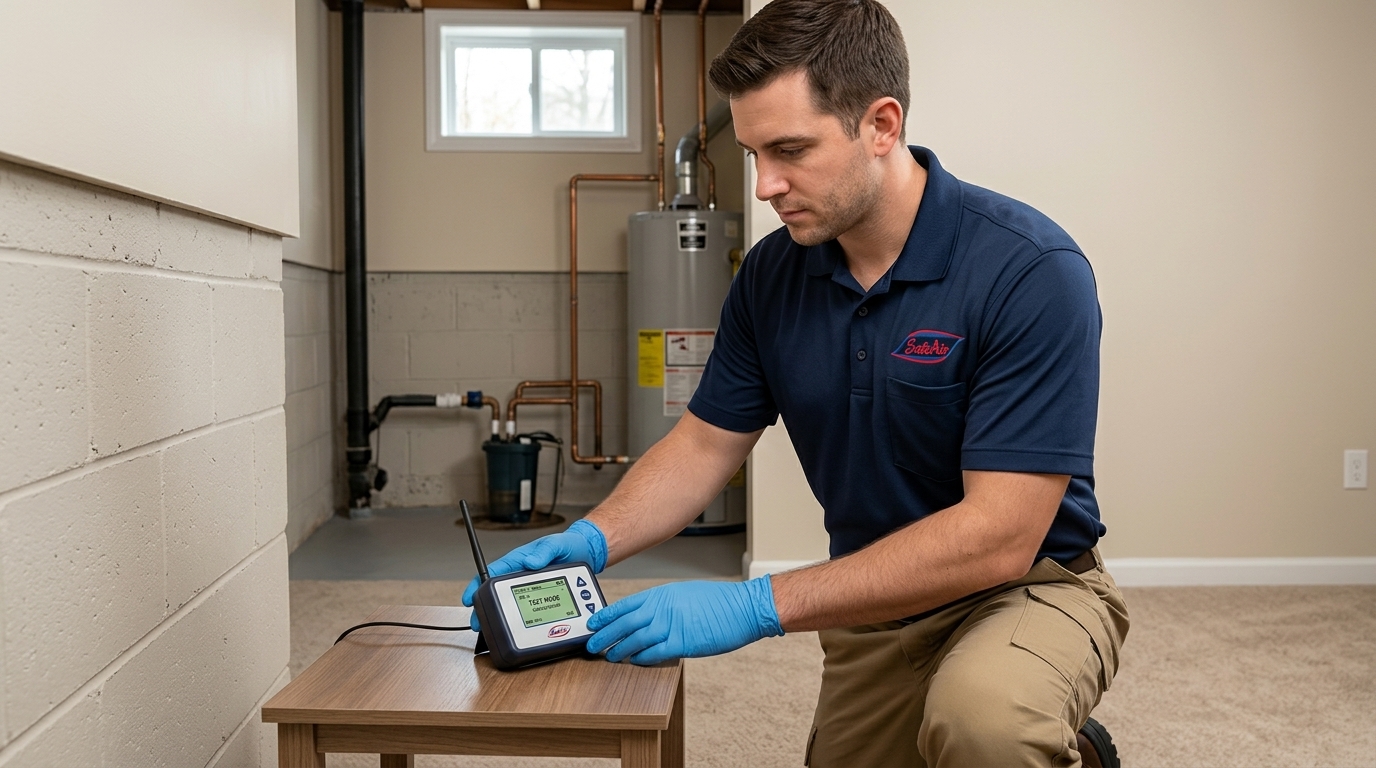
A certified 48-hour radon test delivers a result in pCi/L against a clear action threshold. The test device is placed in the lowest livable area of the home for 48 to 96 hours. Results are typically delivered within the week.

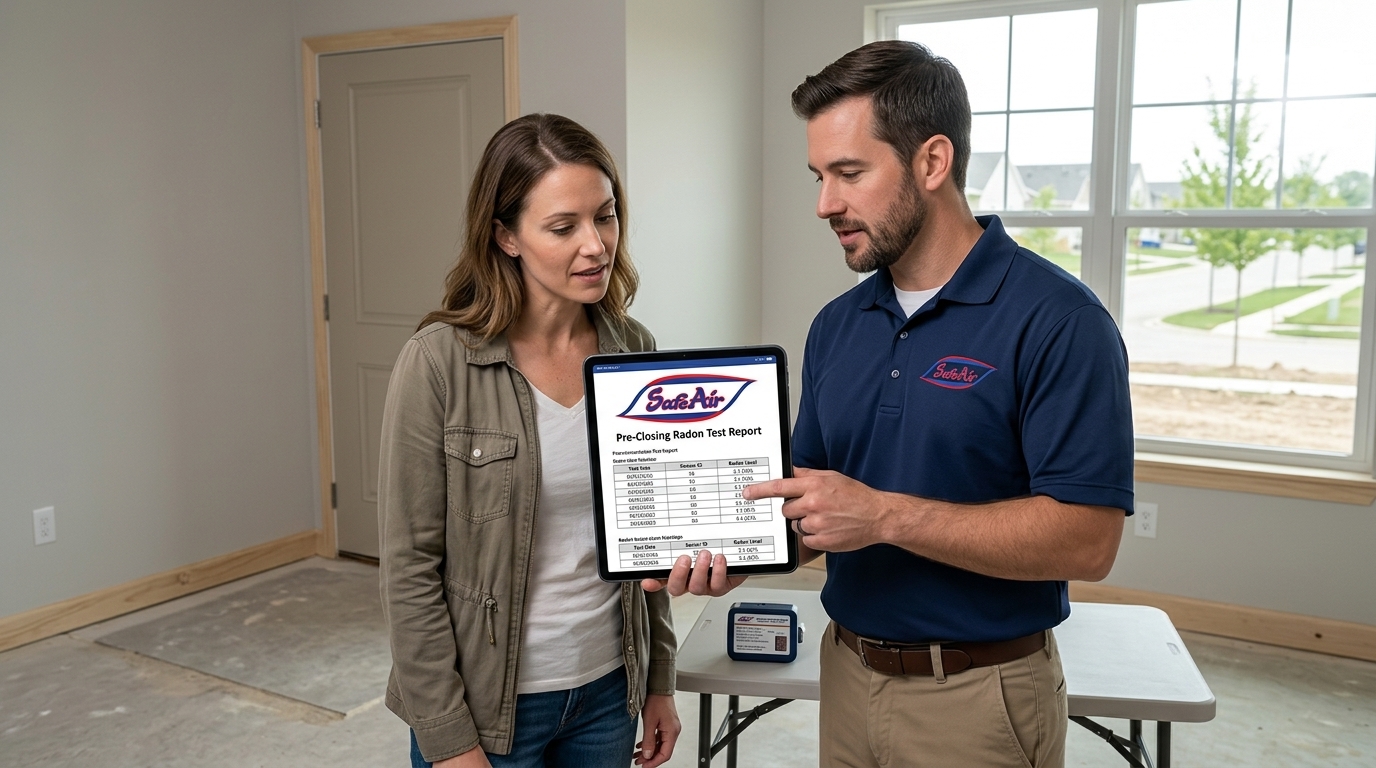
If the result is below 4.0 pCi/L, the EPA recommendation is to retest every two years, or following any significant change to the home: renovation, HVAC replacement, or the addition of below-grade living space. If the result is at or above 4.0 pCi/L, the next step is mitigation, followed by a post-mitigation verification test to confirm the mitigation system is performing correctly. For background on what radon is and why it matters specifically in the Atlanta area, see this overview.

Address CO protection.

Confirm that working carbon monoxide detectors are installed on every floor. Georgia building code requires them. CO is the acute IAQ risk. Radon is the chronic one. Both deserve coverage, and CO protection is addressed with hardware that is already legally required.

Inspect the crawlspace.

A crawlspace inspection establishes what is happening beneath the floor separately from radon testing. Ground moisture levels, vapor barrier condition, visible biological growth, and insulation status all affect the home’s overall IAQ picture. In Georgia, this inspection should be conducted by a certified professional familiar with crawlspace conditions specific to the state’s climate and housing stock.

Maintain the HVAC system.

Change filters on the manufacturer’s recommended schedule. Have the system professionally inspected annually. If there is any sign of visible growth, unusual odors from supply vents, or a system that has gone several years without service, a coil cleaning and duct inspection are appropriate before running the system through another extended Georgia cooling season.

Consider a longer-term IAQ assessment.

For homeowners who want a complete picture, VOC testing, particulate testing, and a professional IAQ walkthrough are available. These are most valuable in newly renovated spaces, homes with recent chemical use, or homes where occupants have respiratory sensitivities that haven’t been explained by other medical workup.

Frequently Asked Questions

What is the most important indoor air quality test for a Georgia homeowner?

Radon testing is the highest-priority IAQ test for most Georgia homeowners. Radon is the second-leading cause of lung cancer in the United States according to the EPA has no odor or visible warning, and can be tested definitively with a 48 to 96 hour certified test. In North Georgia’s elevated-risk counties, including Cherokee, Cobb, Bartow, Floyd, and Paulding, testing is especially important. The EPA and the American Cancer Society both recommend that every home be tested regardless of location, because radon levels are specific to individual homes rather than to counties or ZIP codes.

How do I improve indoor air quality in a Georgia home?

Start with radon testing to establish a baseline on the highest-priority invisible threat. Maintain HVAC filters on the manufacturer’s schedule and arrange annual professional system service. Control indoor humidity, particularly in the crawlspace, which is the most common source of moisture-driven IAQ problems in Georgia homes. Ventilate when painting, applying adhesives, or using chemical products indoors. For newly renovated spaces, increase fresh air exchange until off-gassing from new materials has had time to stabilize.

Does HVAC filtration remove radon from home air?

No. HVAC filtration removes particulate matter: dust, pollen, pet dander, and mold spores. Radon is a gas, not a particle. Standard air filters, including high-efficiency HEPA-rated filters, do not affect radon concentrations. Air purifiers marketed for general IAQ improvement similarly have no effect on radon levels. The only effective solution for elevated radon is sub-slab depressurization, a mitigation system that draws radon from beneath the foundation and exhausts it outside before it enters the living space.

Who is Jeremy Shelton?

Jeremy Shelton founded SafeAir in 2009 after discovering that an indoor air quality problem in his own crawlspace had affected his health for over a year. He holds certifications through ACAC as a Certified Indoor Environmental Consultant (CIEC) and Certified Microbial Consultant (CMC), along with IICRC certifications. He has been testing Georgia homes for indoor air quality concerns for nearly two decades. His practice covers certified radon testing, post-mitigation verification, and IAQ assessment across 57 communities in metro Atlanta and North Georgia.

Know What’s in Your Air.

Jeremy has been testing Georgia homes since 2009. SafeAir provides certified radon testing across 57 communities in metro Atlanta and North Georgia.

Same-day scheduling. Results in 48 to 72 hours. No mitigation sales pitch.

Schedule Your Inspection

No obligation. Just the number.

Jeremy Shelton | ACAC Certified Indoor Environmental Consultant (CIEC) | ACAC Certified Microbial Consultant (CMC) | IICRC Certified | Founder, SafeAir Radon Testing (est. 2009)

Table of Contents

Contact Us
More Posts
Ready to test your home?

SafeAir’s certified radon inspectors serve all of metro Atlanta. Get results you can trust—from an inspector who never sells mitigation.

Request an Inspection
REST EASY.

Know your air. Schedule your inspection today.

Ready to know? Speak with a consultant