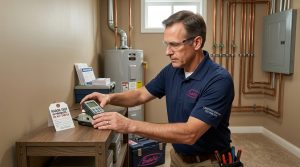
Cherokee County is one of Georgia’s highest radon-risk areas. The EPA classifies it as Zone 1, the category with the highest predicted average indoor radon screening levels. The reason comes down to geology: the crystalline rock beneath Cherokee County’s growing communities produces radon at levels above the state and national average. Most residents are not aware of this. Most homes in Cherokee County have never been tested.
What EPA Zone 1 Means for Cherokee County
The EPA divides the United States into three radon risk zones based on predicted average indoor radon screening levels.
- Zone 1: Predicted average above 4.0 pCi/L. This is the EPA action level and the highest-risk designation.
- Zone 2: Predicted average between 2.0 and 4.0 pCi/L.
- Zone 3: Predicted average below 2.0 pCi/L.
Cherokee County is Zone 1. In practical terms, the predicted average radon level across homes in the county exceeds the EPA action threshold. Not every home will test above 4.0 pCi/L. Radon levels vary significantly between individual properties, even properties on the same street. Zone 1 means the county-wide risk is elevated and testing is important. It is not a guarantee that any specific home will come back above the threshold.
Two houses on the same block can have very different readings depending on foundation type, soil composition, and construction details. What Zone 1 tells you is that Cherokee County belongs to the group of counties where the risk is highest. For the full EPA zone map, see the EPA Radon Zone Map

The Geology Behind Cherokee County’s Radon Risk
This is not about construction quality or home age. It is about what is in the ground.
Cherokee County sits at the foothills of the Blue Ridge Mountains in northwest Georgia. The bedrock is composed primarily of crystalline rock: granite, gneiss, and metamorphic formations. These rock types are naturally high in uranium content. Uranium decays over time into radium, and radium decays into radon gas. That gas moves upward through soil and rock and enters homes through foundation cracks, slab penetrations, and crawlspace vents.
This process happens continuously and does not require any particular construction flaw. The geological conditions create radon at the source level. What gets into a home depends on how that home sits on the ground and how air moves through it.
The Blue Ridge geological formation runs through Cherokee County and extends into neighboring areas. Bartow County (Cartersville), Floyd County (Rome), Paulding County (Hiram and Dallas), and portions of Cobb County share similar geology and elevated radon risk. If you are buying or living in this part of Georgia, the underlying geology is a factor worth understanding. You can read more about how this affects the broader region in our post on radon in Georgia homes.
Cherokee County’s population has grown rapidly. Canton, Woodstock, and surrounding communities have been among the fastest-growing areas in the Atlanta metro for the past decade. Thousands of new homes are being built on Zone 1 soil each year, and many of those homes are never tested.
New Construction in Cherokee County: Why It Still Needs Testing
The most common misunderstanding SafeAir encounters in Cherokee County is the belief that a new home does not need radon testing.
That assumption is incorrect. Radon enters homes through concrete slabs and foundation expansion joints. Every new home has a concrete slab or foundation, regardless of age. The soil and rock beneath that foundation do not change because a house was recently built. A brand-new home in Canton or Woodstock sits on the same Zone 1 geology as a home built twenty years ago.
Some new construction in Georgia includes radon-resistant features: a sub-slab depressurization rough-in pipe and polyethylene sheeting under the slab. These features reduce the potential for radon entry. They do not eliminate it, and they are not a substitute for testing. A rough-in pipe is a passive feature that reduces radon entry to some degree. An active mitigation system requires a fan and a post-installation test to confirm it is working. Neither feature tells you what the radon level inside the home actually is.
EPA recommends testing all new construction, particularly in Zone 1 counties. The right window is the first 12 to 24 months of occupancy. Testing at that stage gives homeowners an accurate baseline reading for the home as lived in.
Cherokee County’s Real Estate Market and Radon
Cherokee County is one of the Atlanta metro’s most active real estate markets. Canton, Woodstock, and Acworth see consistent transaction volume year-round. Radon comes up in Cherokee County transactions regularly.
Buyer’s agents familiar with the area know the Zone 1 designation. Home inspectors increasingly flag radon testing as a standard recommendation in north Georgia counties. That means radon may come up in your transaction whether or not you plan for it.
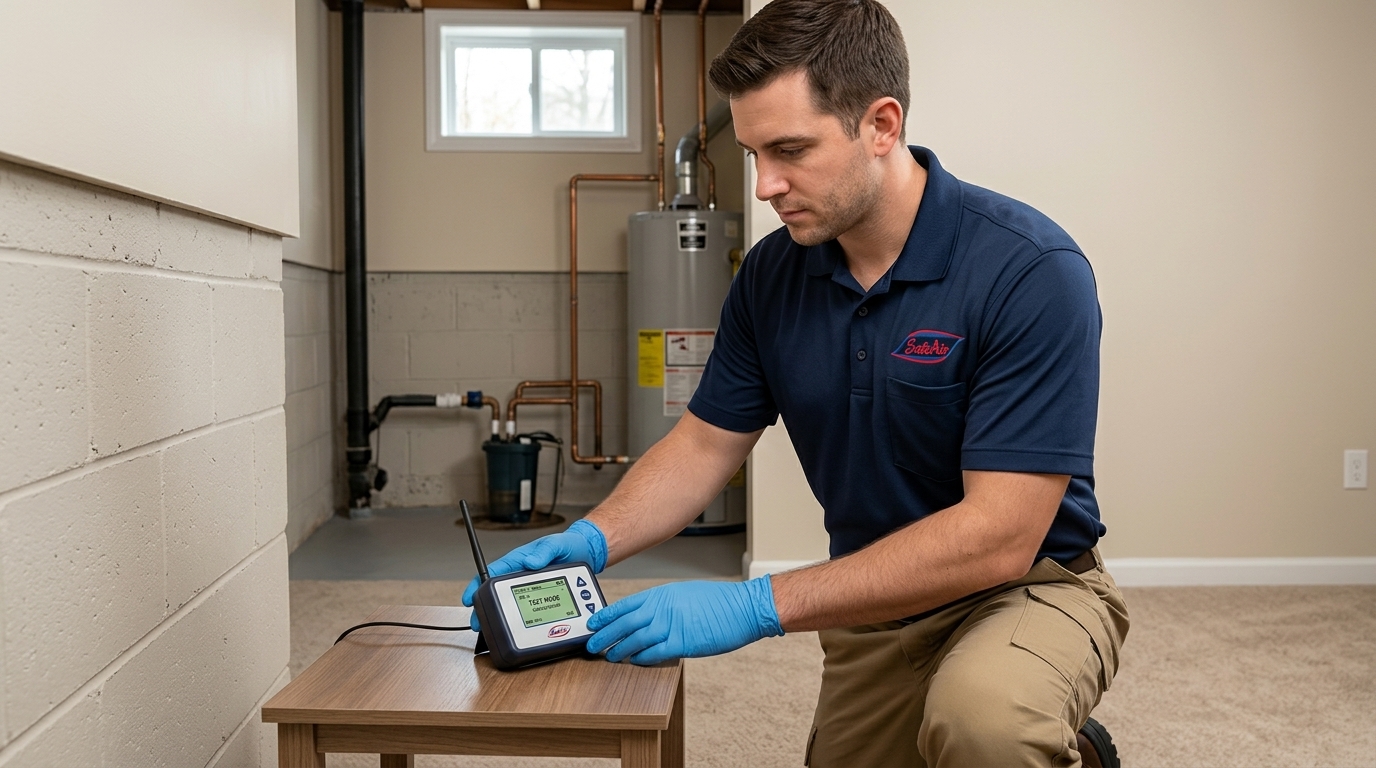
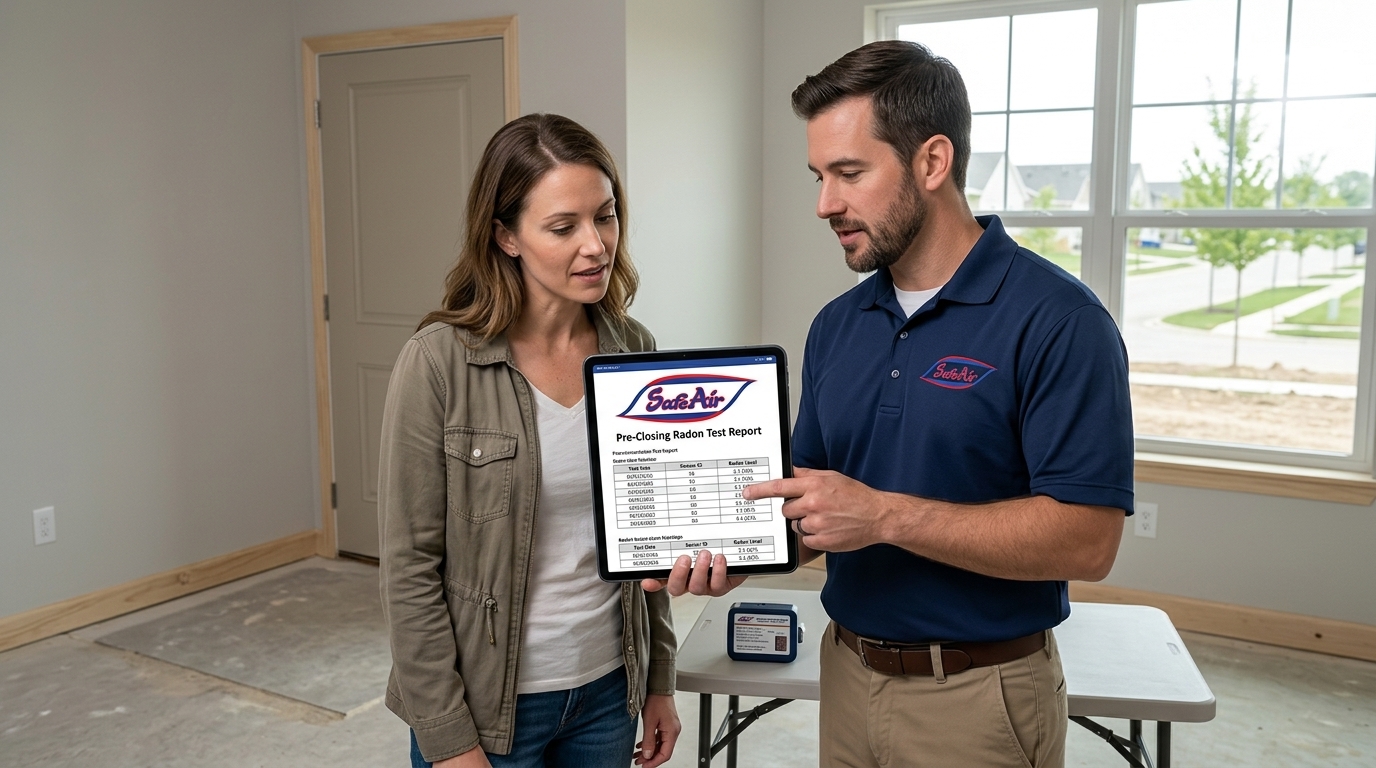
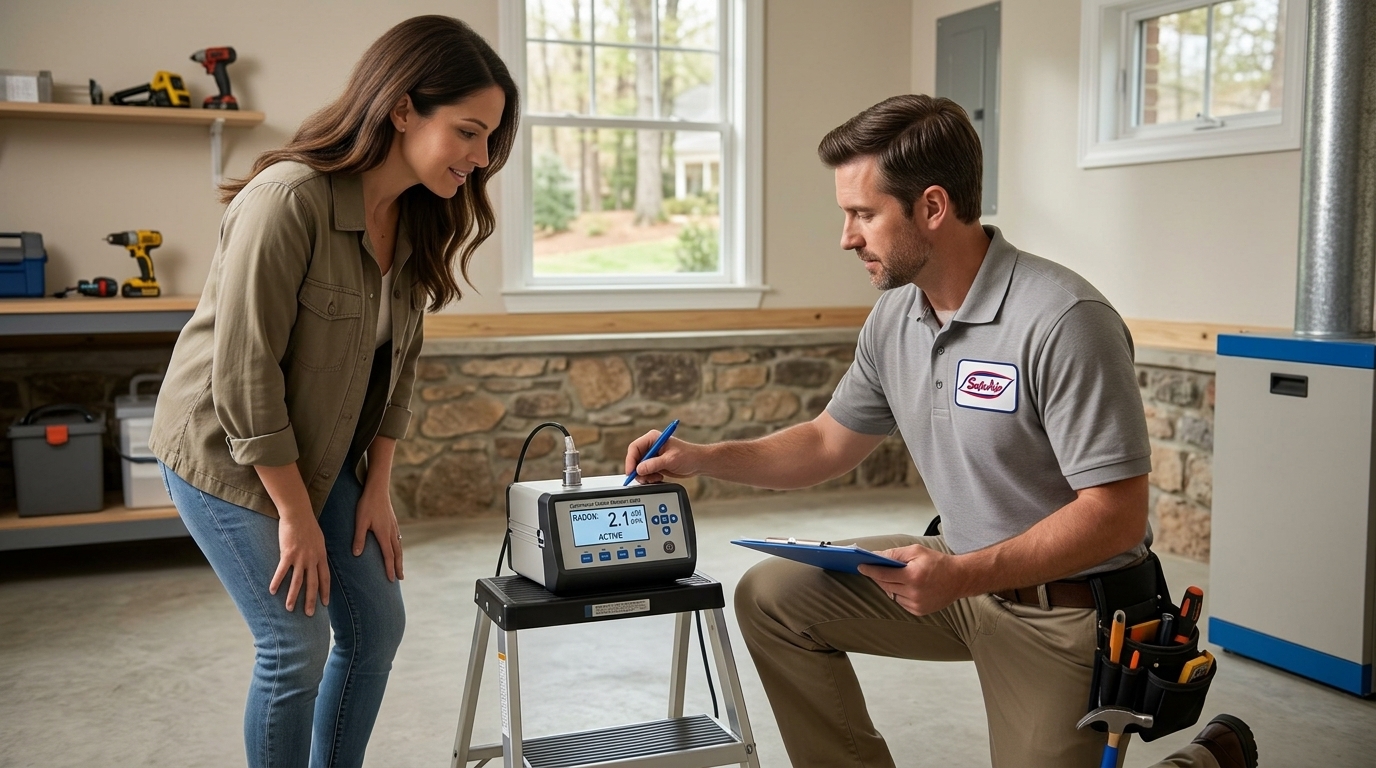
For buyers: A certified 48-hour radon test fits within a standard inspection contingency window. Schedule the radon test at the same time as the home inspection to avoid delays. If the result comes back elevated, that is not the end of the deal. Mitigation is a known cost. The typical range for radon mitigation in Georgia is $800 to $2,500, depending on the home’s foundation type and the system required.
For agents: An elevated radon result in Cherokee County is not unusual given the geology. What keeps a deal on track is having a certified, independent tester who can turn results in 48 hours and a clear explanation of what mitigation involves. SafeAir serves all of Cherokee County and works within standard inspection timelines.
For more on how radon testing fits into a real estate transaction, see our post on radon testing in Cobb County, which shares much of the same geological profile.
Communities SafeAir Serves in Cherokee County
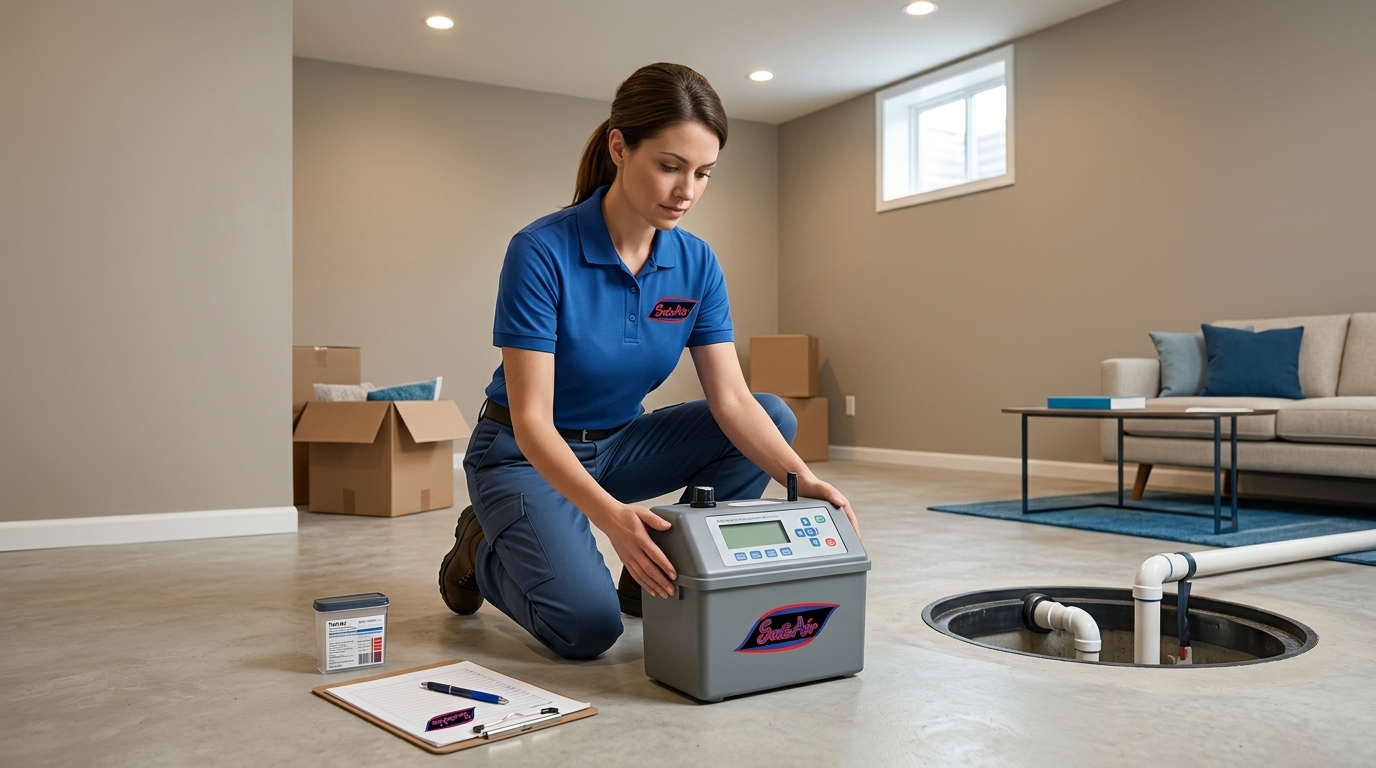
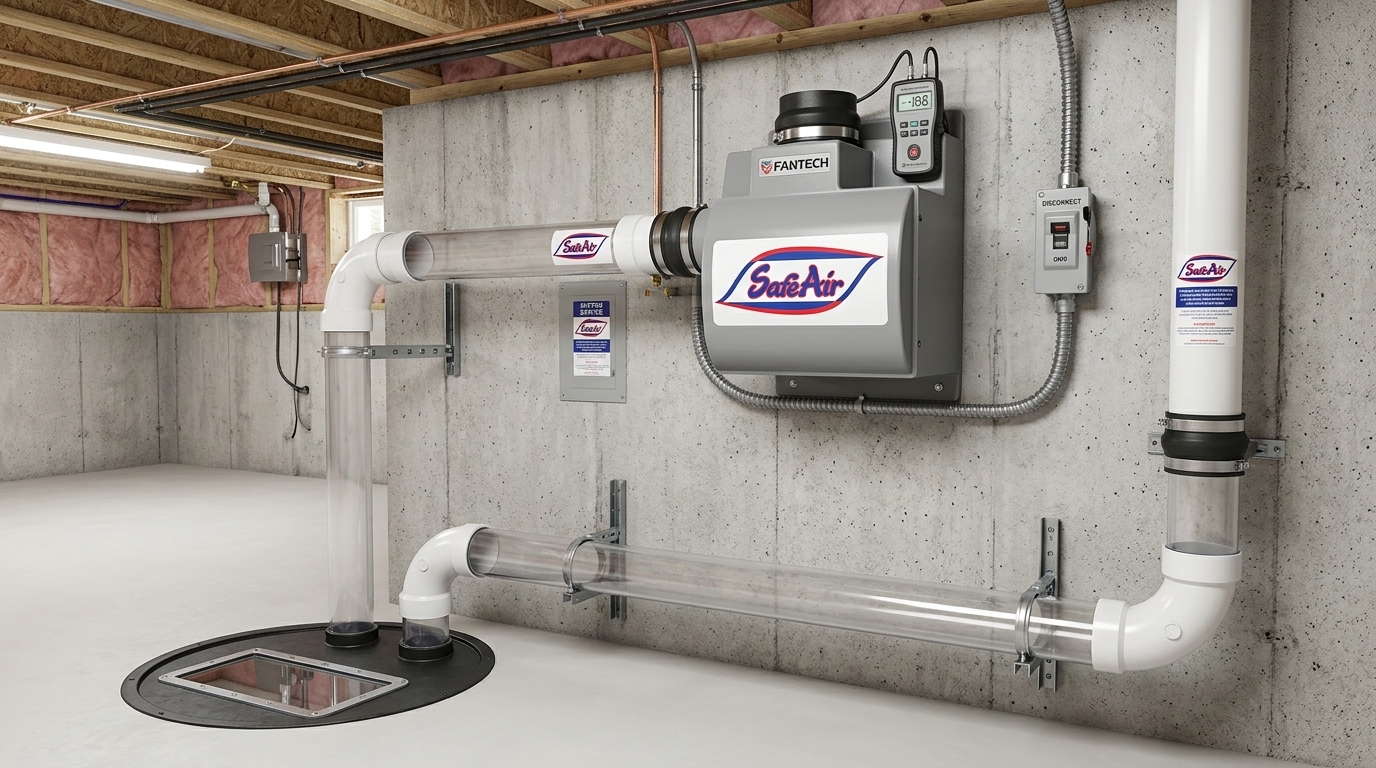
SafeAir provides certified radon testing across Cherokee County. Service areas include:
Same-day scheduling is available in most Cherokee County communities. Results are delivered in 48 to 72 hours.
Frequently Asked Questions
Is radon common in Cherokee County, GA?
Cherokee County is classified as EPA Zone 1 due to the crystalline rock geology beneath the county. That designation means the predicted average radon level for homes in the county exceeds the EPA action level of 4.0 pCi/L. Radon levels vary from home to home, but Cherokee County carries a statistically elevated risk compared to counties in central or south Georgia. The only way to know your home’s actual radon level is to test it.
Do new homes in Canton or Woodstock need radon testing?
Yes. New construction is not immune to radon. Radon enters through concrete slabs and foundation joints present in all new homes, regardless of when they were built. EPA recommends testing new construction, particularly in Zone 1 counties like Cherokee. Testing within the first two years of occupancy gives homeowners an accurate baseline reading for their specific home.
Does SafeAir test in Ball Ground and Holly Springs?
Yes. SafeAir serves communities throughout Cherokee County, including Canton, Woodstock, Acworth, Ball Ground, Holly Springs, and Waleska. Contact SafeAir for scheduling and availability in your specific community.
Get Your Cherokee County Home Tested
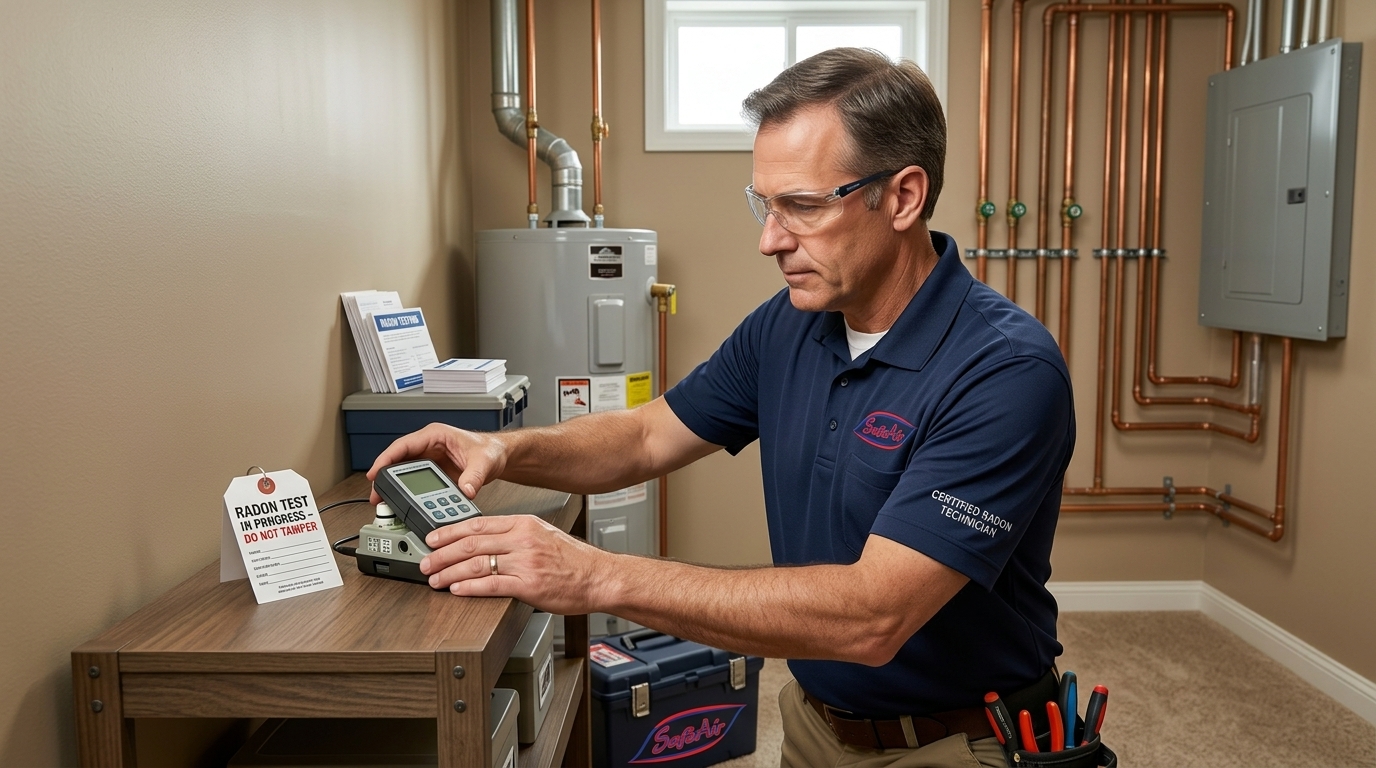
SafeAir provides certified, independent radon testing across Cherokee County, including Canton, Woodstock, Acworth, and surrounding communities.
Same-day scheduling is available. Results are delivered in 48 to 72 hours. SafeAir does not offer mitigation services, which means your test result is always an independent reading with no conflict of interest.
Schedule Your Inspection
Jeremy Shelton | ACAC CIEC, ACAC CMC, IICRC