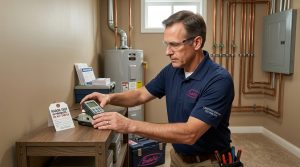
You want a number before you call anyone. That is a reasonable place to start. A certified professional radon test in Georgia typically runs in the range of $150 to $300, depending on property type, test duration, and provider. A DIY charcoal canister from a home improvement store costs $15 to $30, plus a separate mail-in lab fee. The difference between those two options matters a great deal. What you plan to do with the result determines which one you need.
The Short Answer on Cost
A certified professional radon test typically costs $150 to $300 in the United States, and a DIY charcoal kit typically costs $15 to $30 plus an additional $30 to $40 lab fee.
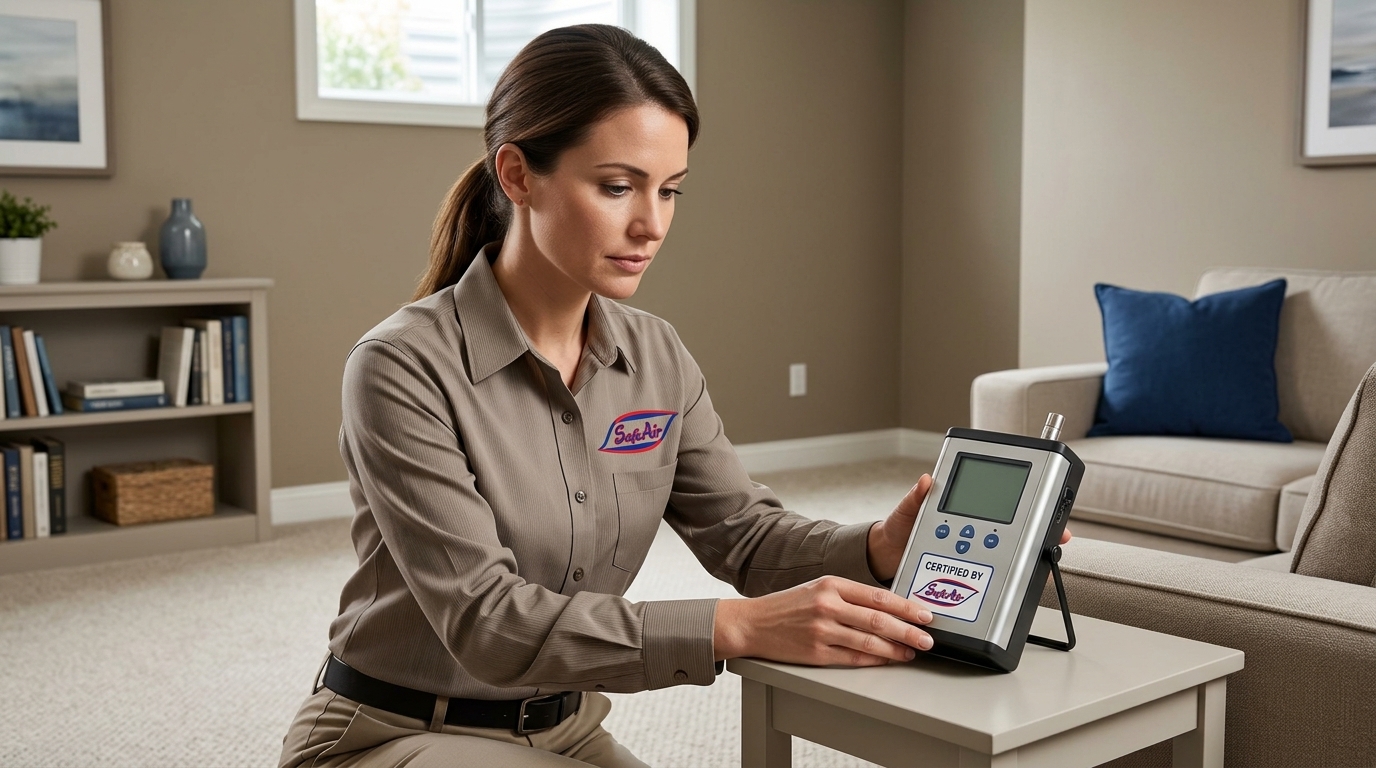
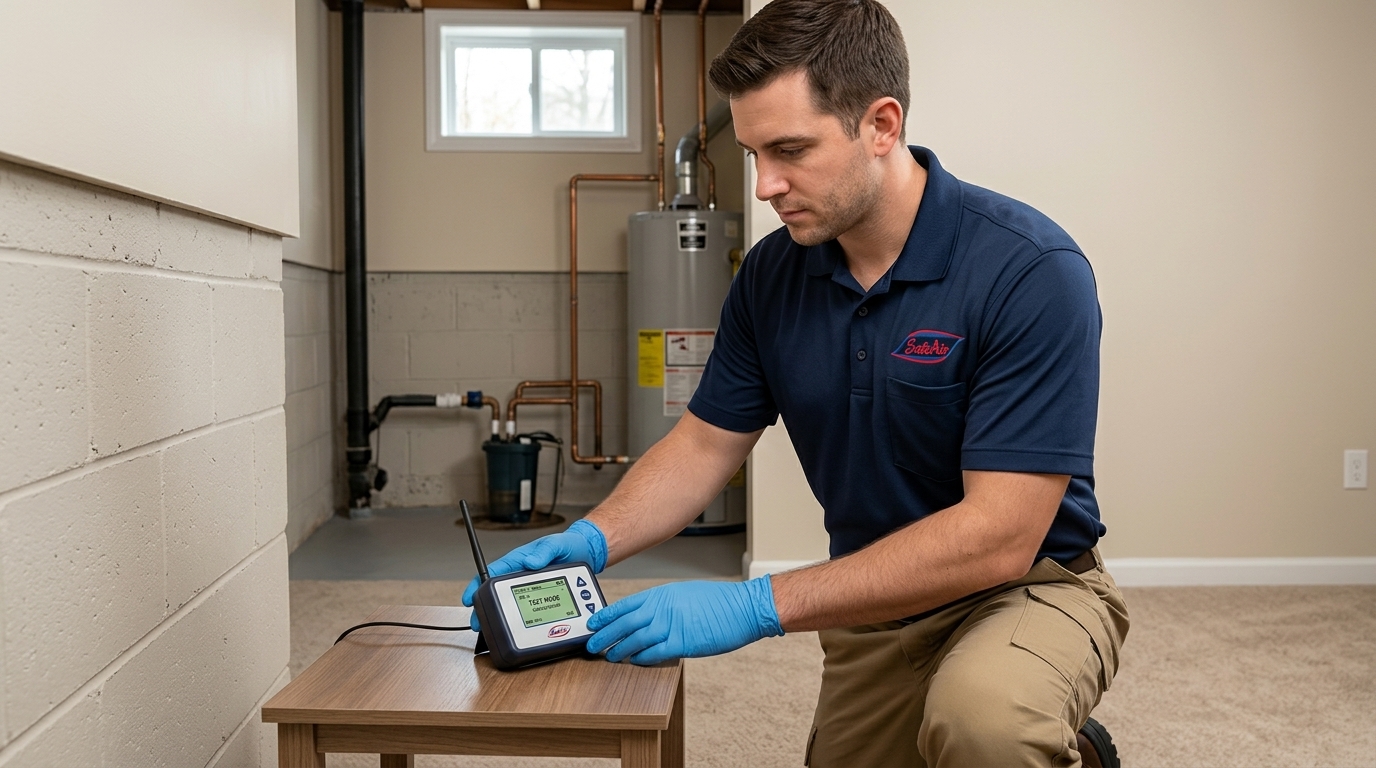
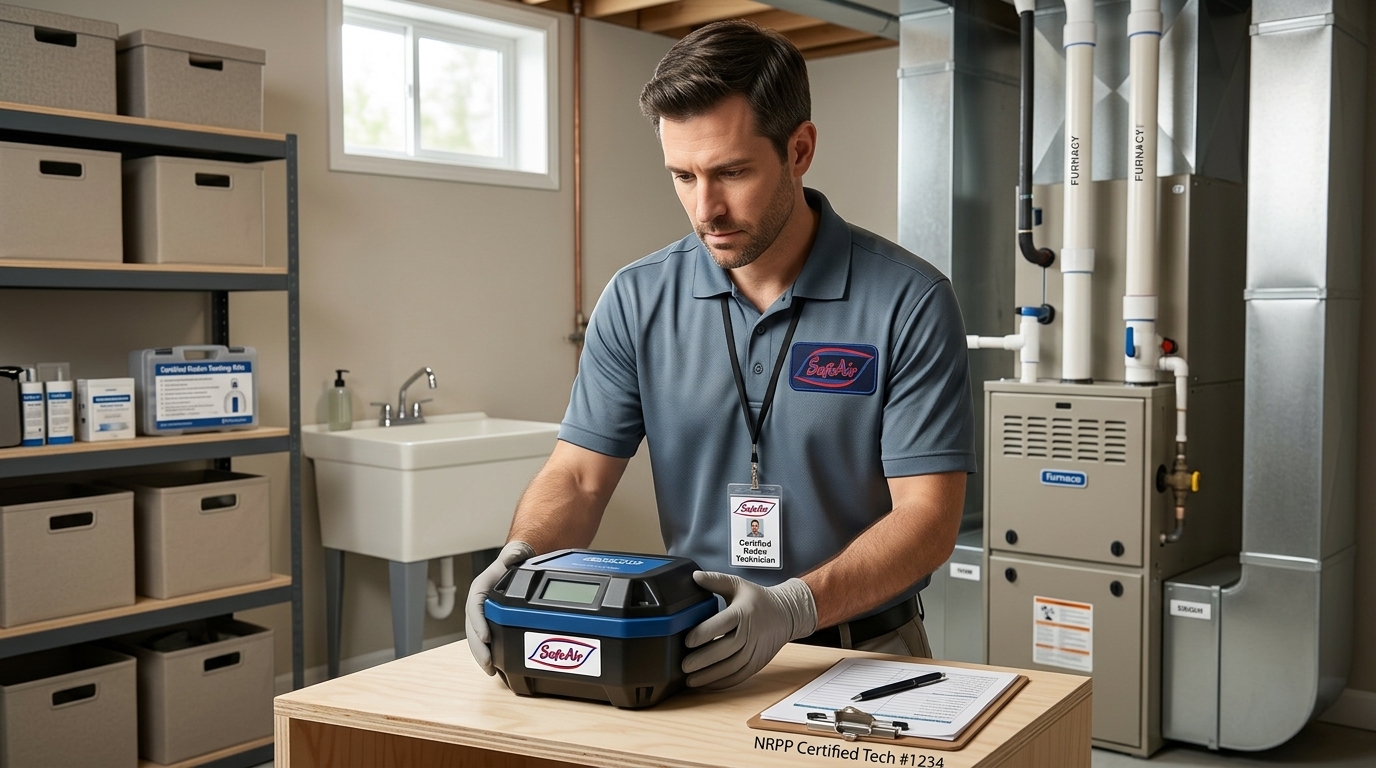
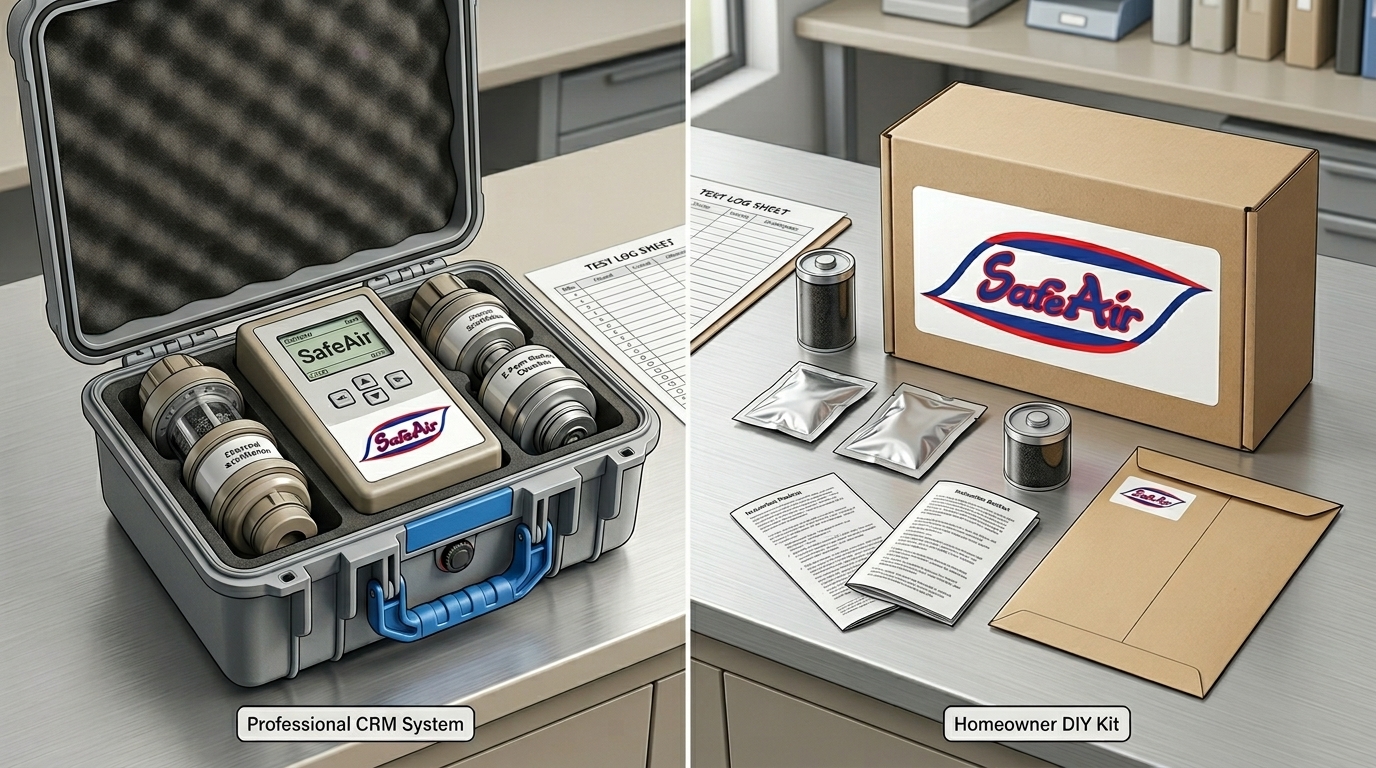
A certified professional short-term test includes device placement by a credentialed inspector, a 48 to 96 hour test period, accredited lab analysis, and a written certified result in pCi/L. A DIY charcoal canister is placed by the homeowner and mailed to a lab. A long-term professional test runs 90 days or more and typically costs more than a short-term test. Long-term tests are used for operational baselines, not real estate transactions.
The cost is not the main variable. The certification and chain of custody are what make a result usable for real estate, insurance, and mitigation work.
What Drives the Cost of a Radon Test
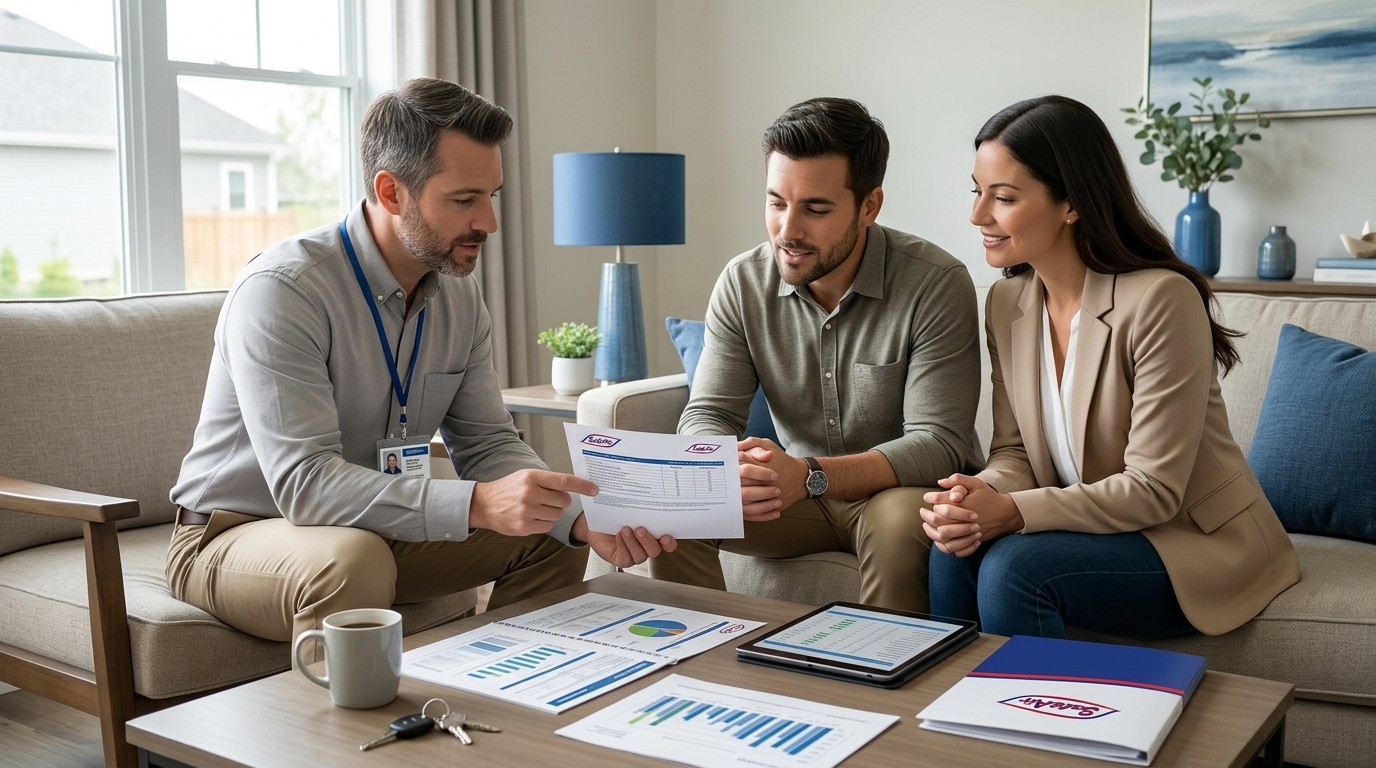
Four factors move the price of a radon test up or down.
Test type. A short-term test runs 48 to 96 hours and is the standard for real estate transactions and initial screening. A long-term test runs 90 days or more and establishes a baseline over seasonal variation. Long-term tests typically cost more because the device is deployed for a longer period and requires different logistics.
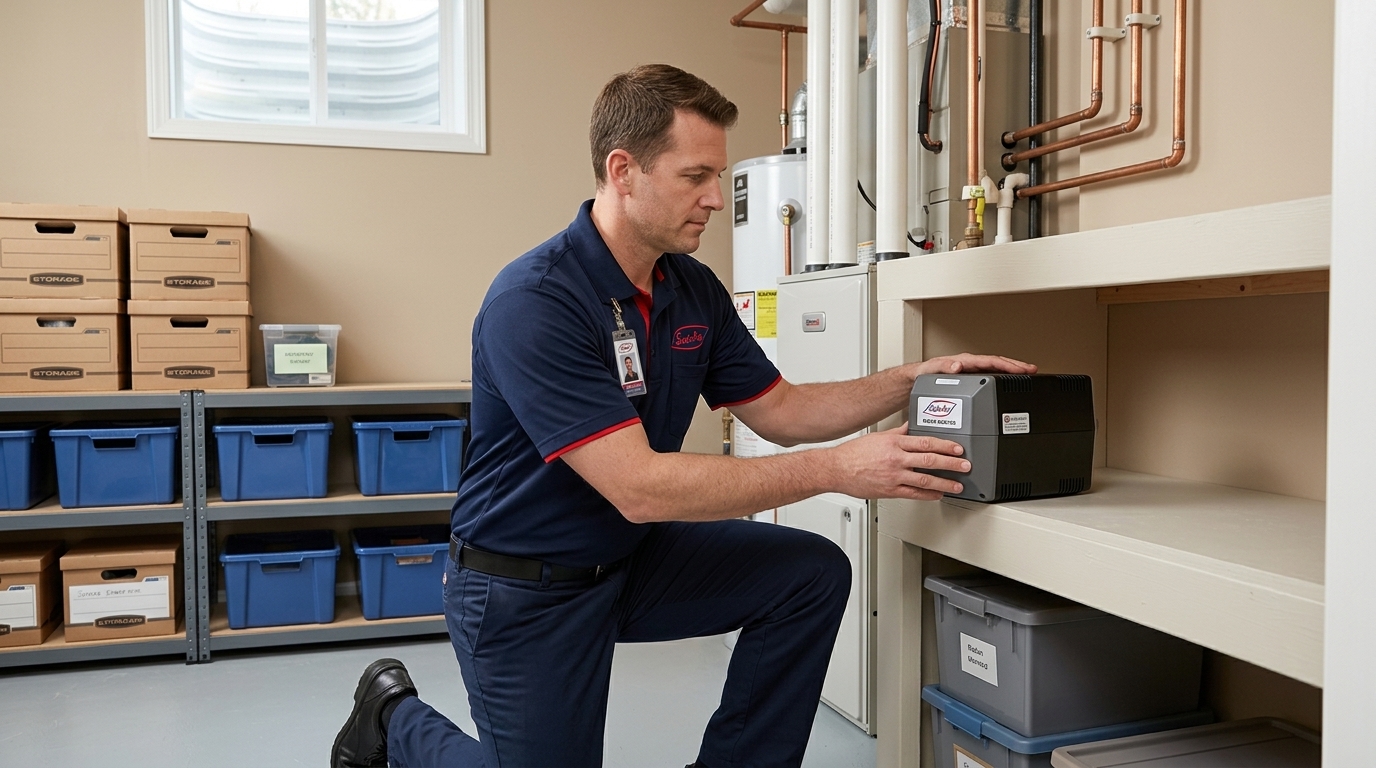
Property size and configuration. A single-level home with no finished basement may need one device. A multi-level home or a home with a finished basement requires a device on the lowest occupied level at or below grade. Larger or more complex properties may need additional devices to cover all applicable areas. Providers may price additional devices separately.
Lab accreditation. Certified professional tests use accredited labs. That accreditation is what makes the written result acceptable to real estate agents, lenders, mitigation contractors, and insurance companies. DIY kits use varying labs, and their results carry no certified chain of custody.
Turnaround time. Most certified tests follow standard lab turnaround, which is approximately 48 hours after the lab receives the device. Expedited results are sometimes available at additional cost.
DIY Radon Test Kits vs. Professional Certified Testing
Both options measure radon. They are not interchangeable.
DIY charcoal canisters are available at Home Depot, Lowes, and Amazon. The homeowner places the canister in the lowest livable area of the home, leaves it for the specified duration, and mails it to the included lab. Total cost is typically $15 to $30 for the kit plus approximately $30 to $40 for the lab analysis. The result is real. The chain of custody is not certified.
That distinction matters in specific situations. Most real estate purchase contracts require a certified test by a credentialed professional. Lenders that require radon documentation as a condition of closing will not accept a homeowner-placed DIY kit. Mitigation contractors use the certified baseline to design and verify a mitigation system. A DIY result does not satisfy those requirements.
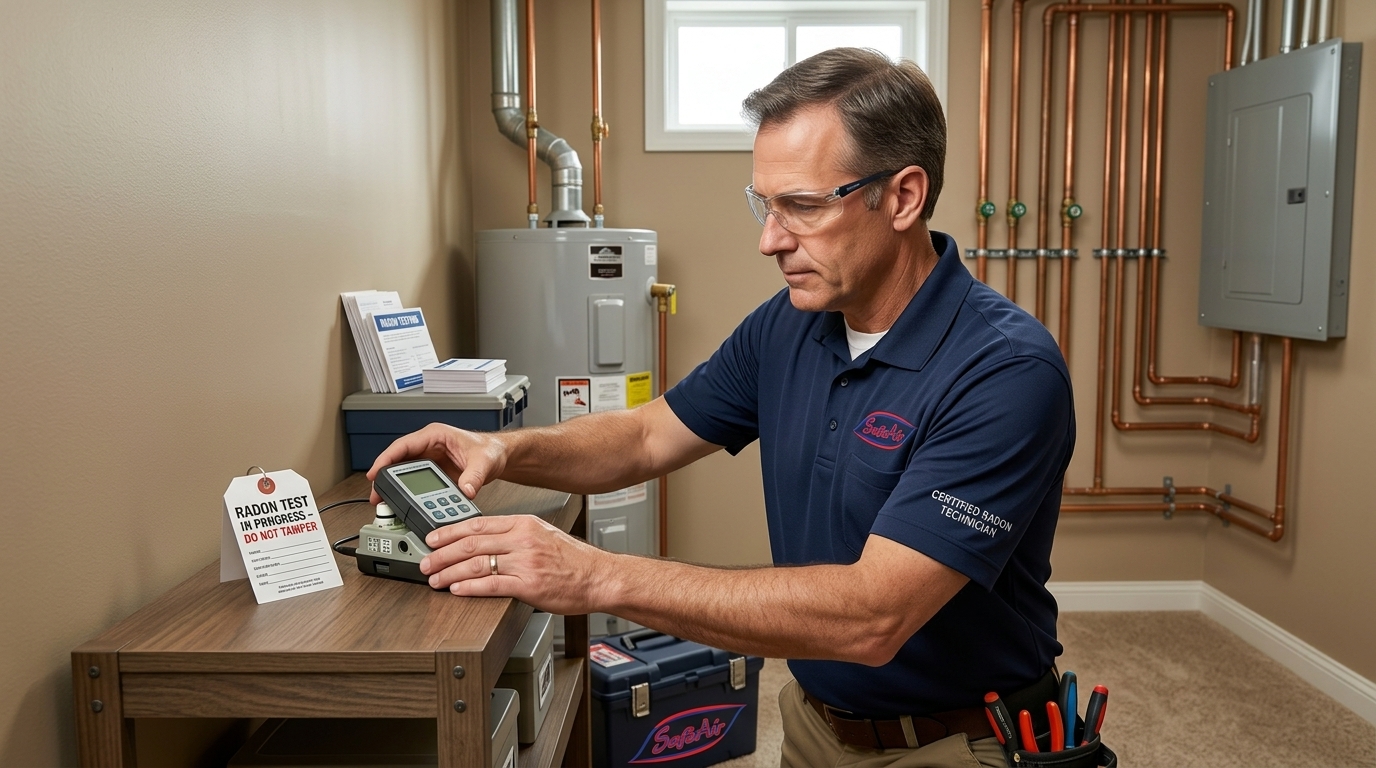
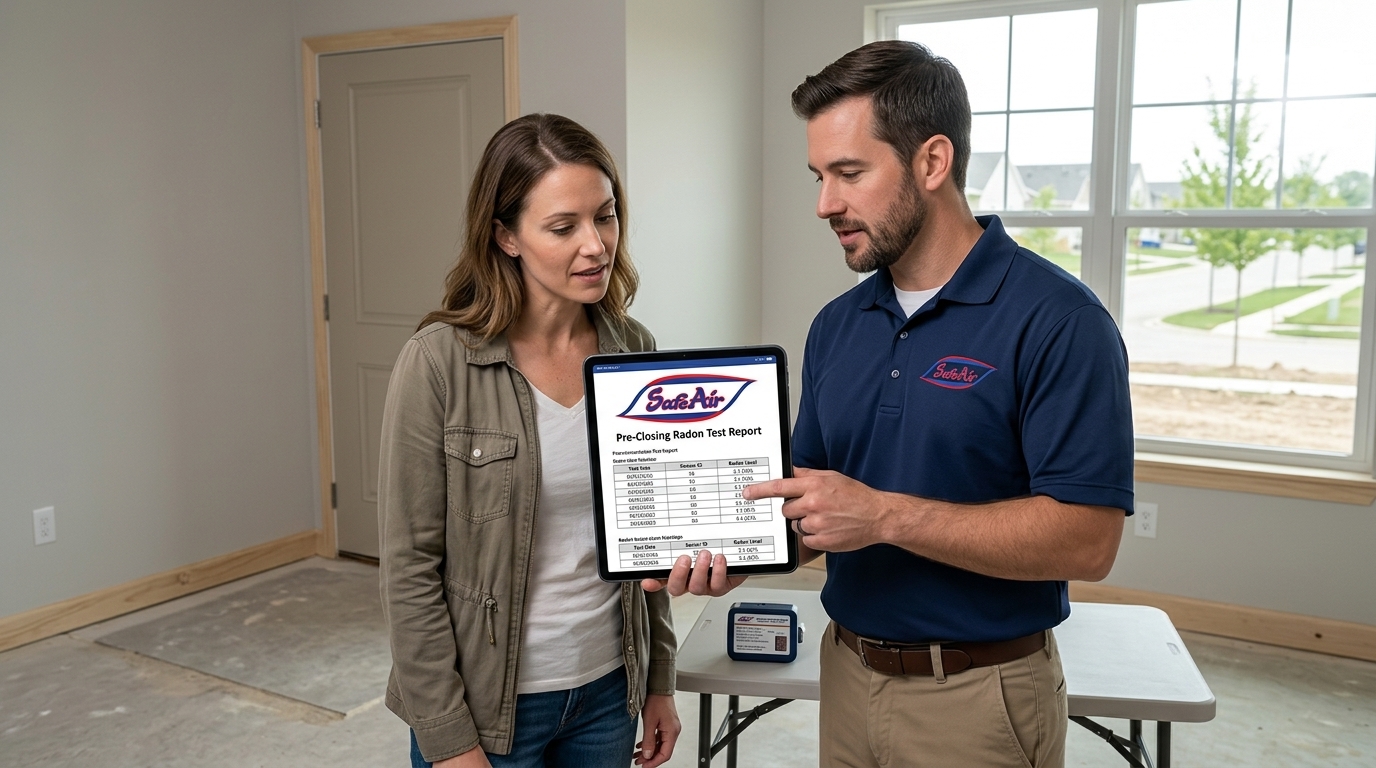
Certified professional tests are performed by an inspector with recognized credentials, such as ACAC CIEC or ACAC CMC. The inspector places the device, maintains chain of custody from placement through lab submission, and delivers a written report with the certified result in pCi/L. That report is accepted by real estate attorneys, lenders, mitigation contractors, and insurance companies.
When a DIY kit is appropriate: You live in the home, you have no immediate plans to sell, and you want a general read on radon levels for your own awareness.
When you need a certified test: Real estate transaction. Lender documentation. Mitigation contractor baseline. Insurance documentation. Any situation where another party needs to rely on the result.
SafeAir is an independent testing company. We test only. We do not sell or install mitigation systems. That independence means the result you receive from us carries no financial stake in the outcome.
Is Radon Testing Worth the Cost
The math is straightforward.
The EPA estimates approximately 21,000 radon-related lung cancer deaths occur in the United States each year. Radon is the number two cause of lung cancer in the US, after cigarette smoking. These are not projections. They are the EPA’s published figures based on decades of research. ( EPA Radon Health Risk )
A mitigation system, if one turns out to be needed, typically costs $800 to $2,500 depending on home configuration.
A certified test costs $150 to $300.
What the test buys is certainty. If the result comes back below 4.0 pCi/L, the EPA action level, you know. If it comes back above, you know and you can act. The test does not create a radon problem. It tells you whether one exists.
For homeowners in North Georgia and the Atlanta metro, where geology and home construction patterns put radon at higher-than-average risk, that certainty is worth more than the test costs. You can see which parts of Georgia carry elevated radon risk on our service areas page.
Frequently Asked Questions
How much does radon testing cost in Georgia?
The market range for a certified professional radon test in Georgia is typically $150 to $300. A DIY charcoal kit is $15 to $30 plus a $30 to $40 mail-in lab fee. For a real estate transaction, a certified test by a credentialed professional is required. A DIY kit will not satisfy most purchase contracts or lender requirements. SafeAir discusses pricing directly during scheduling.
Does homeowner’s insurance cover radon testing?
Most standard homeowner’s insurance policies do not cover the cost of radon testing. Some home warranty programs include radon testing as a covered service. Radon testing is generally treated as a property maintenance cost, similar to an HVAC inspection or a well water test. Check your specific policy or home warranty contract for details.
Is radon testing required when selling a home in Georgia?
Georgia does not have a state law requiring radon testing before a home sale. Buyers in North Georgia routinely request radon testing as a contract contingency, particularly in Cherokee, Forsyth, Hall, and Cobb counties where radon levels trend higher. A certified test on record protects both the buyer and the seller by establishing a documented baseline at the time of the transaction. Agents working in North Georgia and Marietta increasingly treat radon testing as a standard part of the inspection process.
Ready to Know Your Number
The cost of not knowing is the one expense that does not show up on a receipt.
Jeremy has tested hundreds of Georgia homes since 2009. He holds credentials from ACAC (CIEC and CMC) and IICRC. Results are delivered in approximately 48 to 72 hours. SafeAir serves the Atlanta metro, North Georgia, and surrounding communities. See the full service area list here.
If you are buying or selling a home, schedule now to stay on your inspection timeline. If you are testing your current home, there is no complicated process. Learn more about what the testing process looks like before you schedule if you want to know what to expect.
Schedule Your Inspection – No obligation. No upsell. Just a certified result.
Want to understand what radon inspection covers beyond the test device? See What Is a Radon Inspection for a breakdown of what a certified inspector does from arrival to written report.
Buying or selling? Read the Real Estate Radon Testing guide to understand what your contract likely requires and how to stay on closing timeline.
Jeremy Shelton | ACAC CIEC, ACAC CMC, IICRC Jeremy has performed radon testing across Georgia since 2009. SafeAir Radon Testing is an independent inspection company. We test. We do not sell or install mitigation systems.