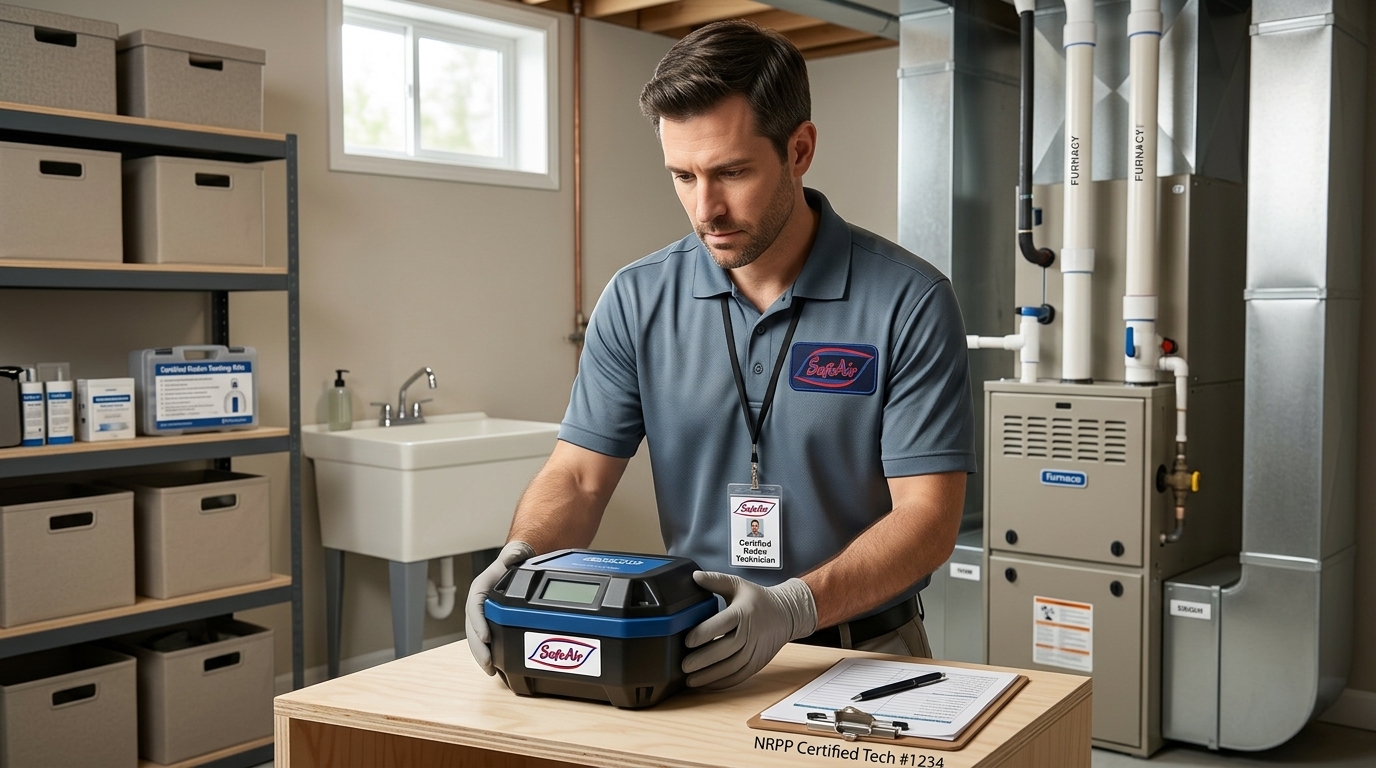
New construction means a clean slate. New plumbing, new wiring, new appliances. And, many buyers assume, no radon problem. That assumption is wrong. Radon does not come from building materials. It comes from the soil and rock beneath the foundation. A new slab sits on the same ground as an old one. In North Georgia’s Zone 1 counties, new construction needs a radon test as much as any other home.
Why Radon Doesn’t Care When a Home Was Built
Radon is a radioactive gas produced by the natural decay of uranium in soil and rock. It has no color, no odor, and no taste. The only way to detect it is to test for it.
Radon migrates upward through the ground and enters homes through concrete slabs, expansion joints between the slab and foundation walls, and openings around utility penetrations where pipes and wires pass through the foundation. All of these entry points exist in new construction. A concrete slab poured in 2024 has expansion joints. Utility penetrations are present from day one.
The soil and rock beneath a new subdivision in Cherokee County are the same Zone 1 geology as the soil beneath a home built there in 1985. The geology does not change because a new home was placed on top of it. New homes are sometimes built tighter than older homes, with better insulation and better air sealing. In some cases, that tighter envelope can actually concentrate radon rather than allow it to dilute through air leakage.
New construction is not immune to radon. Radon enters through concrete slabs, expansion joints, and utility penetrations that are present in all new homes. The soil and rock beneath the foundation, not the age of the home, determine radon risk. For more on how Georgia homes interact with radon at the structural level, see Radon in Georgia Homes.
What Radon-Resistant New Construction (RRNC) Actually Does
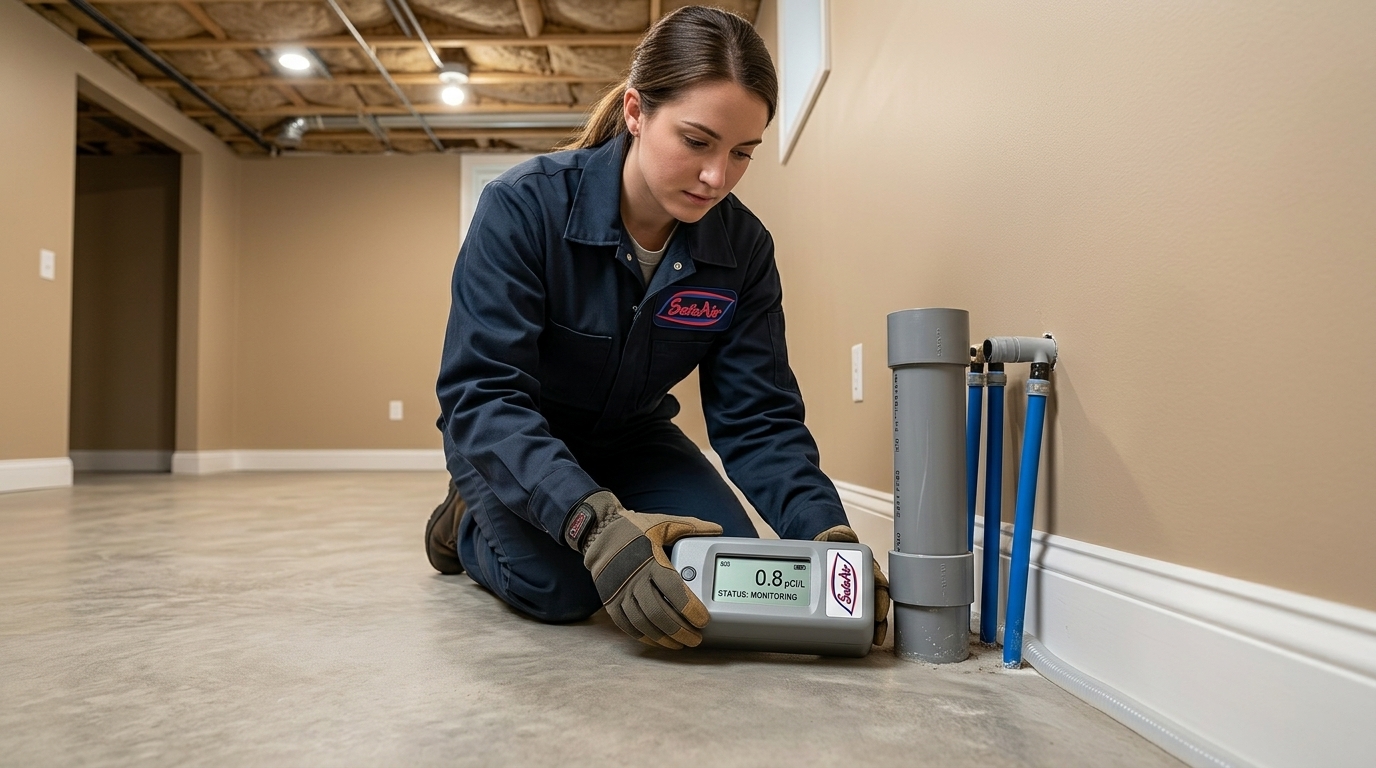
Many new homes in North Georgia are marketed with radon-resistant new construction features, or RRNC. This is one of the most misunderstood topics in new home transactions. RRNC is a set of features designed to reduce radon entry and make future mitigation less expensive if it is needed. It is not a guarantee of low radon levels, and it does not replace the need for testing.
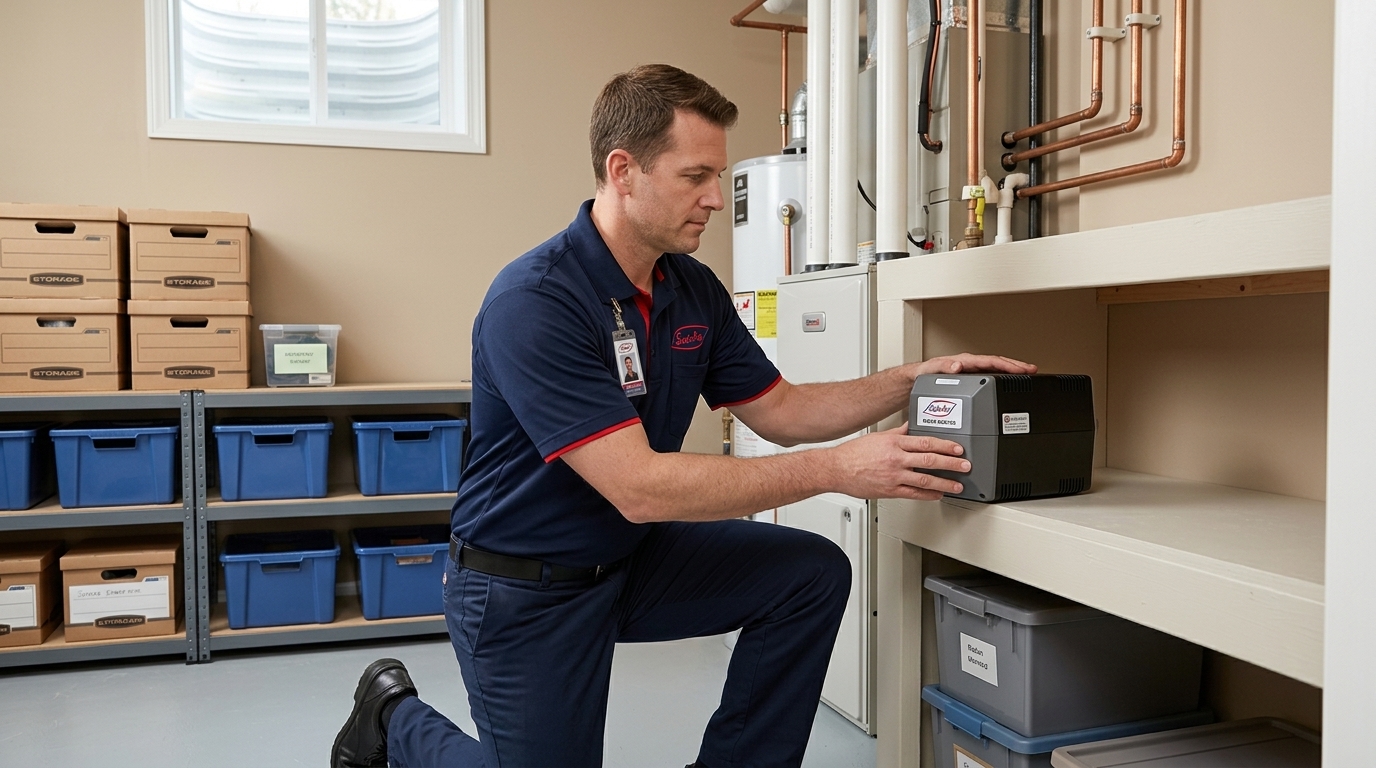
Standard RRNC features include a sub-slab gravel or aggregate layer that allows radon to flow beneath the slab rather than building up, polyethylene sheeting over the aggregate to block soil gas from entering through the slab, a PVC rough-in pipe installed through the slab for future fan attachment, gas-tight sealant around all slab penetrations, and a passive vent pipe running from the sub-slab area up through the roof.
What RRNC does is reduce radon entry through the slab and provide the infrastructure for active mitigation if testing shows it is needed. That infrastructure is valuable. Converting a passive RRNC system to an active sub-slab depressurization system is typically straightforward and less expensive than installing mitigation in a home without the rough-in.
What RRNC does not do is eliminate radon. A home with RRNC features can still test above 4.0 pCi/L. The EPA recommends testing all homes with RRNC features after construction to confirm the features are working. You can review the full EPA guidance on Radon-Resistant New Construction directly.
A home with RRNC features is easier to mitigate if needed. That is valuable. But easier to mitigate is not the same as already mitigated. It still needs a test.
When to Test a New Construction Home
Timing matters for new construction testing. There are three windows to consider, and the right one depends on where you are in the process.
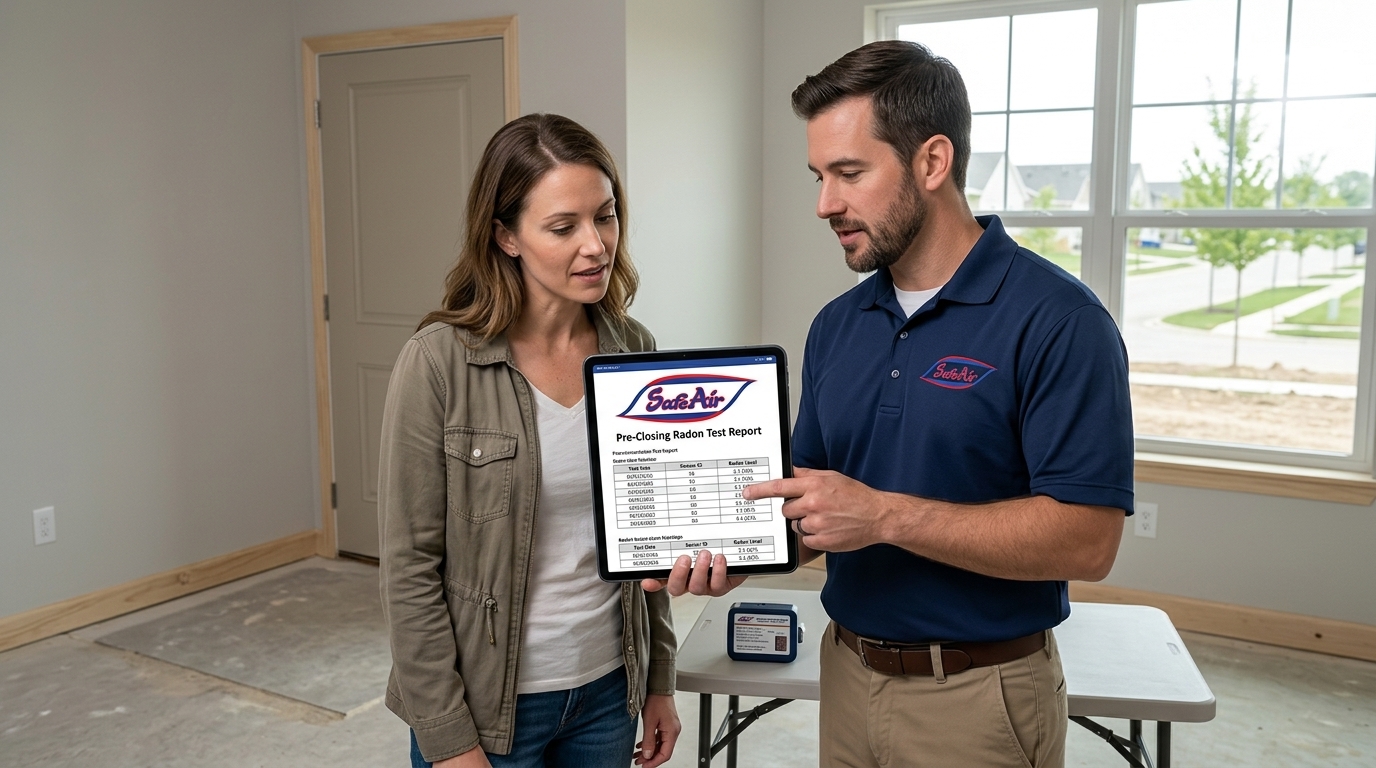
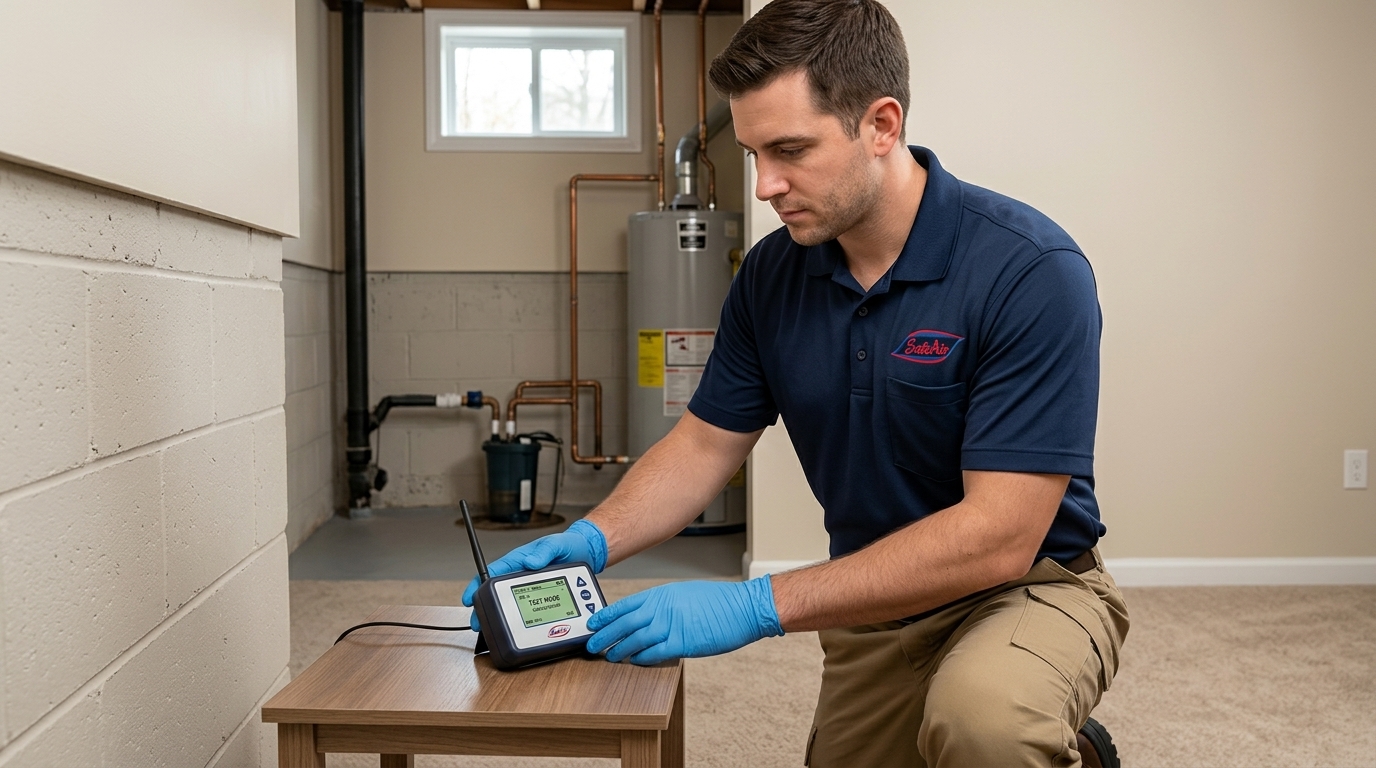
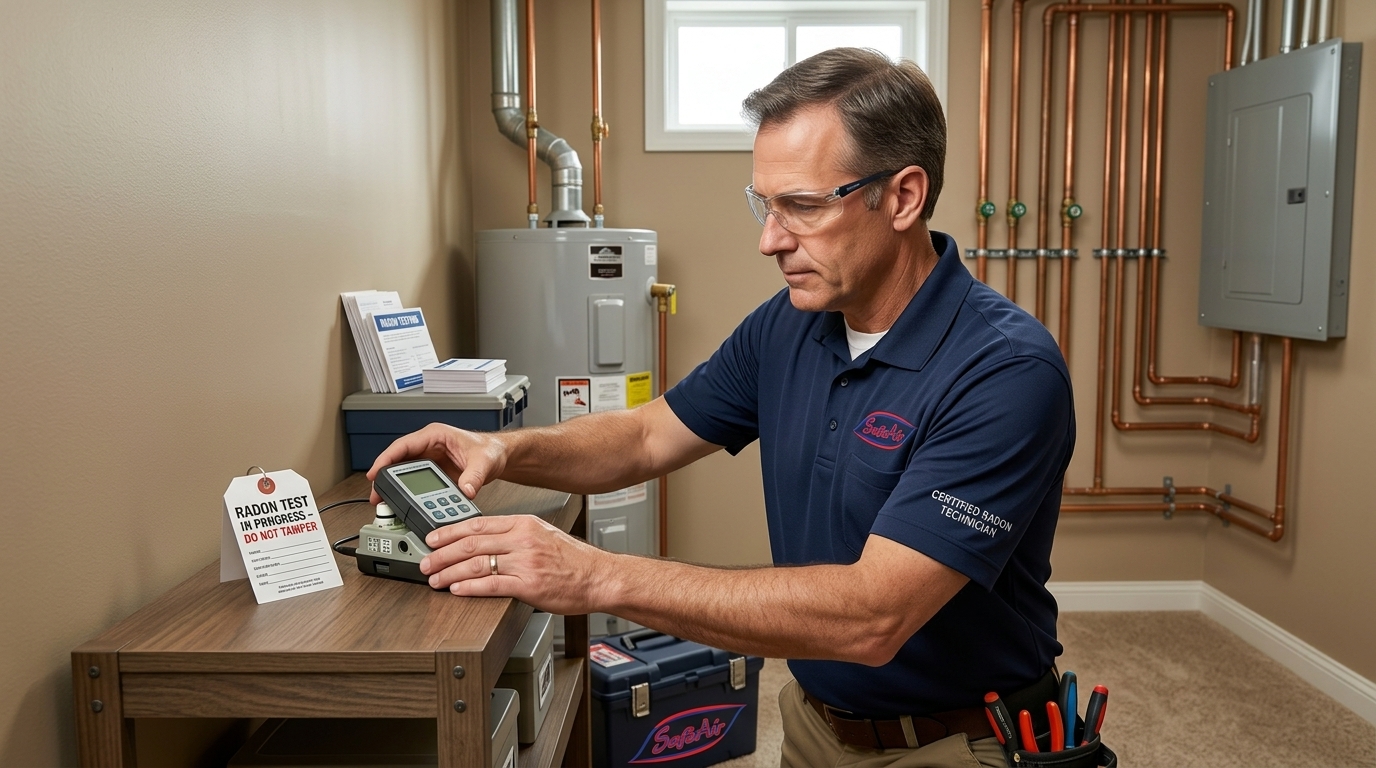
Before closing is the preferred approach for buyers. If the builder allows access during the inspection period, a pre-closing certified test is the most useful option. Results can be used in the transaction if the reading is elevated. This is the window where you have the most negotiation leverage, and it is the window most buyers miss because they assume new means safe. Learn more about the testing process and what to expect from the real estate radon testing guide.
At 12 months of occupancy is the next best option if a pre-closing test was not done. The first year of occupancy is the recommended window for establishing a baseline. By that point, the home has been lived in through at least one seasonal cycle, which produces a more representative result. HVAC and ventilation patterns have been established, and the building is behaving as it will over the long term.
A test placed immediately after closing, before the home has been occupied, can produce a less representative result because the HVAC and ventilation patterns that affect airflow have not yet stabilized. The exception is when an inspection contingency requires testing before closing. Pre-closing testing is still valid and valuable in that context, and it is the right call when the contingency window gives you access.
Which Georgia Counties Make This Most Important
Certain counties in North Georgia are where this issue is most consequential. Buyers closing on new construction in these areas should not skip the test.
Cherokee County covers Canton, Woodstock, and Acworth. It carries an EPA Zone 1 designation, and it is the fastest-growing county in northwest Georgia. New subdivisions are being built across the county on Zone 1 soil. See the full Cherokee County radon testing guide for county-specific detail. Bartow County covers Cartersville and carries a Zone 1 designation. Active new construction south of the mountains means recent builds on high-risk geology. Floyd County covers Rome and is Zone 1, with ongoing residential development. Paulding County covers Hiram and Dallas along the I-20 corridor. Paulding carries an elevated zone designation based on its geological connection to the Zone 1 formations to the north. Cobb County covers Marietta, Kennesaw, and Smyrna and also carries an elevated zone designation. Significant in-fill new construction has been built across Cobb in recent years. The Cobb County radon testing guide covers what buyers in that market should know.
In all five of these counties, a builder who tells you the home does not need radon testing because it is new is giving you outdated advice. The EPA recommends testing all new construction. In Zone 1 and elevated-zone counties, that recommendation is especially important. You can verify county designations on the EPA Radon Zone Map.

What to Do If New Construction Tests Elevated
A result above 4.0 pCi/L in a new home has two straightforward paths to resolution. Understanding what an elevated reading means and what comes next is covered in detail in the guide on high radon readings.
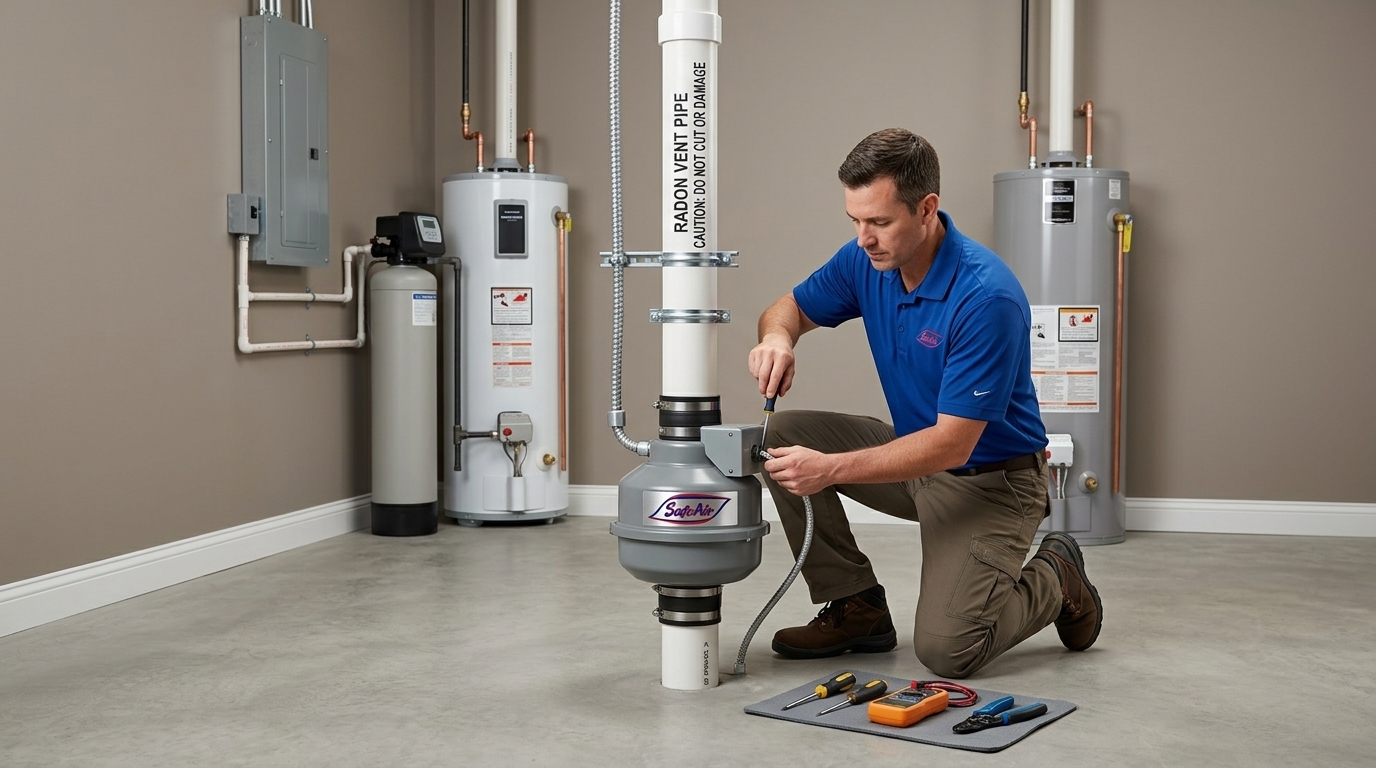
If the home has RRNC features, a licensed mitigator can attach a fan to the existing rough-in pipe. This converts the passive RRNC system to an active sub-slab depressurization system. It is typically less expensive than a full mitigation installation because the pipe infrastructure is already in place.
If the home does not have RRNC features, a mitigator installs sub-slab depressurization from scratch. Standard cost for a Georgia installation typically runs between $800 and $2,500 depending on the home’s configuration and foundation type.
In a transaction, if the new home tests elevated before closing, the buyer can request the builder activate the RRNC rough-in or install full mitigation as a condition of closing. Builders in Zone 1 counties who understand the local geology will typically address the issue rather than lose the sale. This is why testing during the inspection contingency window, not after closing, is the right approach.
Frequently Asked Questions
Do Georgia builders test new homes for radon?
Some do, many do not. Radon testing is not a requirement under current Georgia building code. Buyers should not assume a new home has been tested unless they have documentation showing a certified test was completed. Request a certified radon test as part of the new construction inspection process and verify that the test was placed and read by an independent certified inspector.
Does a new home warranty cover radon?
Standard new home warranties cover structural defects and systems. Radon is not typically covered under a builder warranty. A radon result above the EPA action level is a geological condition, not a construction defect. That means the builder is unlikely to be obligated to mitigate under most warranty terms. Buyers should address radon during the inspection contingency, not after closing. Review your specific warranty documents for the terms that apply to your home.
New Home. New Baseline. Schedule Your Test.
Whether you are closing on a new build or settling into a home you have owned for a year, a certified radon test establishes a baseline that protects you. A result below 4.0 pCi/L gives you documentation. A result above it gives you options while you still have leverage.
Schedule Your Inspection
Same-day scheduling. Results in 48-72 hours. No mitigation conflict.
Written by Jeremy Shelton | ACAC CIEC, ACAC CMC, IICRC