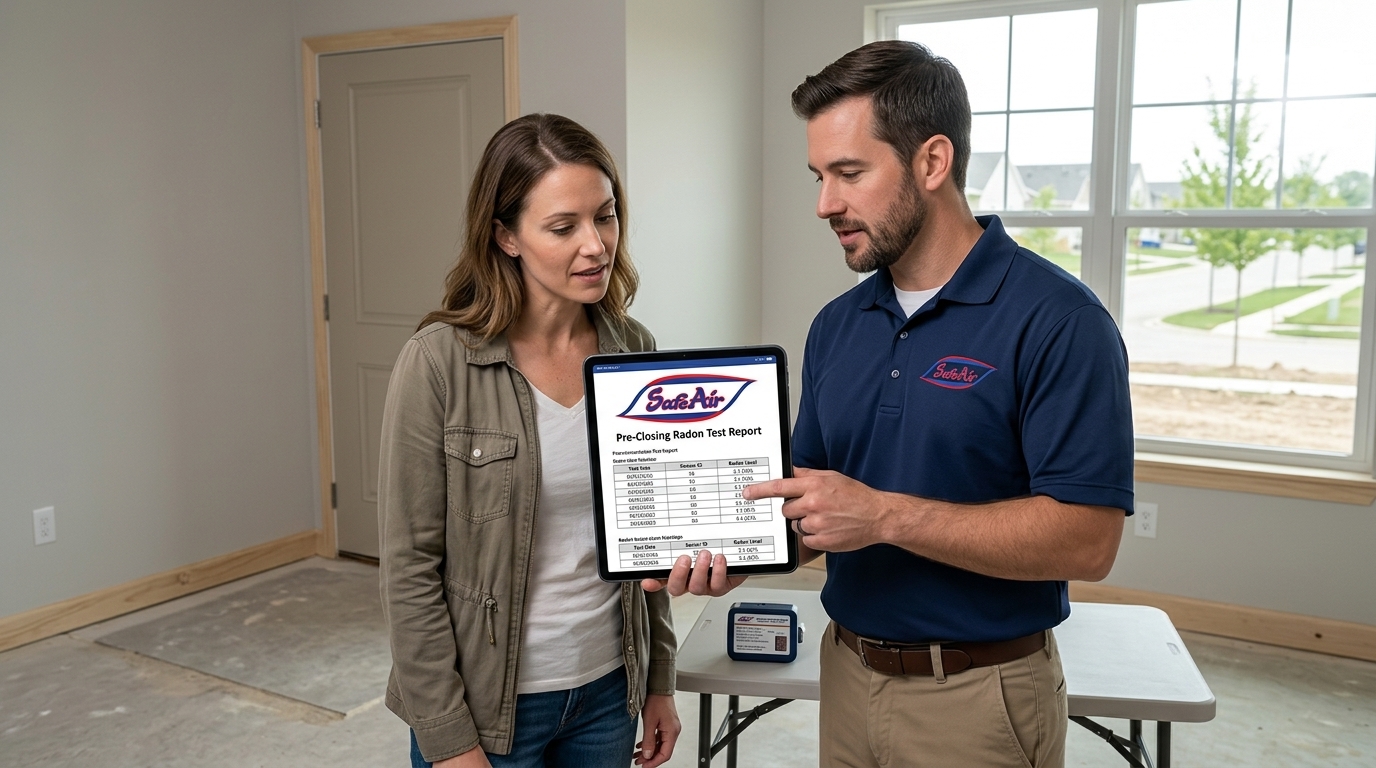
Your inspector flagged radon. Or your agent mentioned it. Either way, it’s on the contingency list and your window is closing. This post covers exactly when to order the test, how the process fits the typical Georgia inspection timeline, and what to do if the result comes back elevated. It’s more manageable than it sounds. Here’s the timeline.
First, Order the Test as Early in the Contingency Period as Possible
This is the most important action in the entire process. Most Georgia residential contracts allow a 10-to-14-day inspection contingency period. A 48-hour radon test plus approximately 48 hours of lab analysis equals 4-to-5 days from scheduling to certified result.
That fits comfortably inside a 10-day window. But only if you order on day 1 or day 2.
Radon testing is not something to add to the list on day 8 of a 10-day contingency. Schedule it the same day you schedule the home inspection. SafeAir offers same-day scheduling across most of the metro Atlanta and North Georgia service area. Coordinate with the listing agent for property access before you call.
The earlier you order, the more time you have to work with the result.
For more on how radon testing fits the overall home purchase process, the EPA Home Buyers and Sellers Guide to Radon is a straightforward starting point.
The Day-by-Day Timeline
Here is a concrete schedule.
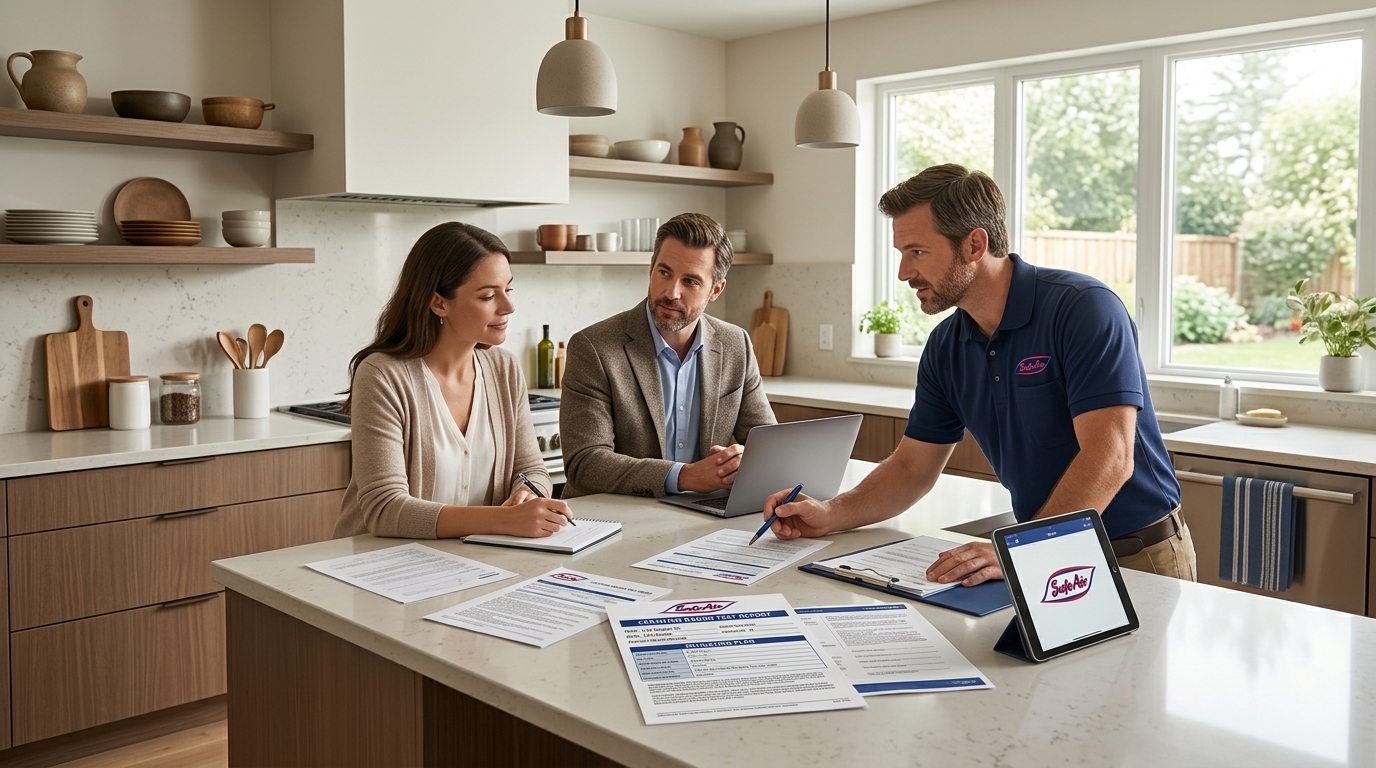
Day 1, Under contract. Notify SafeAir and schedule radon test device placement. If possible, schedule it at the same time as the home inspection or earlier. Contact the listing agent to coordinate access and confirm that closed-house conditions can be established before the test begins.
Days 1-2, Closed-house conditions begin. The property needs to be in closed-house conditions for at least 12 hours before the device is placed. Closed-house conditions mean windows and exterior doors remain shut, with the HVAC system operating normally. The listing agent or seller is responsible for ensuring this is in place. Confirm it before device placement is scheduled.
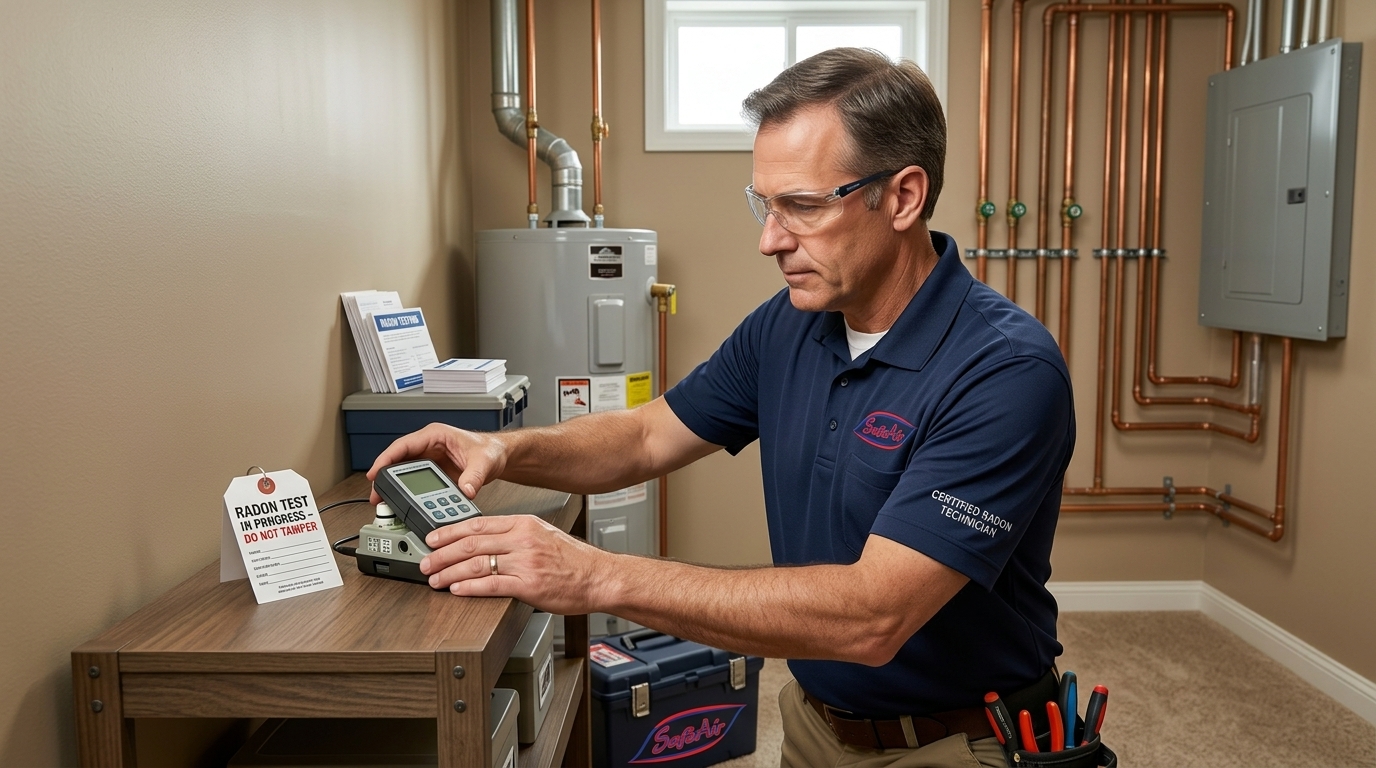
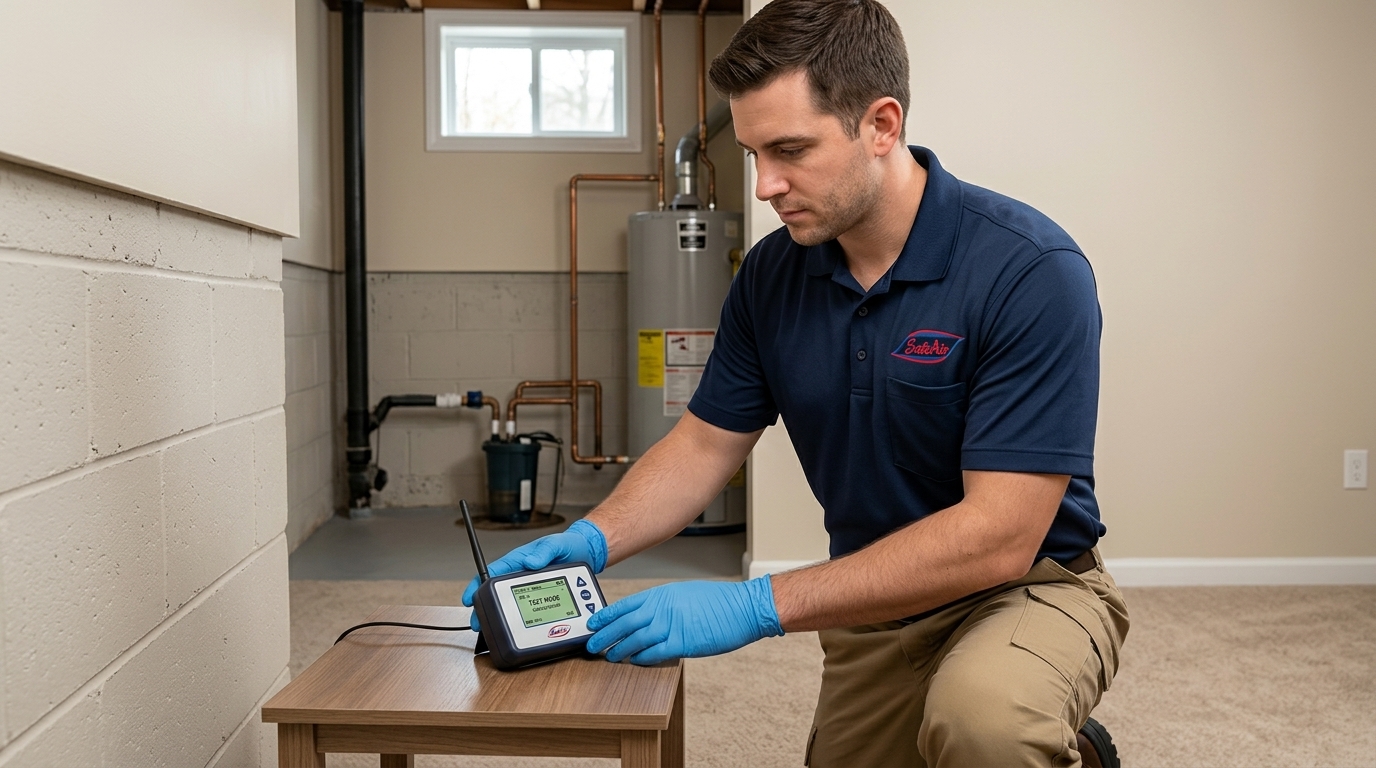
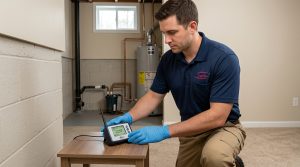
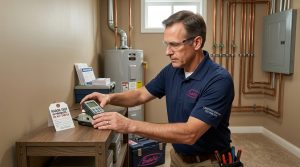
Day 2, Device placement. SafeAir places the radon test device at the lowest livable level of the home. Placement takes approximately 30-45 minutes. The 48-hour clock starts when the device is in position. Normal household activity can continue during the test period.
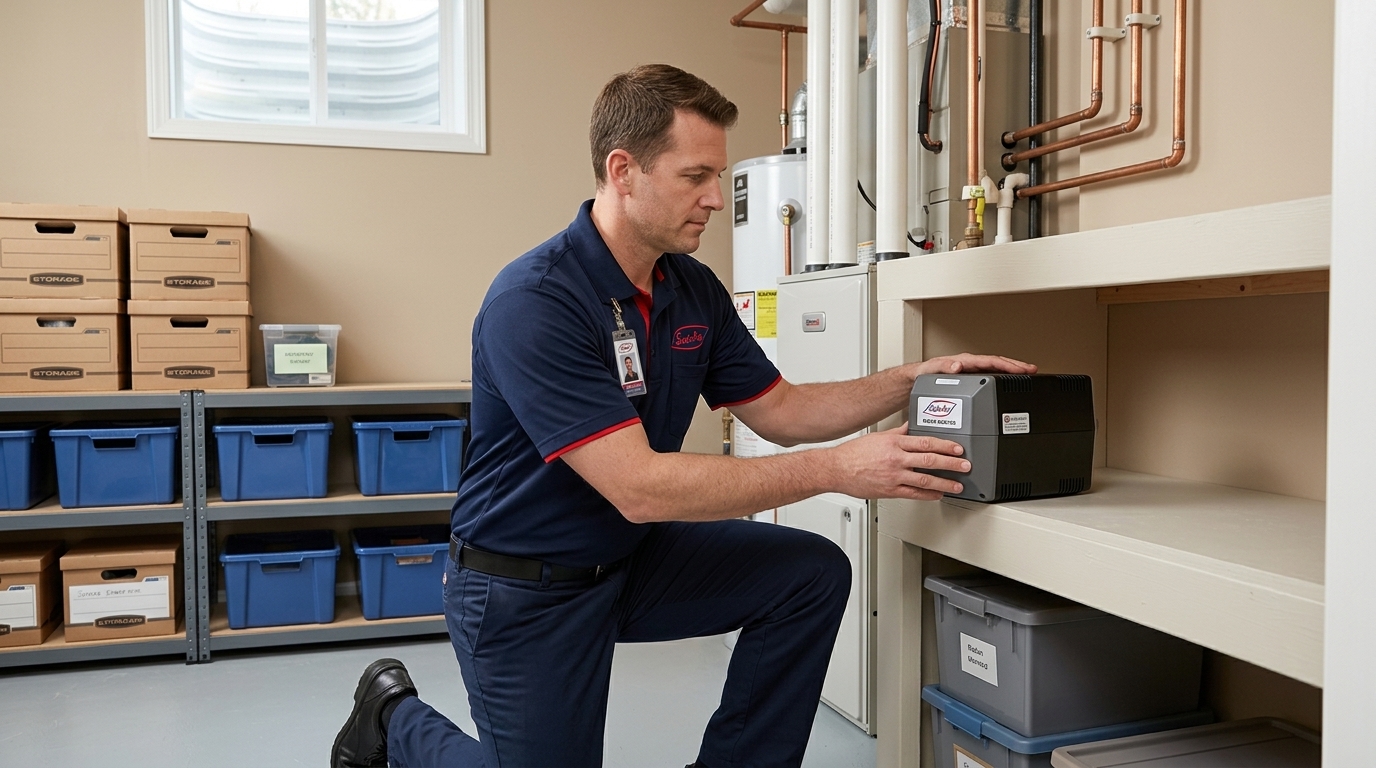
Day 4, Device retrieval. SafeAir returns to retrieve the device. It goes directly to the accredited lab for analysis.
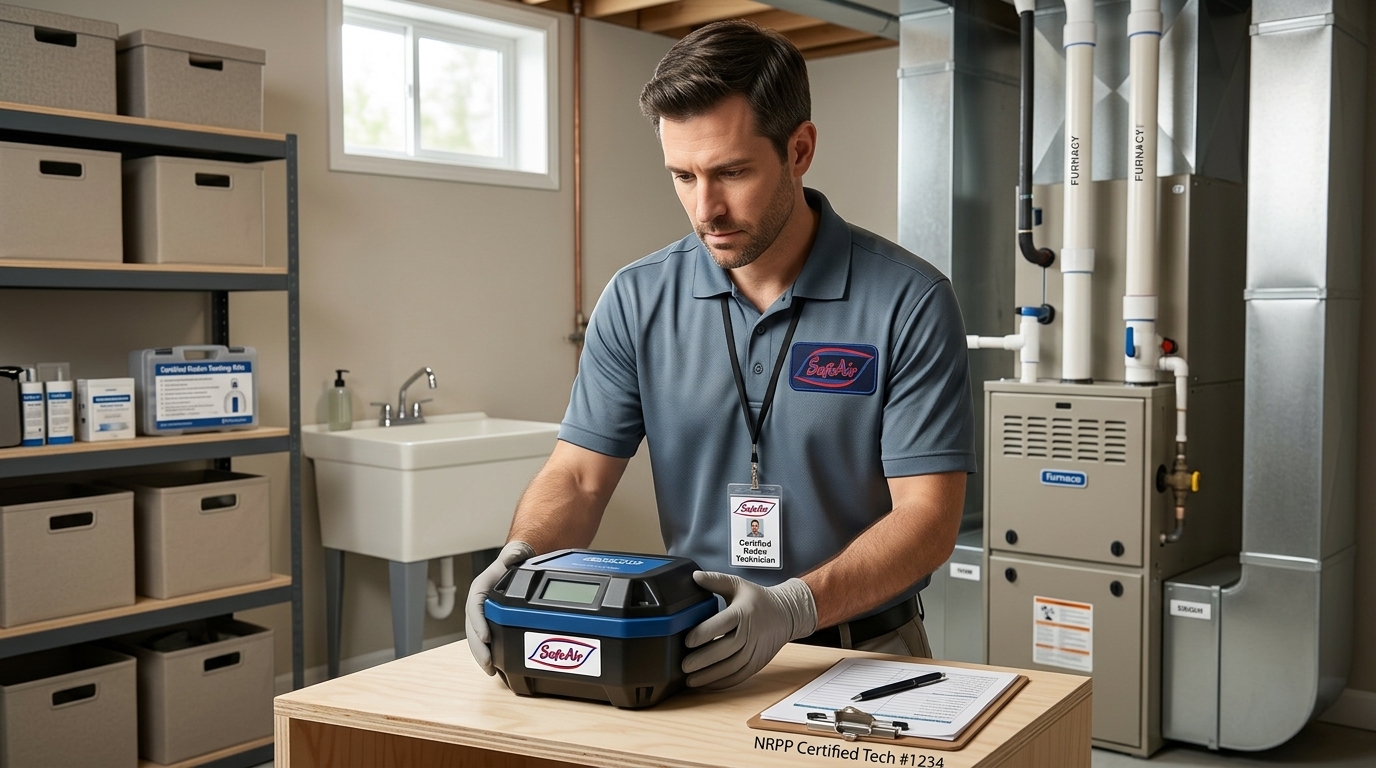
Days 5-6, Certified result delivered. Lab analysis is complete. SafeAir delivers the certified written result. You now have a number, and you have enough time left in the contingency window to act on it.
Days 7-10, Contingency action. If the result is below 4.0 pCi/L: no radon-related action is required. The contingency closes normally. If the result is at or above 4.0 pCi/L: request a seller credit or seller-completed mitigation. The negotiation happens here, before the contingency closes.
This timeline works on a standard 10-day contingency. On a 14-day contingency, you have additional flexibility. Either way, the sequence does not change: order first, negotiate later.
If the Test Comes Back Below 4.0 pCi/L
This is the most common outcome. If the result is below 4.0 pCi/L (the EPA action level), no radon-related action is required. The contingency closes normally and the transaction continues on its current schedule.
Keep the certified report. Include it with your home documents. If you sell the property in the future, a documented test result is a useful data point for the next buyer. The EPA recommends retesting every two years, so set a calendar reminder now.
You tested. The number is below the action level. You know. That’s the whole point. For more context on what the numbers mean, see Radon Levels: What the Numbers Actually Mean.
If the Test Comes Back At or Above 4.0 pCi/L
A result at or above 4.0 pCi/L means the EPA recommends mitigation. It does not mean the deal is dead.
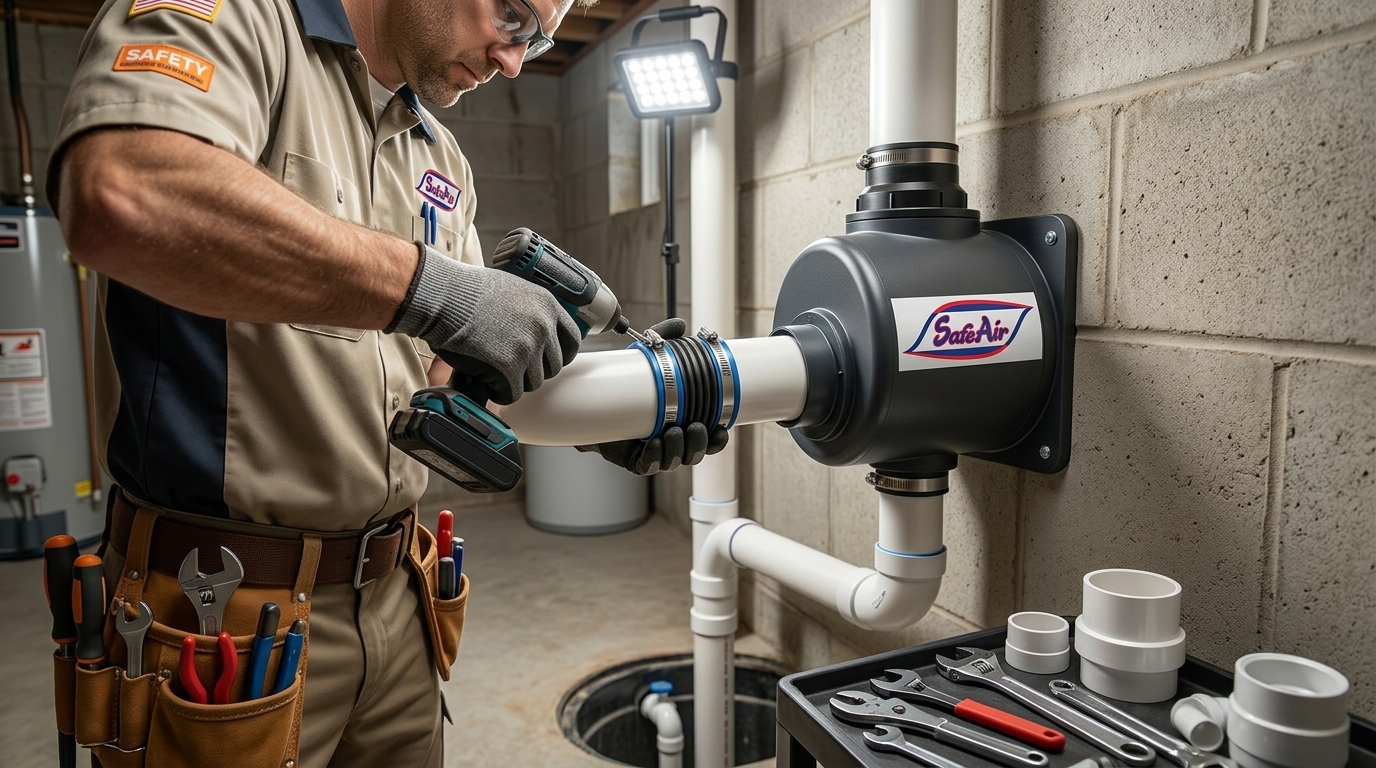
Mitigation is a known, manageable cost. In Georgia, a residential radon mitigation system typically runs between $800 and $2,500 depending on the home’s construction and the complexity of the installation. That cost range is your negotiating baseline.
You have three options:
Option 1, Request a seller credit equal to the estimated mitigation cost. You close on the current schedule. You arrange and pay for mitigation after closing. This is the most common path when both parties want to move quickly.
Option 2, Request seller-completed mitigation before closing. The seller arranges and pays for the mitigation. If they agree, you arrive at closing with a system already installed. If this route is taken, request an independent post-mitigation verification test before closing. The mitigator’s own confirmation is not sufficient. An independent test from SafeAir confirms the system is working before you take ownership.
Option 3, Accept the home as-is and mitigate after purchase. Less common, but sometimes the right call when a seller credit negotiation adds more friction than the mitigation itself is worth.
An elevated radon result with a certified report gives you documented leverage at the table. You now have a known problem with a known fix and a known cost range. That’s a better position than not knowing.
For more on what to expect from the real estate testing process overall, see Real Estate Radon Testing in Georgia and the Real Estate Agent Guide to Radon in Georgia.
What If Your Contingency Window Is Already Almost Closed?
If fewer than 5 days remain in the contingency period, contact SafeAir immediately. Same-day scheduling and weekend availability give the most flexibility. Assess together whether the test can be completed and results delivered within the time remaining.
If the window genuinely cannot accommodate a 48-hour test, ask your agent about a contingency extension. Both buyer and seller must agree, but it is a common and straightforward addendum in Georgia contracts. Most sellers and their agents understand that a short extension is far simpler than a deal falling apart over something preventable.
It’s better to ask for a 3-day extension than to skip the test on a home in a Zone 1 county. To check where your property falls, the Canton, GA service area page covers Cherokee County, one of Georgia’s higher-risk counties.

Frequently Asked Questions
Does the home have to be empty during the radon test?
No. Normal household activity can continue during the 48-hour test period. Closed-house conditions mean keeping windows and exterior doors shut, not vacating the property. Occupants can move through the home normally. The requirement is that the building envelope stays closed throughout the test.
Can the home inspection and radon test happen at the same time?
Yes. The radon test device can be placed at the same time as the home inspection. The home inspector and radon inspector can be on site simultaneously without interfering with each other’s work. The radon device stays in place for 48 hours after the inspection visit while the buyer reviews the home inspection report. Scheduling them together on day 1 or 2 is the most efficient approach.
Who pays for the radon test, buyer or seller?
In most Georgia transactions, the buyer pays for the radon test as part of their inspection due diligence. Some sellers pre-test before listing to provide documentation to prospective buyers. If the seller agrees to mitigate as part of a negotiation, the buyer should arrange and pay for an independent post-mitigation verification test. That test is separate from the mitigation contractor’s own confirmation and is the buyer’s responsibility to request.
Don’t Let the Contingency Window Close Without a Test.
SafeAir offers same-day scheduling across metro Atlanta and North Georgia. Device placed today. Certified results in 48-72 hours.
Schedule Your Inspection
No obligation. No mitigation sales pitch. Just the certified result your transaction needs.
Written by Jeremy Shelton | ACAC CIEC, ACAC CMC, IICRC