
“Radon Test” vs. “Radon Inspection”
In most contexts, these two terms refer to the same thing. Both mean: a device is placed inside the home, it measures the radon concentration in the air over a set period, and the result is reported in picocuries per liter (pCi/L).
The distinction that actually matters is not what you call it. It is who places the device and whether the result is certified.
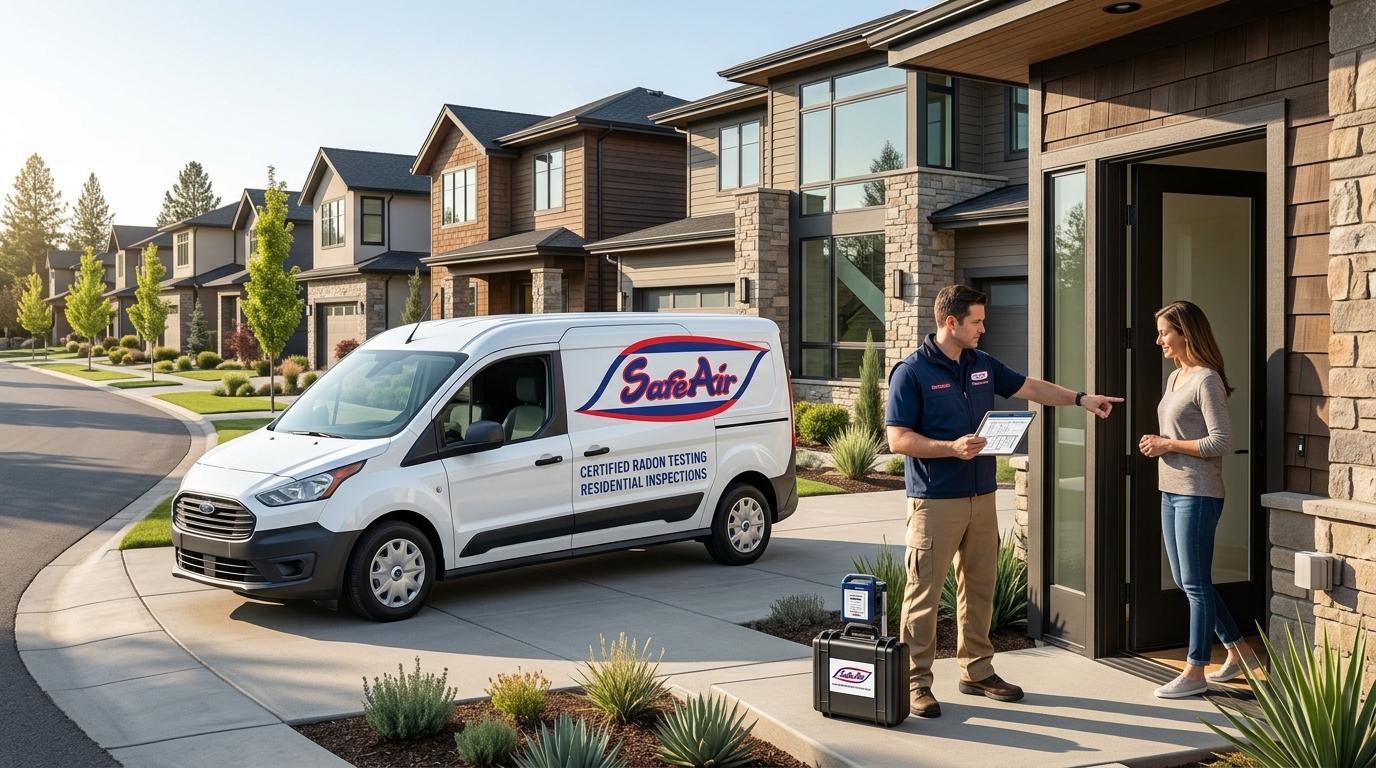
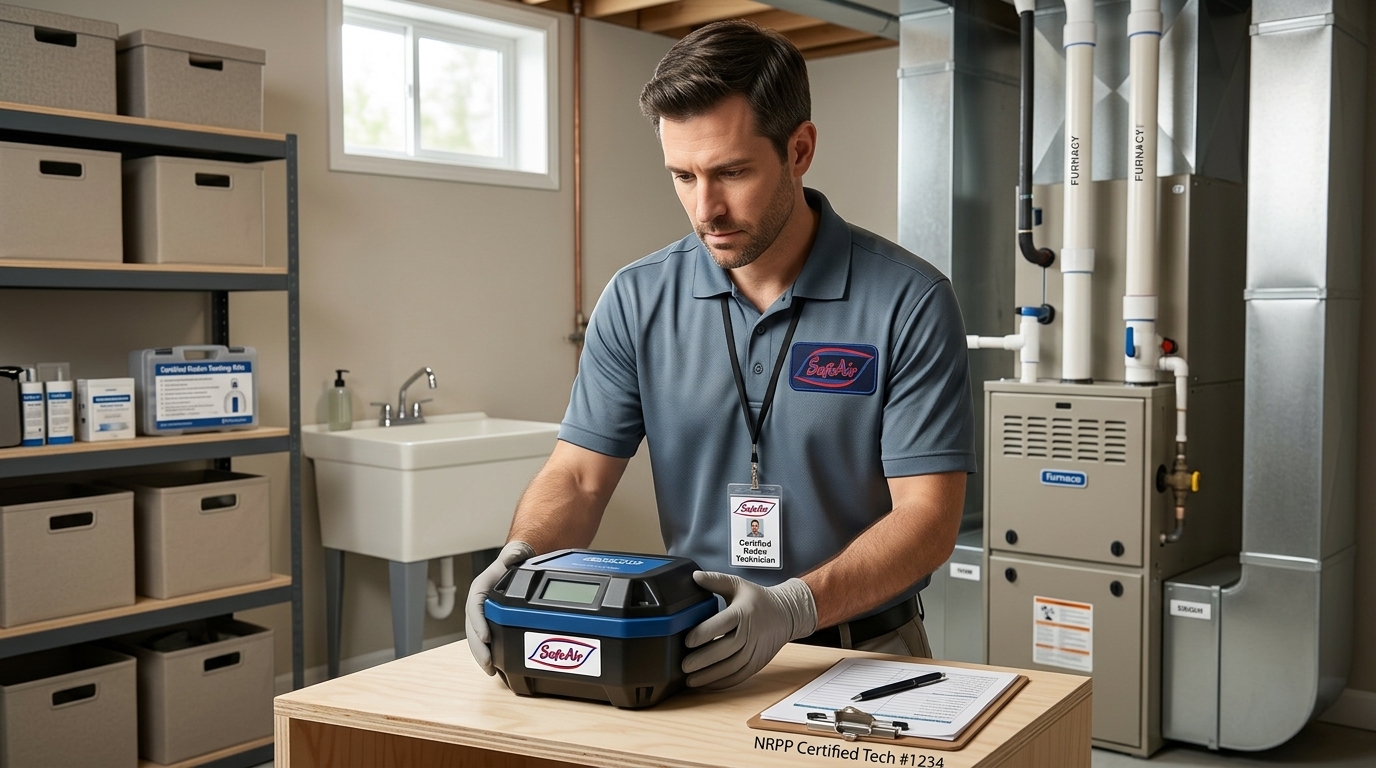
“Radon test” often refers to any measurement, including DIY kits the homeowner places and mails in themselves. “Radon inspection” more commonly implies a professional service: a certified inspector places and retrieves the device, maintains chain of custody, and delivers a certified written result.
When a real estate agent or home inspector says “you need a radon inspection,” they mean a certified professional test. A DIY kit from the hardware store does not meet that requirement.
A radon inspection and a radon test generally refer to the same thing: measuring the radon concentration in a home’s air over a set period. The key distinction is whether the test is performed by a certified professional. A professional radon inspection maintains chain of custody and produces a certified result accepted for real estate transactions and mitigation contractor use.
What a Professional Radon Inspection Actually Involves
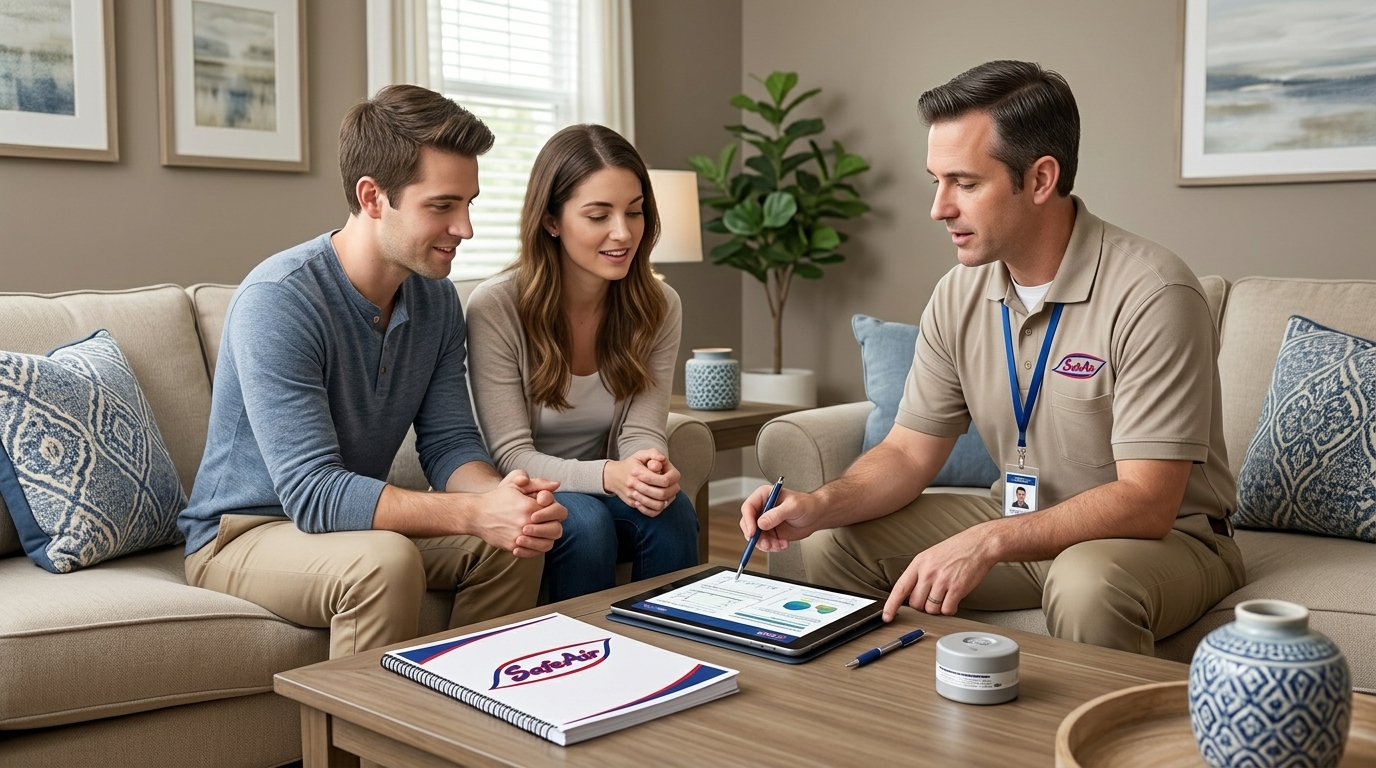
A certified radon inspection follows a consistent process from scheduling through final report. Here is what each step looks like.
- Scheduling. The inspector coordinates access with the homeowner or listing agent. For real estate transactions, timing matters: the test must be completed within the inspection window specified in the contract.
- Closed-house conditions. The property must be in closed conditions for at least 12 hours before device placement. Windows and exterior doors stay closed, and the HVAC runs at normal operation. This is a requirement, not a suggestion. Results taken outside closed-house conditions are not valid for real estate or mitigation use.
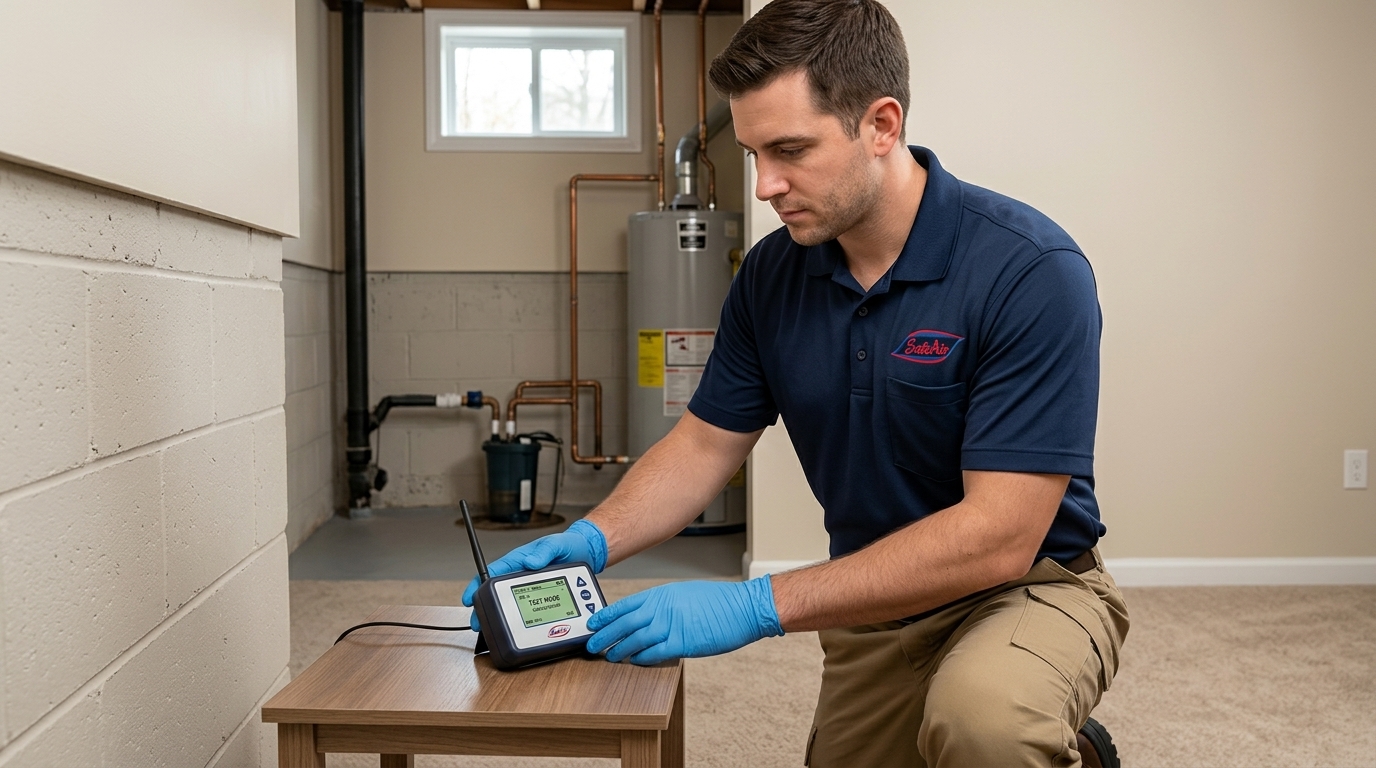
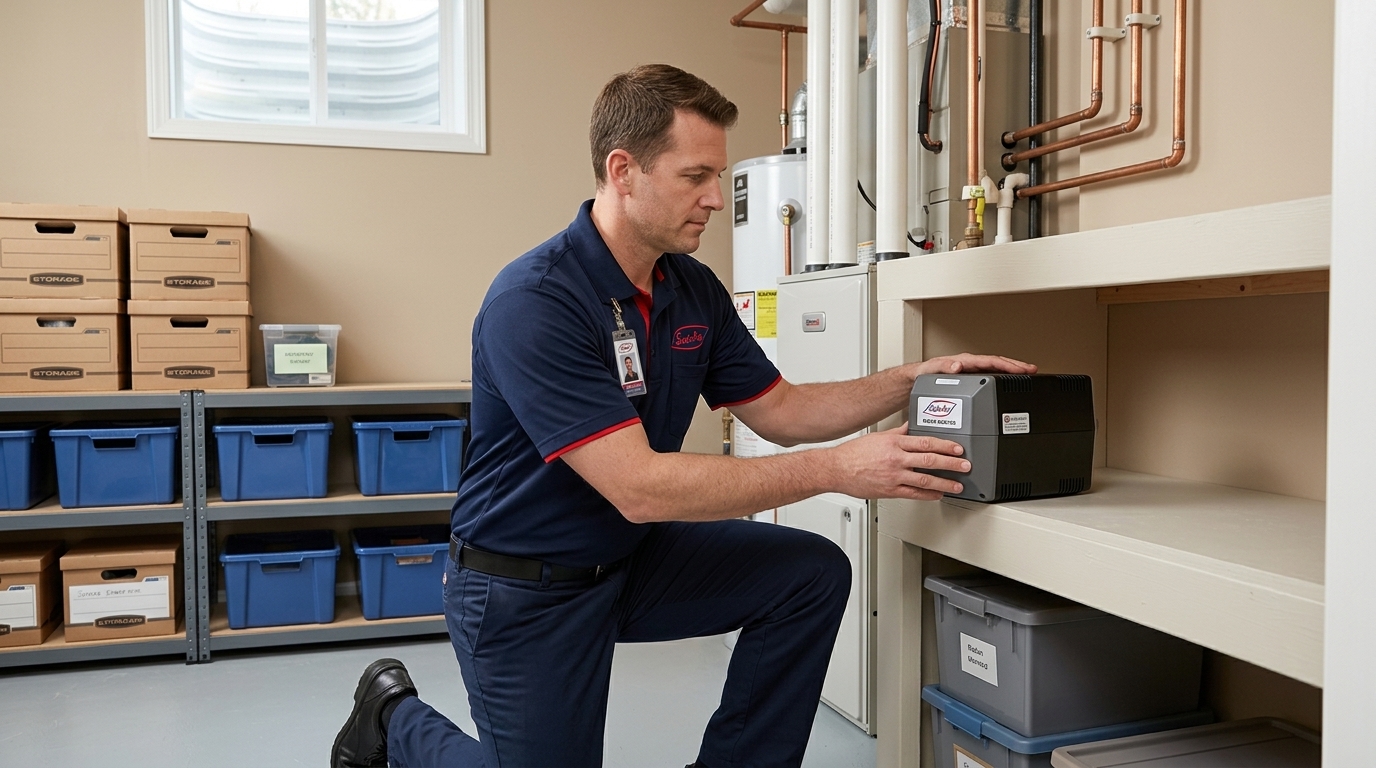
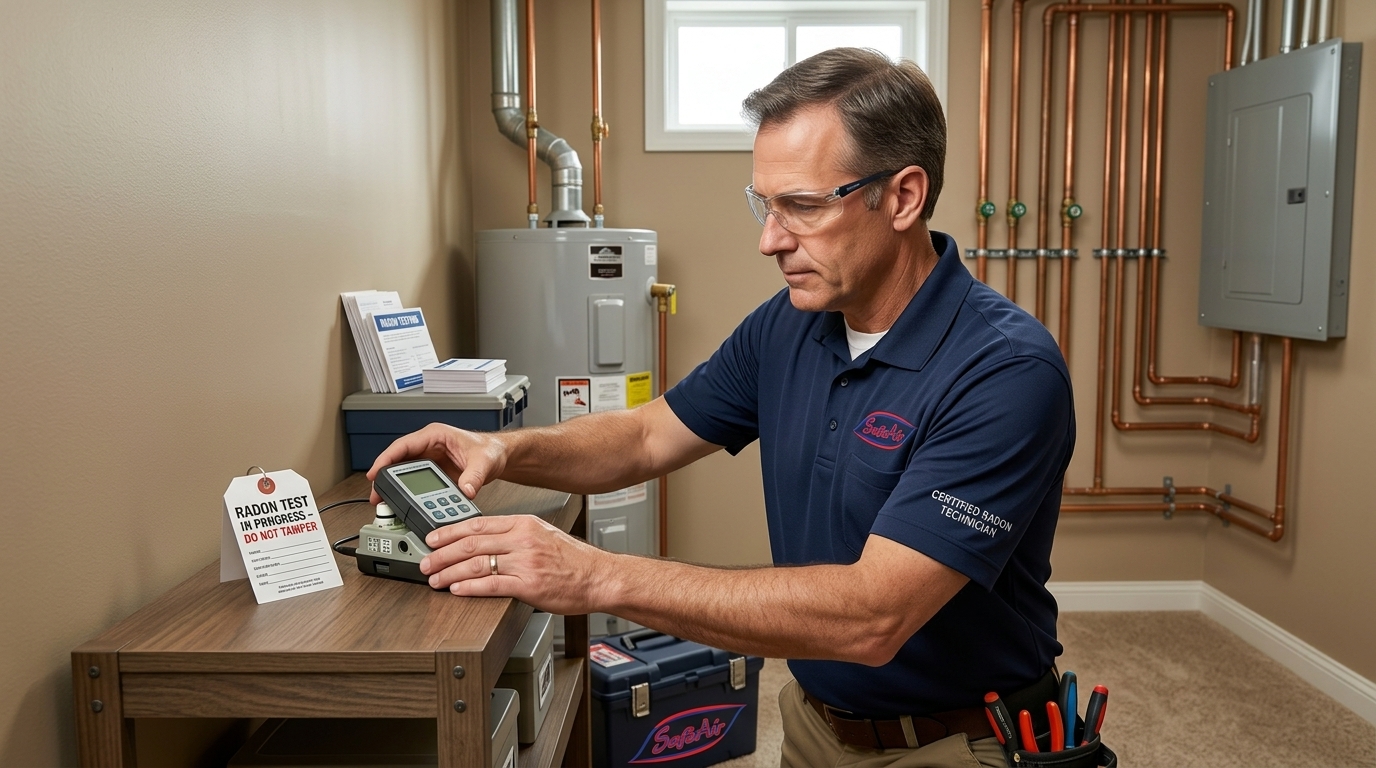
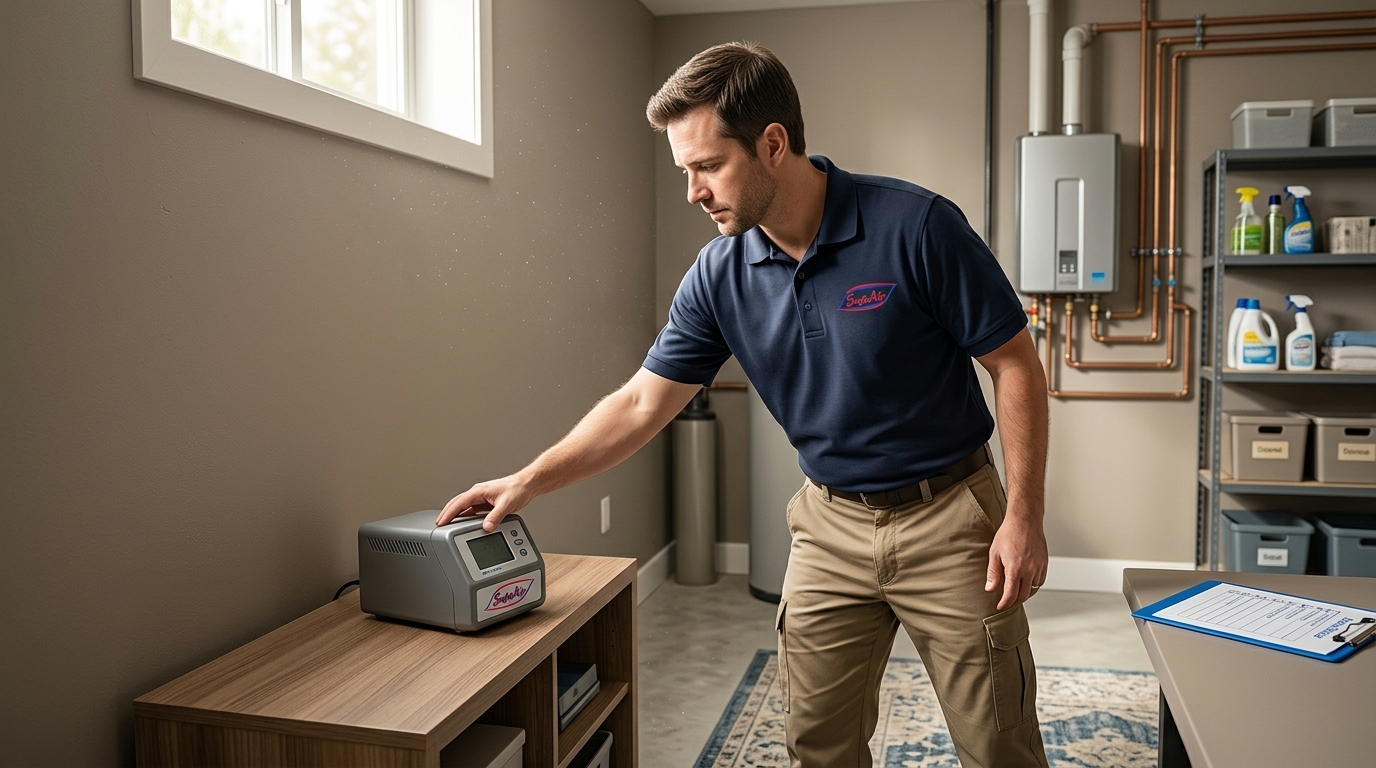
- Device placement. The inspector places the measurement device at the lowest livable level of the home. Common device types include charcoal canisters, electret ion chambers, and continuous electronic monitors. All are EPA-approved methods when handled by a certified professional.
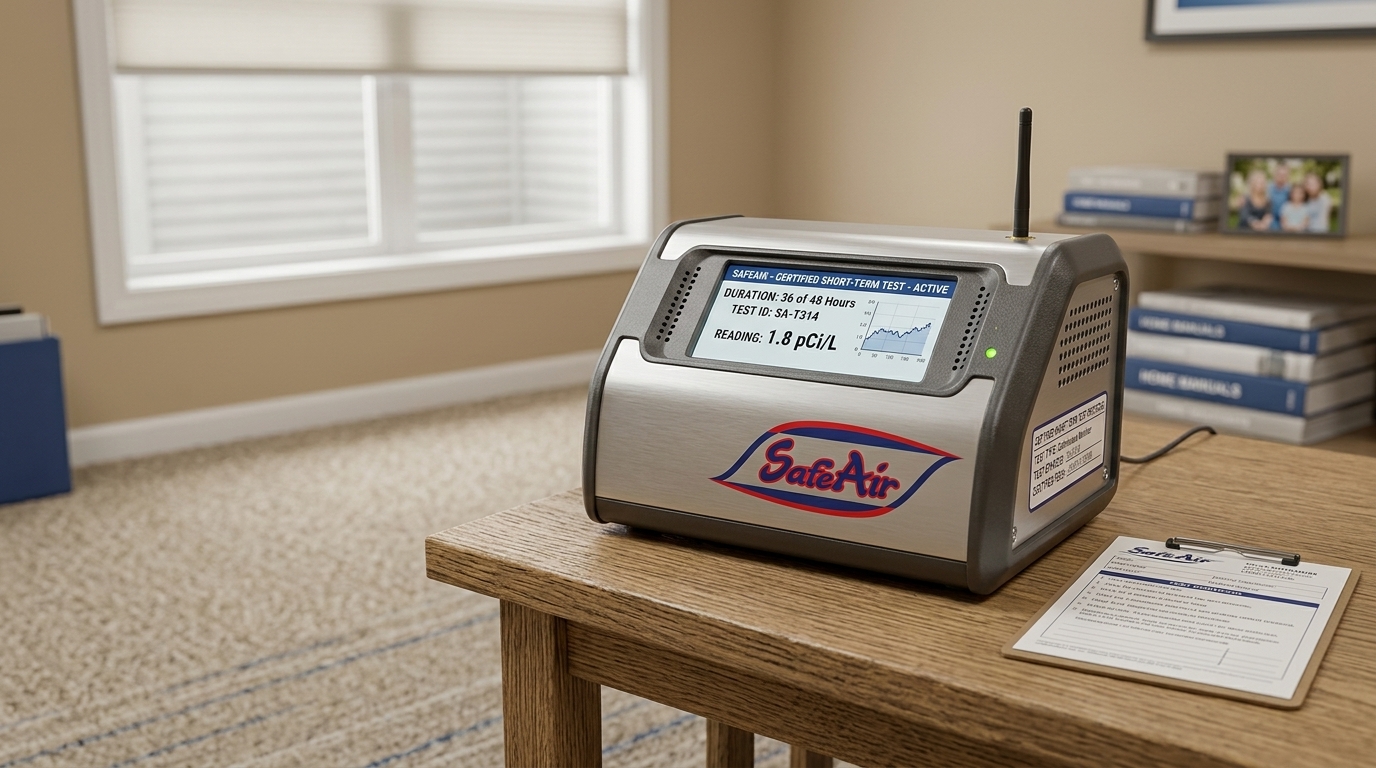
- Test period. A standard short-term test runs 48 to 96 hours. This is the standard timeframe for real estate transactions and initial screening. Learn more about how to test for radon in your home.
- Device retrieval. The inspector returns at the end of the test period and retrieves the device. Chain of custody is documented throughout.
- Lab analysis. The device is sent to an accredited laboratory for analysis. Results are not self-reported by the inspector.
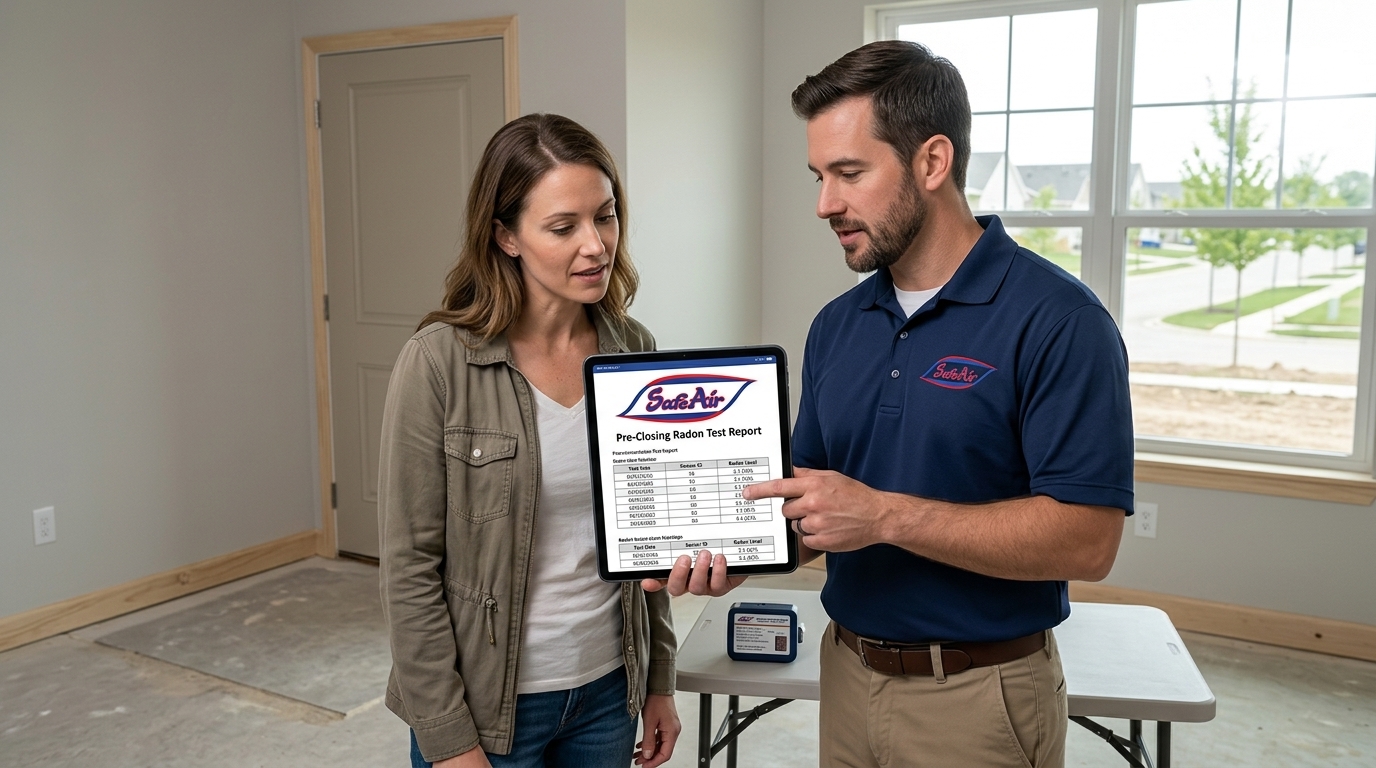
- Certified result. The inspector delivers a written report showing the radon concentration in pCi/L. This report is accepted for real estate transactions, mitigation contractor use, and insurance documentation.
The difference between a DIY kit and a professional inspection is not the device. It is who places it, how it is handled, and whether the chain of custody from placement to lab is documented.
When You Need a Certified Radon Inspection
Some situations require a certified professional test. Others do not. Knowing which category you are in prevents delays and rejected results.
You need a certified professional inspection when:
- You are buying or selling a home. Most purchase contracts and many lenders require a certified test, not a DIY result.
- You are establishing a pre-mitigation baseline. Mitigation contractors require a certified result before they begin work.
- You need post-mitigation verification. An independent certified test confirms the mitigation system is performing as intended.
- You need documentation for insurance purposes.
- Any other party at the transaction table needs to use the result.
For real estate radon testing, SafeAir delivers reports within 48 to 72 hours and coordinates directly with listing agents and buyers’ agents.
A DIY test is sufficient when:
- You want a general read for your own awareness.
- You have no immediate plans to sell.
- No one else needs to rely on the result.
If you are the only person who needs to see it, a DIY kit works. If anyone else at any table needs to use it, you need a certified professional test.